Concrete Cutters
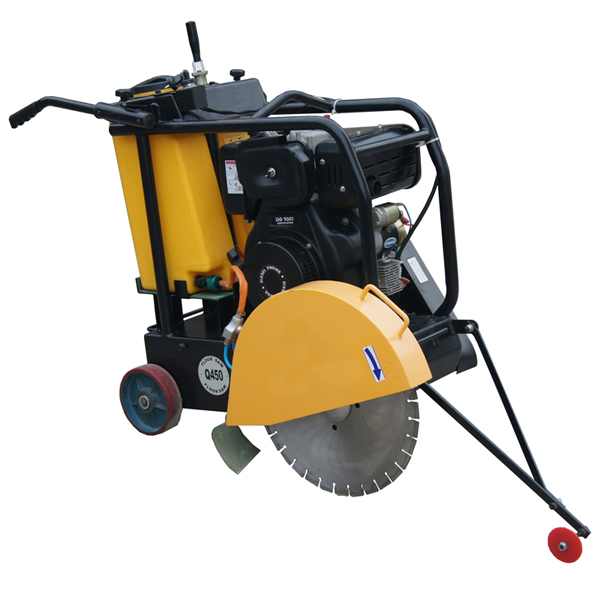
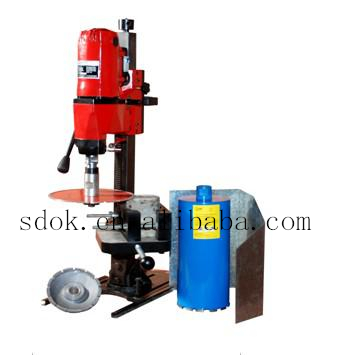
Source commercial-grade concrete cutters directly from vetted manufacturers and wholesale suppliers. Built for high-volume importers, equipment distributors, and brands requiring reliable OEM production, our network delivers robust machinery engineered for precision cutting and heavy-duty construction applications.
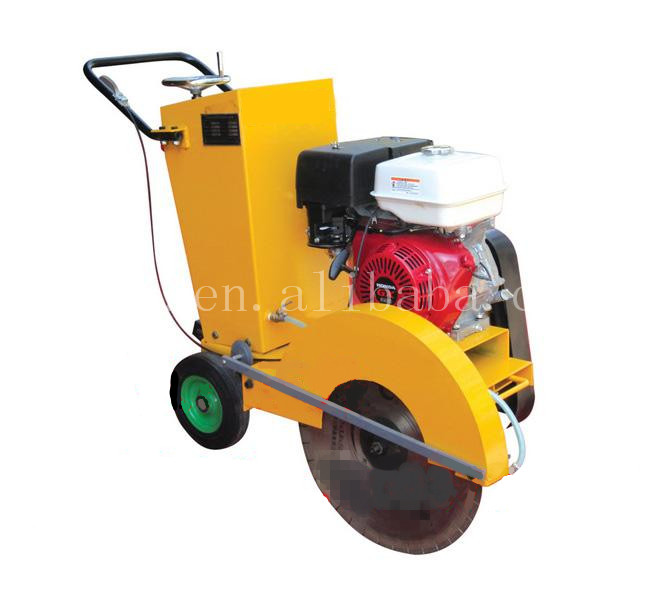
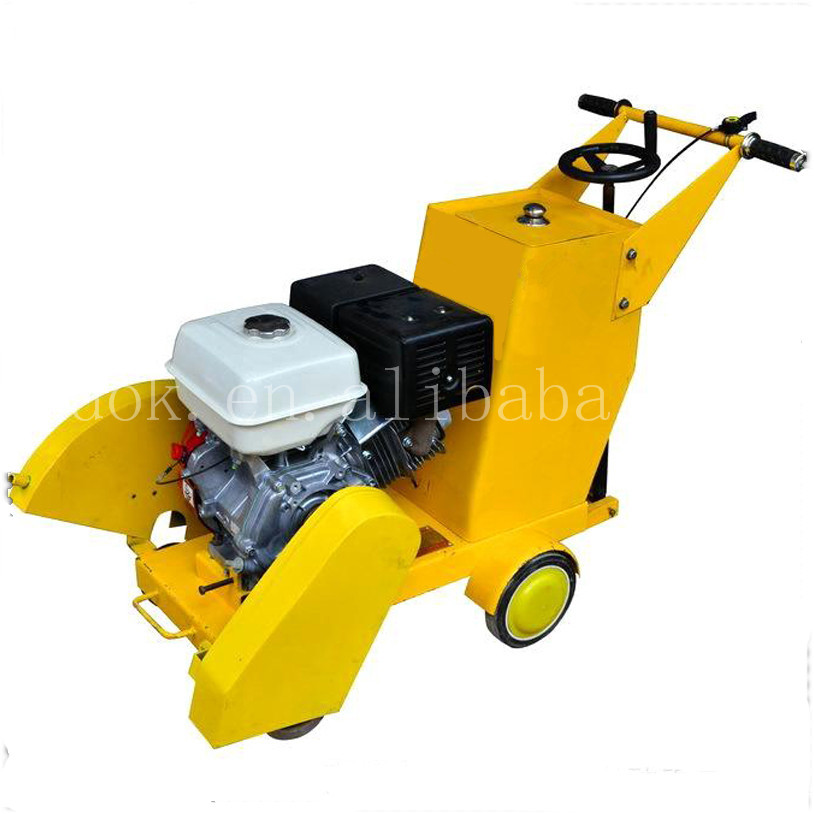
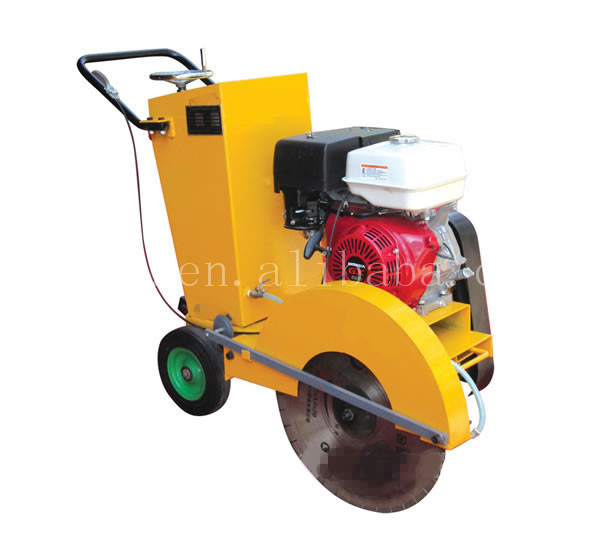
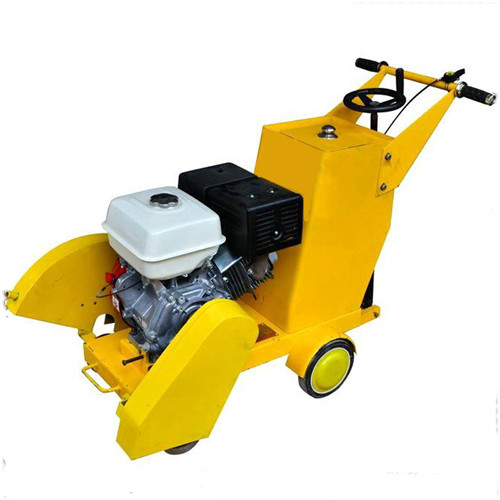
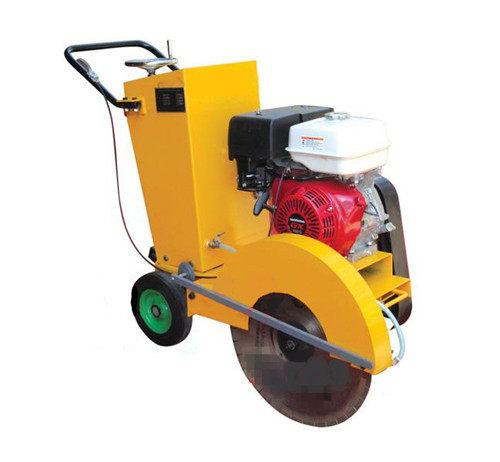
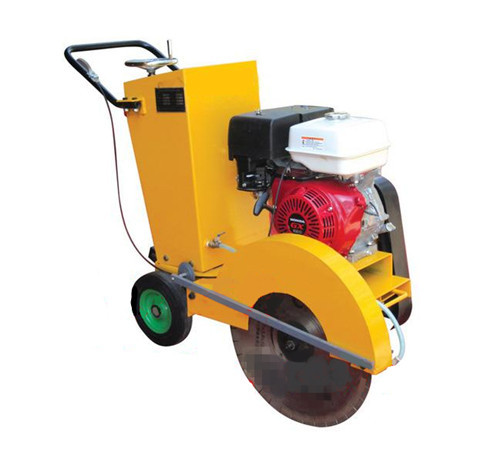
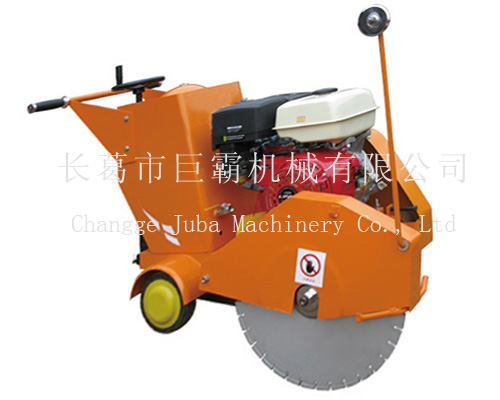
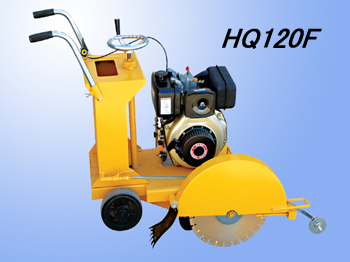
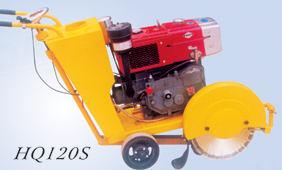
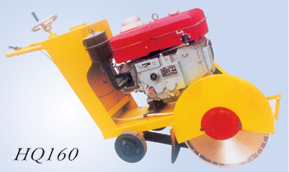
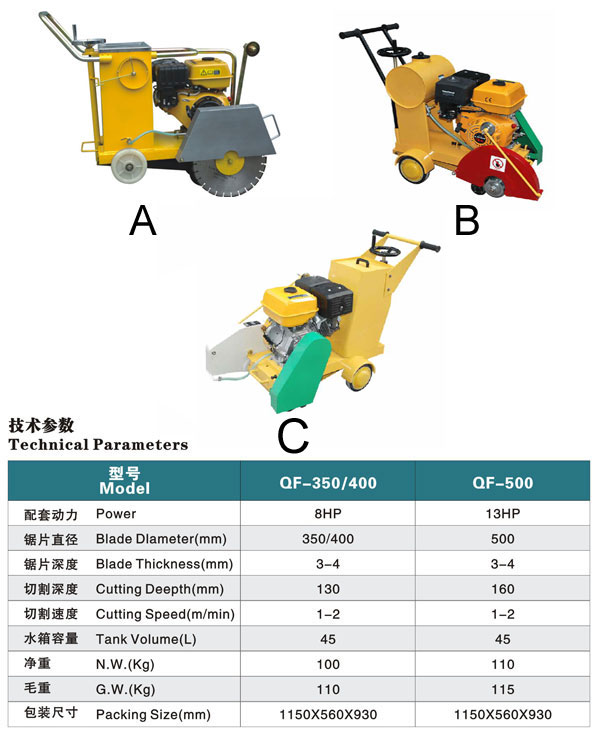
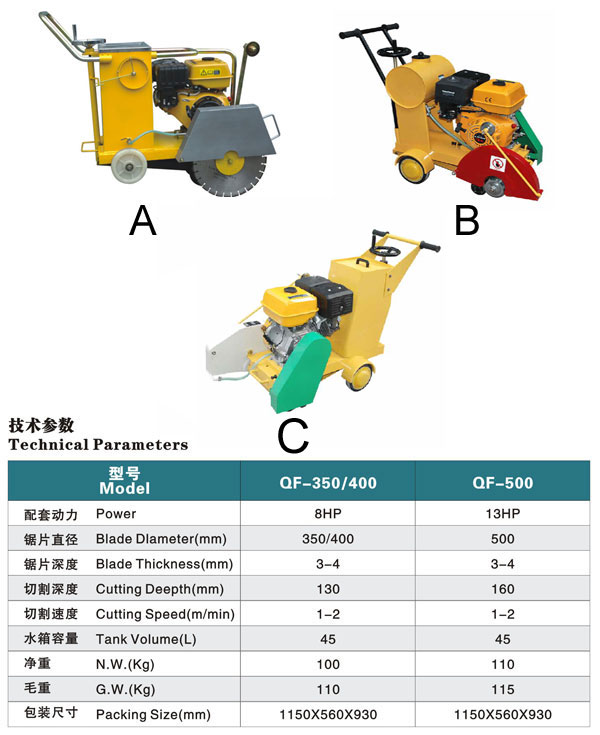
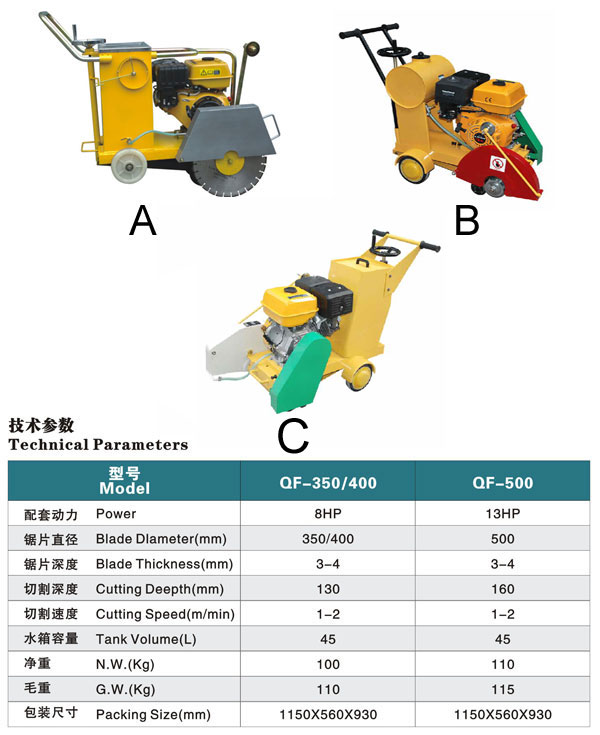
Sourcing walk-behind concrete cutters (often called flat saws or floor saws) in bulk requires balancing raw cutting power with structural durability. For equipment distributors, wholesalers, and construction machinery brands, the sourcing challenge isn't just finding a factory that can weld a chassis and mount an engine. The real difficulty lies in securing a manufacturing partner capable of consistent quality control, precise blade alignment, and reliable power transmission under heavy, continuous load.
When importing construction machinery, a failure in the field damages your brand's reputation. Navigating the supplier landscape requires strict attention to component origin, chassis rigidity, and international emissions compliance.
Key Technical Specifications to Define
To get accurate quotes and avoid substandard machinery, you must specify exact technical requirements to your manufacturer. Vague requests result in factories substituting cheaper components to win your business on price.
- Power Plant (Engine/Motor): This is the most critical cost driver. Specify the exact brand and model (e.g., original Honda GX390, Kohler, or reliable domestic alternatives like Loncin or Ducar). For electric models, specify voltage, phase (single vs. three-phase), and IP ratings for water resistance.
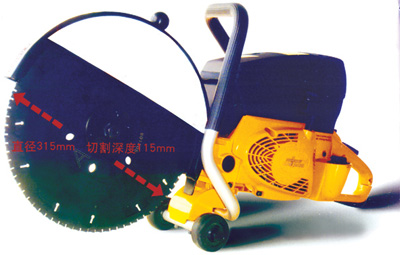
- Blade Capacity & Depth of Cut: Cutters are generally categorized by maximum blade diameter (typically ranging from 12 inches up to 36 inches or more). Ensure the chassis provides adequate clearance and the arbor size matches your target market's standard blades.
- Drive System: Specify whether you require manual push or self-propelled (hydrostatic drive) models. Self-propelled units require significantly more rigorous testing of the transmission system.
- Water Distribution: Wet cutting is standard for dust suppression and blade cooling. Specify the water tank material (polyurethane vs. steel) and capacity, as well as the delivery method (gravity-fed vs. pressurized pump).
| Engine Tier | Typical Application | Cost Impact | Market Fit |
|---|---|---|---|
| Premium (e.g., Honda, Vanguard) | Heavy commercial, rental fleets | High | Professional contractors demanding extreme reliability |
| Tier 1 Domestic (e.g., Loncin, Zongshen) | Standard commercial, general construction | Medium | Value-focused distributors and mid-tier brands |
| Generic/Unbranded | Light duty, intermittent use | Low | Budget markets (high risk of premature failure) |
Struggling to verify if a factory is using genuine components? We handle supplier vetting and technical negotiations to ensure you get exactly what you specify.
Talk to our teamManufacturing Tolerances and Quality Control
The primary failure points in concrete cutters are excessive vibration, premature bearing failure, and misaligned arbors. These issues stem from poor manufacturing tolerances and inadequate quality control on the factory floor.
A rigid, reinforced box-frame chassis is essential to resist warping and minimize vibration. When a chassis warps, the blade binds in the cut, leading to rapid belt wear and potential engine damage. Before committing to a large order, it is highly recommended to conduct thorough Factory Audits to assess the supplier's welding robotics, CNC machining capabilities for the arbor shaft, and assembly line testing protocols.
Critical Factory QC Checkpoints
- Arbor shaft runout testing (must be under 0.05mm to prevent blade wobble)
- Laser alignment checks between the engine pulley and arbor pulley
- Dynamic balancing of the blade shaft assembly
- Vibration testing at the operator handle (compliance with regional occupational health standards)
- Verification of genuine engine sourcing via serial number tracking
Implementing strict Quality Control & Inspection prior to shipment is non-negotiable for construction machinery. Catching a misaligned frame or a counterfeit engine after the container arrives in your warehouse is a costly disaster.
Customization and OEM Production
Most established factories offer comprehensive OEM/ODM Services for volume buyers. Customization goes beyond simply applying your brand's RAL color and decals.
Serious brands often modify the base designs to suit their local markets. This can include specifying thicker gauge steel for the blade guard, upgrading to premium Japanese NSK or SKF bearings, adding lifting bales for crane transport, or integrating custom depth-indicator gauges. When negotiating OEM agreements, clearly define who owns the customized tooling and molds.
Pricing, MOQs, and Lead Times
Pricing for concrete cutters is highly volatile and directly tied to global steel prices and the selected engine tier.
Because concrete cutters are heavy and take up significant volume, shipping less-than-container-load (LCL) is rarely cost-effective. Buyers typically order in quantities that maximize a 20ft or 40ft High Cube container, often mixing different blade-capacity models from the same manufacturer to meet the MOQ.
Need help optimizing your container loads and negotiating favorable MOQs with top-tier machinery factories? Let our sourcing experts streamline your procurement.
Get a free consultationFrequently Asked Questions
Successful sourcing in the concrete machinery sector requires looking past the initial unit price and focusing on total cost of ownership. A cutter that fails on a job site costs your end-user thousands in downtime, which ultimately costs you the client. By partnering with vetted manufacturers who prioritize structural integrity and genuine components, you build a product lineup that commands premium margins and long-term brand loyalty.
Get Sourcing Help for Concrete Cutters
Tell us your requirements and our experts will connect you with verified manufacturers.