Concentrators
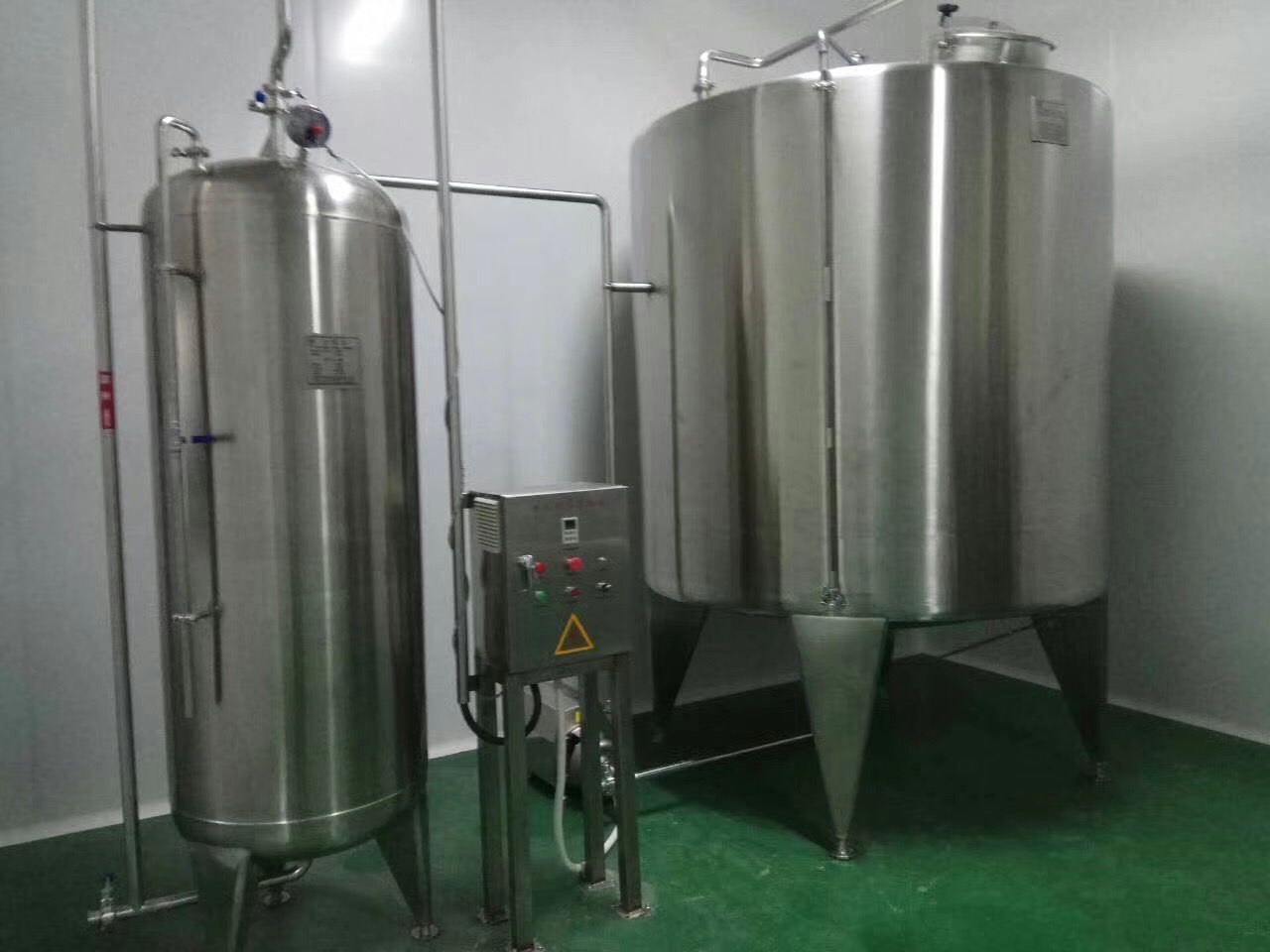
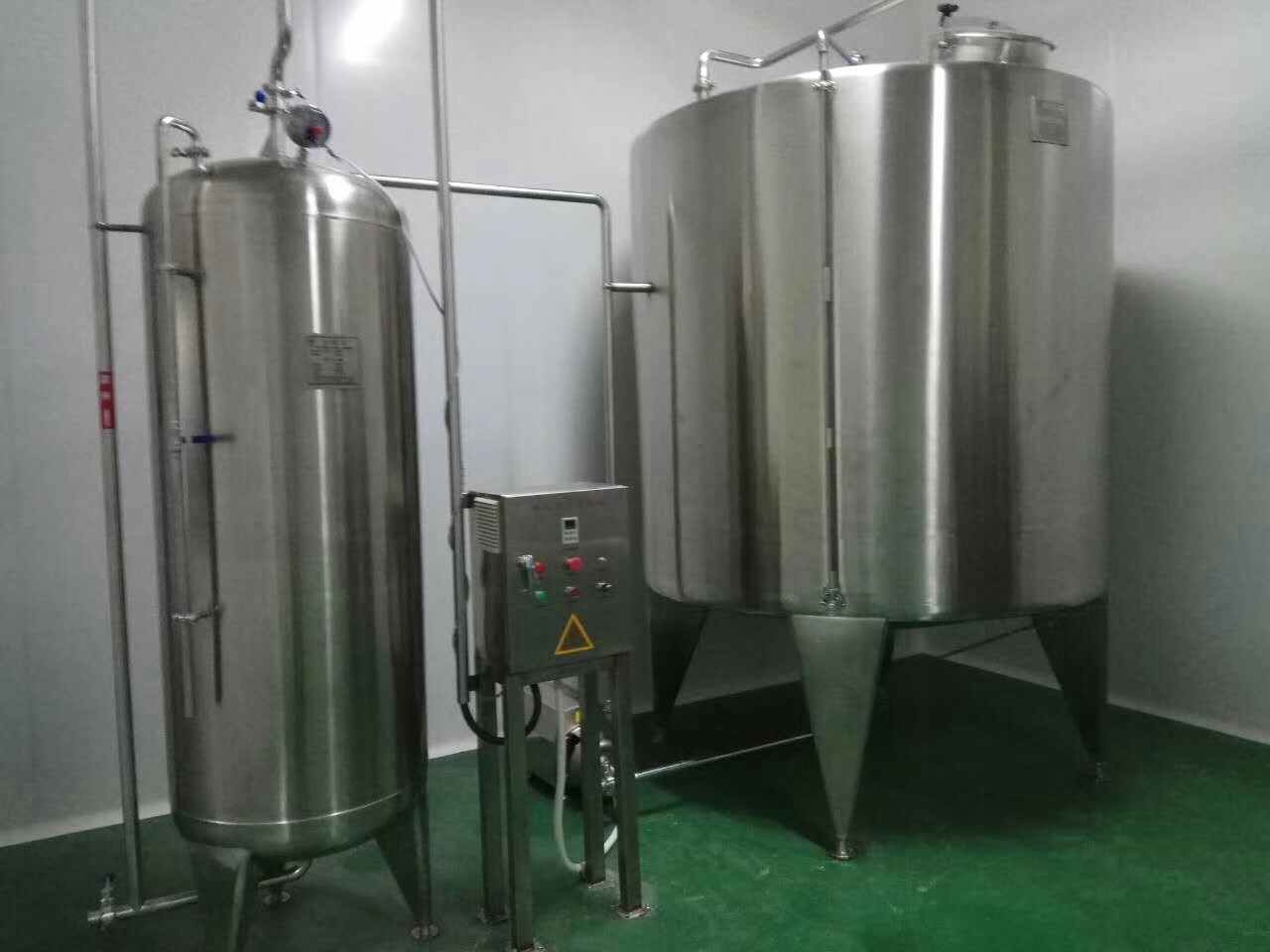
Source industrial beverage concentrators from vetted suppliers and manufacturers. Designed for food and beverage processing facilities, our network provides high-efficiency vacuum and falling film evaporators tailored for importers, distributors, and brands requiring custom OEM/ODM production.
Sourcing industrial beverage concentrators requires balancing high evaporation rates with the preservation of flavor, color, and nutritional value. Whether you are procuring falling film evaporators for juice processing or vacuum concentrators for syrups and wine, the primary challenge lies in matching the thermal dynamics of the equipment to the specific viscosity and heat sensitivity of the product. Procuring this capital equipment directly from Asian manufacturers offers significant cost advantages, provided you rigorously manage technical specifications, sanitary standards, and component integration.
Specifying the Right Evaporation Technology
Beverage concentrators are not off-the-shelf products. Manufacturers build these systems to order based on the buyer's required evaporation capacity (measured in kg/h of water removed), heating temperature, and the physical properties of the feed liquid.
Specifying the wrong type of evaporator leads to product degradation (burn-on), frequent fouling, or massive energy inefficiencies.
| Concentrator Type | Best For | Key Advantage | Viscosity Limit |
|---|---|---|---|
| Falling Film Evaporator | Juices, milk, clear liquids | High capacity, low residence time | Low to Medium |
| Vacuum Pan Concentrator | Syrups, jams, heavy concentrates | Excellent low-temperature boiling | Medium to High |
| Scraped Surface Evaporator | Pastes, highly viscous purees | Prevents burn-on and fouling | Very High |
When submitting your RFQ, you must also define whether you require single-effect or multi-effect systems. Multi-effect concentrators reuse latent heat from the evaporated vapor in subsequent stages, drastically reducing steam consumption, though they require a larger footprint and higher initial capital investment.
Manufacturing Quality and Sanitary Standards
Because these machines process consumables, sanitary design is non-negotiable. The quality of a concentrator is largely determined by the manufacturer's metalworking capabilities and their adherence to food-grade standards.
Key areas to evaluate on the factory floor include:
- Material Grades: Contact parts must be forged from SS316L stainless steel for high-acid beverages (like citrus juices or wine), while SS304 is generally acceptable for non-contact structural frames.
- Surface Finish: To prevent bacterial growth and ensure effective Clean-In-Place (CIP) cycles, internal surface roughness (Ra) must be polished to under 0.8 micrometers.
- Sanitary Welding: Welds must be smooth, pit-free, and passivated. Poor welding creates dead zones where microbial contamination thrives.
Verifying these capabilities remotely is highly risky. Conducting comprehensive Factory Audits is essential to ensure the supplier holds the necessary pressure vessel certifications (such as ASME or CE) and possesses the precision machining required for sanitary equipment.
Ensuring food-grade compliance starts before the first weld. We verify manufacturer certifications, welding standards, and production capabilities on the ground.
Discuss factory vettingComponent Integration and Quality Control
A concentrator is a complex system relying on multiple subsystems to maintain vacuum pressure and thermal stability. Chinese manufacturers often offer different tiers of internal components. To ensure reliability, specify internationally recognized brands for critical parts, such as Siemens or Allen-Bradley for PLCs, and reliable European or Japanese brands for vacuum pumps and sensors.
Before authorizing shipment, rigorous Factory Acceptance Testing (FAT) is required.
Critical FAT Inspection Points
- Hydrostatic pressure testing of all heating jackets and condenser tubes
- Vacuum leak testing to ensure the system holds negative pressure continuously
- Verification of CIP spray ball coverage and flow rates
- Calibration checks on temperature transmitters and flow meters
- Simulation of the PLC control sequences and safety interlocks
Implementing professional Quality Control & Inspection during assembly and prior to crating ensures these systems meet your exact operational parameters before they leave the factory.
Sourcing Realities: Pricing, MOQs, and Lead Times
Industrial concentrators are major capital expenditures. Prices vary wildly based on evaporation capacity, the number of effects, and the level of automation.
Because these machines are bulky and often require specialized flat-rack or open-top shipping containers, logistics planning must begin during the manufacturing phase. Coordinating heavy machinery freight requires expertise to avoid port delays and ensure safe transit.
Managing heavy machinery logistics and customs clearance requires specialized freight handling. Let us streamline your supply chain from the factory floor to final installation.
Talk to our teamFrequently Asked Questions
Successfully procuring industrial concentrators requires moving beyond basic price negotiation. The true cost of this equipment is measured in its operational uptime, thermal efficiency, and sanitary reliability over a decade of use. Partnering with experienced sourcing professionals ensures your technical requirements are translated into manufacturing reality.
Get Sourcing Help for Concentrators
Tell us your requirements and our experts will connect you with verified manufacturers.