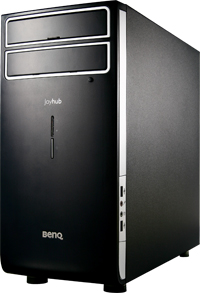
Computer Cases & Towers
Source premium Computer Cases & Towers from vetted suppliers and manufacturers. Designed for importers, distributors, and PC hardware brands looking for reliable wholesale or custom OEM/ODM production. Partner with top factories to secure competitive pricing and consistent quality for your bulk procurement needs.
Sourcing computer cases and towers at scale requires a precise balance between material costs, structural integrity, and thermal performance. Because the chassis serves as the physical and aesthetic foundation of any PC build, manufacturing tolerances must be exact. Whether you are importing standard ATX towers for system integrators or developing a custom small-form-factor (SFF) chassis for a gaming brand, success depends on selecting factories with advanced stamping capabilities and rigorous quality management.
Critical Specifications and Material Selection
The structural foundation of a computer case dictates its durability, shipping survivability, and market positioning. When negotiating with manufacturers, you must define exact material specifications rather than relying on generic factory defaults.
- Steel Thickness (SPCC/SGCC): The industry standard for chassis frames is cold-rolled steel (SPCC). Budget cases often use 0.4mm to 0.5mm steel, which is prone to warping during transit. Mid-range to premium cases require 0.6mm to 0.8mm SPCC. For heavy-duty or server-grade towers, specify 1.0mm or thicker.
- Tempered Glass Panels: Side panels should utilize tempered glass with a minimum thickness of 3mm to 4mm. Ensure the factory applies an anti-shatter film and utilizes robust mounting mechanisms (e.g., steel-reinforced edges or captive thumbscrews) to minimize breakage during shipping.
- Airflow and Thermal Design: Specify the required fan mounting points, radiator clearances (e.g., 240mm, 360mm), and dust filter types (magnetic vs. slide-out). The front panel design—whether mesh, solid plastic, or glass—drastically impacts tooling costs and thermal performance.
- I/O Panel Components: Define the exact USB specifications (e.g., USB 3.0, USB-C 3.2 Gen 2) and audio jacks. The quality of the internal I/O PCB is a common failure point in budget manufacturing.
Need help verifying factory capabilities? Let our sourcing experts match you with audited chassis manufacturers.
Talk to our teamManufacturing Approaches: OEM vs. White-Label
Developing a new computer case from scratch involves significant capital expenditure due to the cost of steel stamping dies and plastic injection molds. For brands looking to enter the market or expand their product lines, choosing the right manufacturing strategy is critical. Engaging in OEM/ODM Services allows you to tailor the product to your exact requirements.
| Manufacturing Strategy | Tooling Investment | Lead Time | Customization Level |
|---|---|---|---|
| White-Label (Bezel Mod) | Low | 30 to 45 Days | Custom front panel & branding on existing frame |
| Semi-Custom ODM | Medium | 45 to 60 Days | Modified internal layout & custom external panels |
| Full Custom OEM | High (Extensive dies) | 90+ Days | 100% bespoke chassis layout and aesthetics |
For most importers, the most cost-effective route is utilizing an existing, proven chassis frame (the "skeleton") and investing in custom tooling exclusively for the front plastic bezel and exterior branding. If you require a fully custom layout, conducting thorough Factory Audits is essential to verify the supplier's in-house tooling and stamping machinery.
Quality Control on the Factory Floor
Defects in computer cases often stem from poor stamping maintenance, inadequate surface treatment, or rushed assembly. A rigorous Quality Control & Inspection protocol is non-negotiable before the goods are containerized.
Pre-Shipment Inspection Focus Areas
- Chassis rigidity and micrometer verification of SPCC thickness
- Hemmed edges (folded steel) to ensure no sharp edges remain
- Paint adhesion testing (cross-cut test) and powder coat consistency
- Tempered glass edge finishing and mounting alignment
- I/O port alignment and electrical continuity testing
- Thread integrity on motherboard standoffs and PCIe expansion slots
Pricing, MOQs, and Logistics Realities
Computer cases are high-volume, low-density products. The primary challenge in sourcing them is not just the unit cost, but the landed cost. Because they take up significant space, shipping efficiency is paramount.
To maximize margins, buyers must optimize container loads. A standard 40HQ container can hold roughly 1,000 to 1,500 mid-tower cases, depending on packaging dimensions. Flat-packing is rarely feasible for consumer PC cases, so working with experienced Shipping & Freight partners is crucial to negotiate favorable volumetric rates and coordinate efficient factory-to-port logistics.
Struggling with high landed costs? We can help optimize your case designs and container loading for maximum efficiency.
Get a free consultationFrequently Asked Questions
Sourcing computer cases at scale requires a deep understanding of metal fabrication, thermal dynamics, and international freight optimization. By partnering with audited manufacturers and rigorously controlling the material specifications, brands can deliver high-quality chassis that meet the exacting demands of modern PC builders.
Get Sourcing Help for Computer Cases & Towers
Tell us your requirements and our experts will connect you with verified manufacturers.