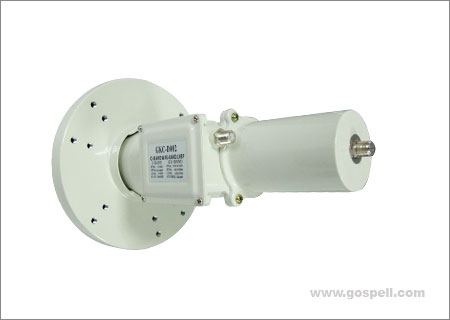
Communication Antennas
Source high-performance Communication Antennas from vetted suppliers and manufacturers in China and across Asia. Designed for telecommunications importers, wholesalers, and brands seeking reliable OEM and private-label production, our network delivers scalable manufacturing for diverse frequency and bandwidth requirements.
Sourcing communication antennas in bulk requires strict adherence to radio frequency (RF) specifications. A minor deviation in impedance or standing wave ratio can degrade signal integrity across an entire deployment. The primary challenge for volume buyers is finding a manufacturing partner equipped with the specialized testing infrastructure—such as vector network analyzers and anechoic chambers—necessary to guarantee every unit performs precisely to spec, order after order.
Critical Specifications for Volume Sourcing
When briefing a manufacturer, generic descriptions lead to inconsistent performance. Factories require precise RF and mechanical parameters to engineer or modify the antenna correctly.
Beyond frequency bands (e.g., 2.4GHz, 5GHz, Sub-1GHz, Cellular/LTE), you must specify the required Gain (dBi) to determine directivity, and the Polarization (linear, circular, or dual).
Need to verify a factory's RF testing capabilities before placing a volume order?
Talk to our teamManufacturing Processes and Quality Control
The physical construction of an antenna dictates its long-term RF stability. Quality is typically won or lost in two areas: the internal soldering of the elements/PCB, and the radome material selection. Poor soldering introduces impedance mismatches, while subpar plastics degrade under UV exposure, altering the antenna's dielectric properties over time.
To mitigate these risks, comprehensive Quality Control & Inspection is non-negotiable. Pre-shipment checks should not rely on visual inspection alone.
Factory-Level QC Requirements
- Vector Network Analyzer (VNA) testing on the assembly line for VSWR and Return Loss.
- Anechoic chamber testing for radiation pattern and peak gain verification (usually on a sampling basis).
- Salt spray testing for external connectors (e.g., N-Type, SMA) to ensure corrosion resistance.
- UV aging tests for radome materials (fiberglass, ASA) intended for outdoor deployment.
If you are developing a proprietary design, conducting thorough Factory Audits prior to production ensures the supplier actually owns the necessary RF testing equipment rather than outsourcing it, which can cause severe delays in the prototyping phase.
Customization and OEM Production
Many buyers require OEM/ODM Services to tune existing antenna designs to specific proprietary frequencies or to integrate custom form factors into existing hardware.
When customizing, altering the cable length or connector type (e.g., swapping an IPEX connector for an SMA) requires no new tooling. However, changing the radome shape or redesigning the internal PCB/dipole array will incur tooling costs and require a dedicated tuning phase to re-optimize the VSWR and radiation pattern.
Pricing, MOQs, and Lead Times
Antenna costs scale with material quality (e.g., gold-plated connectors, high-frequency PCB substrates like Rogers) and the physical size of the radome.
| Antenna Category | Typical MOQ | Primary Cost Drivers |
|---|---|---|
| Internal Device Antennas (FPC/PCB) | 3,000 - 5,000 units | Substrate material, cable length |
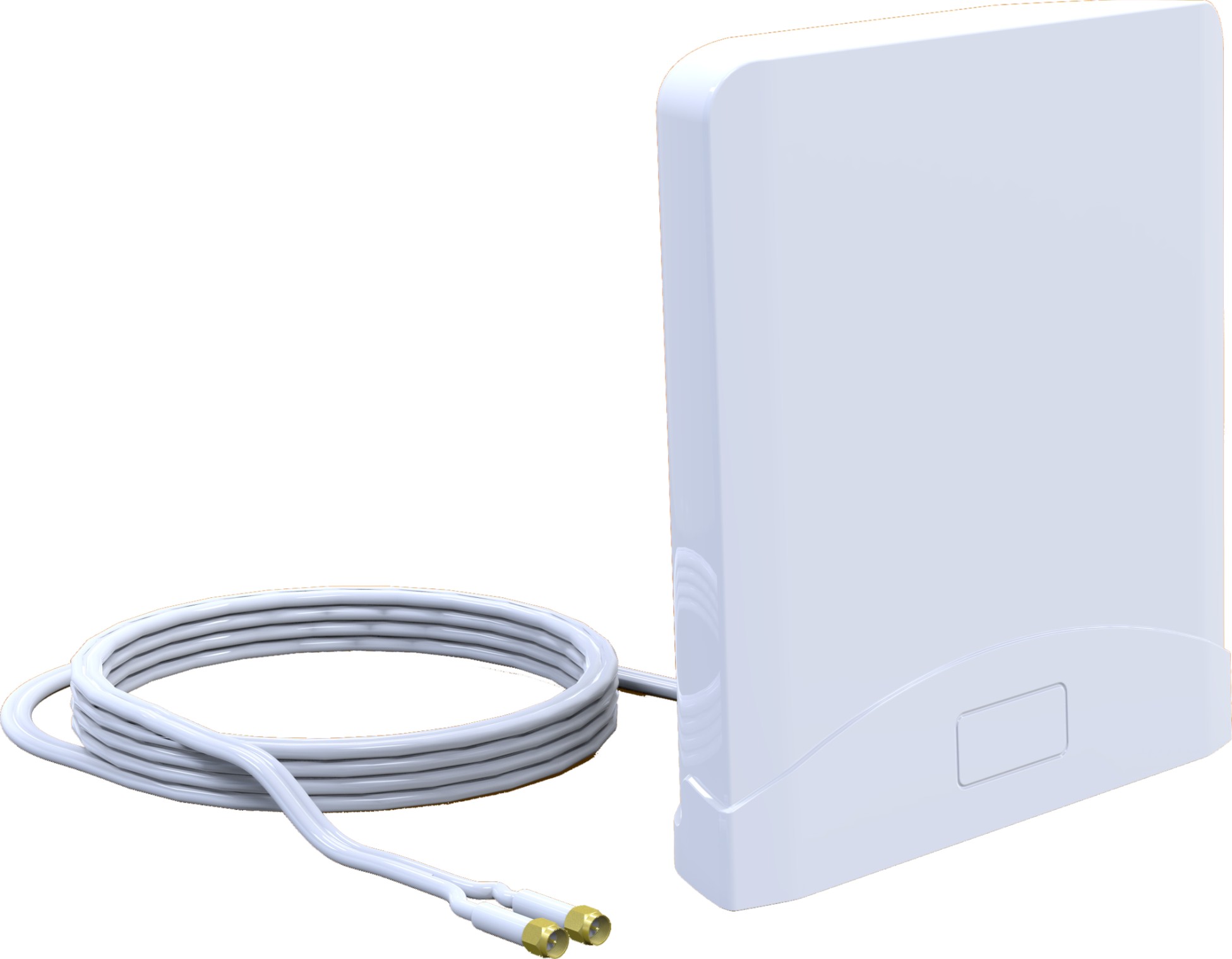
| Standard External (WiFi, Cellular Rubber Duck) | 1,000 - 2,000 units | Connector plating, plastic housing |
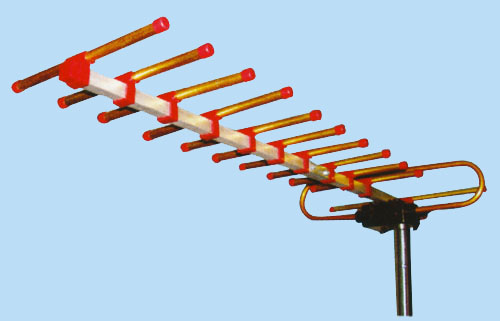
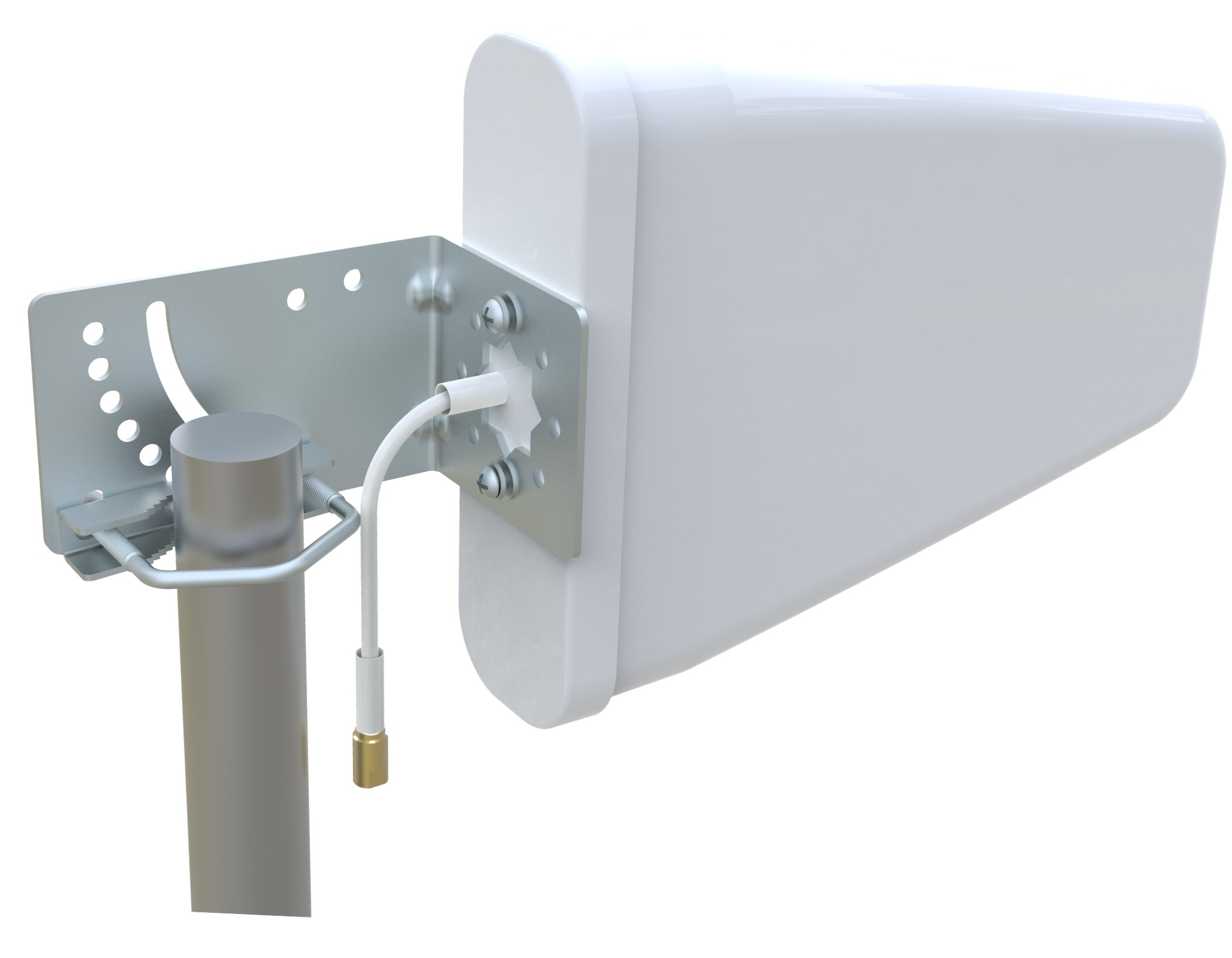
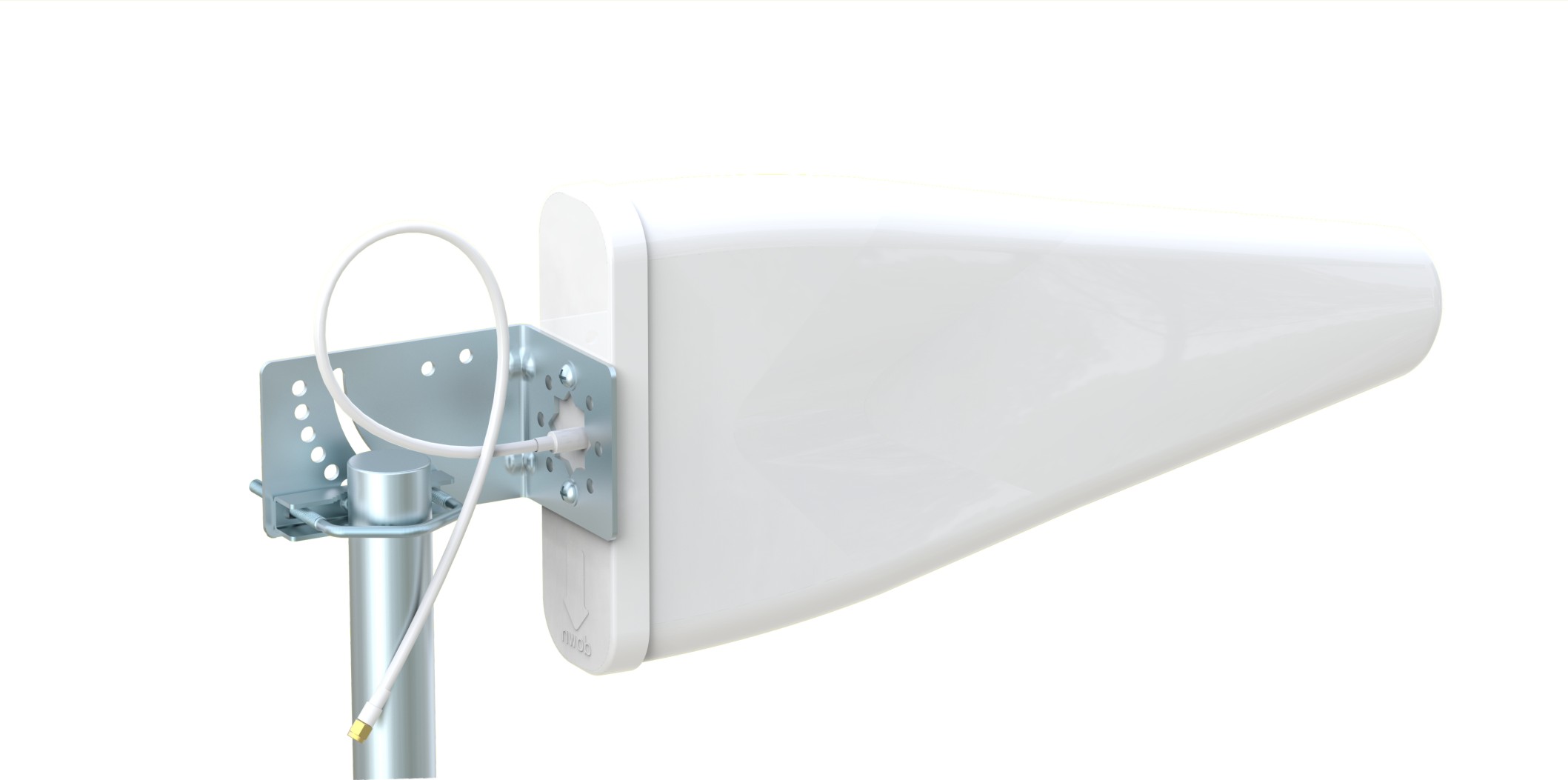
| Outdoor Base Station / Sector Antennas | 100 - 500 units | Fiberglass radome, internal brass/copper arrays |
Lead times for standard, off-the-shelf designs typically range from 20 to 30 days. Custom OEM runs that require new injection molds for the radome or custom PCB etching will push initial lead times to 45 to 60 days.
Looking to negotiate better pricing and lower MOQs for your custom antenna run?
Get a free consultationFrequently Asked Questions
Securing a reliable supply of communication antennas requires moving beyond basic frequency specs and scrutinizing a factory's engineering and testing capabilities. By partnering with suppliers who maintain rigorous in-house RF validation, you ensure consistent connectivity for your end-users. If you need assistance vetting manufacturers or managing complex OEM antenna projects, our sourcing specialists are ready to help.
Get Sourcing Help for Communication Antennas
Tell us your requirements and our experts will connect you with verified manufacturers.