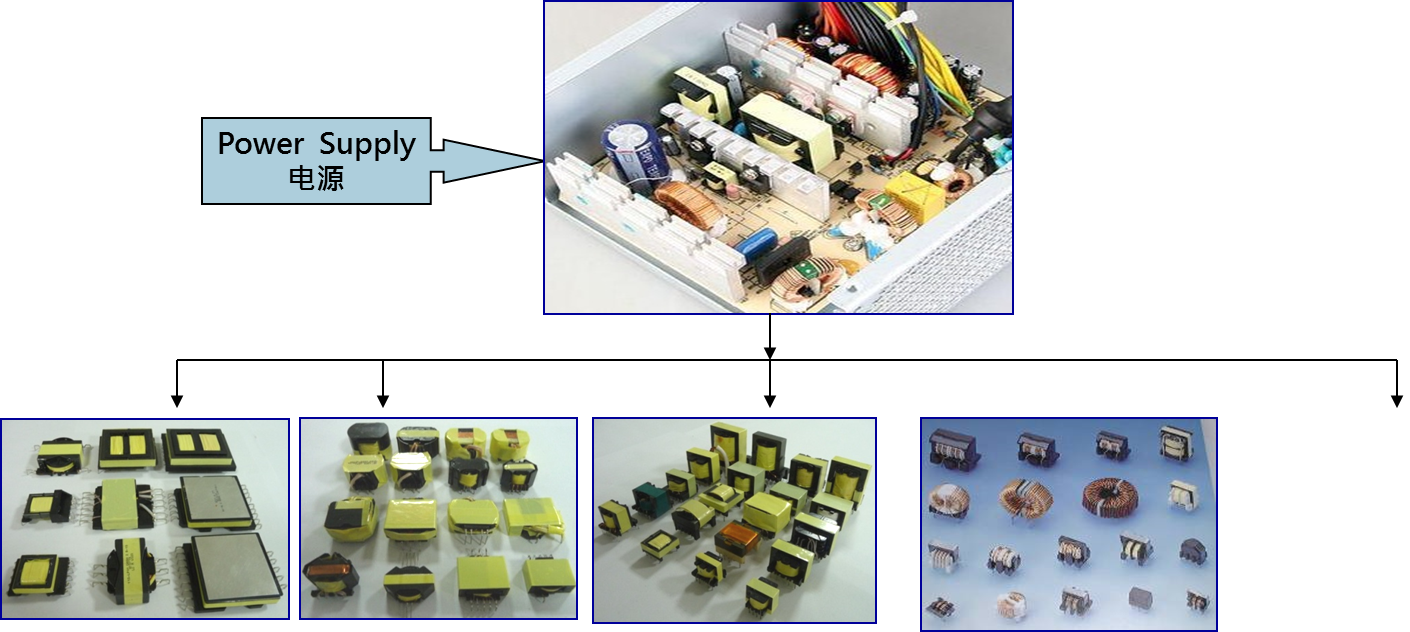
Common Mode Chokes
Source high-quality Common Mode Chokes in bulk from vetted manufacturers and wholesale suppliers. Designed for electronics distributors, procurement managers, and brands requiring reliable EMI/RFI suppression components for OEM production. We connect you with top-tier factories capable of scaling to your volume demands.
Procuring common mode chokes at scale requires a precise alignment of electrical specifications, core material selection, and rigorous manufacturing controls. Whether you are sourcing surface-mount (SMD) chokes for high-speed data lines or heavy-duty through-hole components for industrial power supplies, securing a reliable supply chain means looking beyond the datasheet. A qualified factory must demonstrate consistent winding symmetry, strict core sorting, and comprehensive end-of-line testing to ensure reliable EMI suppression without degrading the differential signal.
Core Materials and Application Matching
The foundation of any common mode choke is its magnetic core. Specifying the wrong material for your frequency range or temperature environment will lead to core saturation or inadequate impedance. When engaging suppliers for OEM/ODM Services to develop custom chokes, your factory must understand the trade-offs between standard ferrites and advanced nanocrystalline options.
| Core Material | Frequency Range | Permeability | Typical Application |
|---|---|---|---|
| MnZn Ferrite | Low to Medium | High | Switch-mode power supplies, mains filters |
| NiZn Ferrite | High (over 10 MHz) | Low | USB/HDMI data lines, RF applications |
| Nanocrystalline | Broadband | Very High | EV onboard chargers, solar inverters |
Manufacturing Controls and Winding Symmetry
The primary function of a common mode choke relies on perfect symmetry between its two windings. If the windings are unbalanced, the choke will impede the desired differential signal and suffer from reduced Common Mode Rejection Ratio (CMRR).
Factories employ two main winding methods: bifilar (wires wound simultaneously, offering high symmetry but lower voltage isolation) and sectional (wires wound on separate halves of the core, offering excellent high-voltage isolation but higher leakage inductance).
When evaluating a manufacturer's production line, look for automated winding machines with active tension control. Manual winding, while common for extremely large power chokes, introduces unacceptable variance in parasitic capacitance for high-frequency applications.
Need to verify a supplier's automated production capabilities?
Talk to our teamCritical Quality Defect Checks
Catching defects early prevents costly failures in final PCB assembly. A robust Quality Control & Inspection protocol at the factory should target the following failure modes:
Essential Factory Testing Parameters
- DCR Matching: Direct Current Resistance must be nearly identical across both windings to prevent signal skew.
- Hi-Pot Testing: Verifying dielectric strength and insulation resistance between windings, critical for mains-connected chokes.
- Impedance Profiling: Sweeping the component across its rated frequency band to ensure minimum impedance targets are met.
- Solderability: Checking terminal plating (often matte tin over nickel) to prevent tombstoning or poor wetting during SMT reflow.
Sourcing Mechanics: MOQs, Lead Times, and Pricing
The electronic component supply chain is heavily concentrated in China, specifically in Guangdong (Dongguan, Shenzhen) and Jiangsu provinces. Pricing is highly dependent on copper commodity rates, core material costs, and the degree of automation required.
Pricing leverage is achieved through accurate forecasting and standardizing your footprint to match a factory's existing tooling. Custom tooling for unique core shapes or specialized plastic bobbins will incur NRE (Non-Recurring Engineering) charges and extend initial lead times.
Optimize your component procurement and negotiate better terms.
Get a free consultationSupplier Vetting and Compliance
Not all component manufacturers operate to the same standards. Factories supplying the automotive or medical sectors must adhere to far stricter process controls than those producing chokes for consumer toys. Comprehensive Factory Audits should verify ISO 9001 certification at a minimum, with IATF 16949 required for automotive applications.
Additionally, ensure your supplier has integrated Compliance & Testing capabilities for RoHS and REACH directives, as well as AEC-Q200 reliability standards if you are operating in harsh environments.
Securing a reliable supply of common mode chokes requires proactive supplier management, from validating raw material inputs to ensuring end-of-line electrical testing is performed accurately. By partnering with technically capable manufacturers, you can stabilize your component pipeline and protect your final product's performance.
Get Sourcing Help for Common Mode Chokes
Tell us your requirements and our experts will connect you with verified manufacturers.