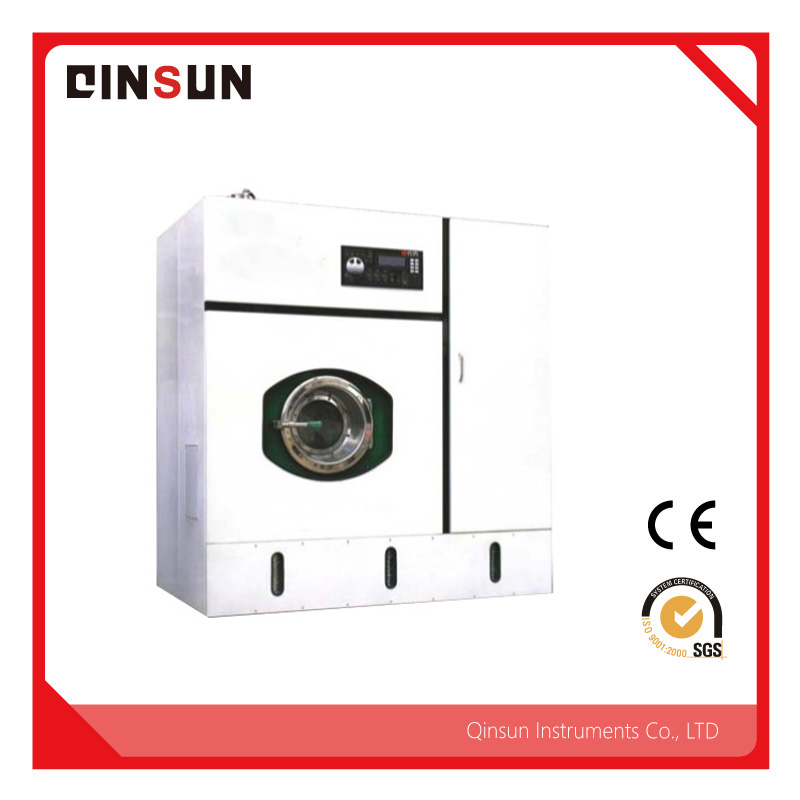
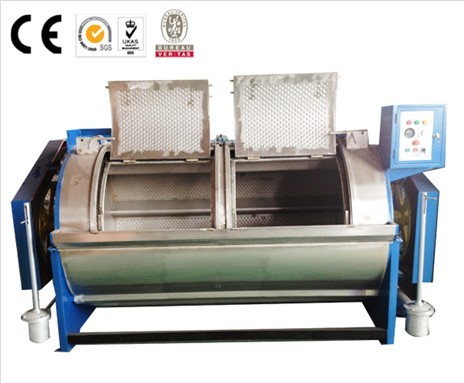
Commercial Laundry Equipment
Source heavy-duty commercial laundry equipment from vetted manufacturers and wholesale suppliers in China and Asia. Designed for importers, distributors, and brands seeking reliable OEM production, our network delivers high-capacity machinery built for continuous industrial operation and optimal energy efficiency.
Sourcing commercial laundry equipment requires balancing high-cycle durability with capital efficiency. When importing these units in volume, the difference between a reliable workhorse and a maintenance liability lies deep in the specification sheet—specifically in the drum metallurgy, bearing assemblies, suspension systems, and inverter drives. For procurement managers and distributors, navigating the Asian manufacturing landscape means identifying factories capable of true industrial fabrication rather than those simply scaling up residential designs.
Core Specifications for High-Cycle Reliability
Commercial laundry machinery must withstand continuous shifts, harsh chemical environments, and extreme mechanical stress. When negotiating with manufacturers, your specification sheet must dictate the exact components and materials used, as these directly impact the total cost of ownership.
A critical area of focus is the drive system. Insist on globally recognized Variable Frequency Drives (VFDs) and heavy-duty cast-iron bearing housings fitted with premium bearings (such as SKF or NSK). Many buyers utilize OEM/ODM Services to customize the Programmable Logic Controller (PLC) interfaces, ensuring the software is intuitive for their specific target market and supports multi-language displays.
| Heating Configuration | Typical Application | Infrastructure Requirement | Operating Cost Profile |
|---|---|---|---|
| Electric | Small to mid-size commercial venues | High-amperage 3-phase power | Highest cost per cycle in most regions |
| Steam | Large industrial & hospital laundries | Dedicated external steam boiler | Highly efficient for massive volumes |
| Gas | Mid to large commercial facilities | Natural gas or LPG lines, venting | Cost-effective with rapid heat-up times |
Discuss your technical specifications and let us match you with vetted commercial equipment manufacturers.
Talk to our teamFactory Floor Realities: Where Quality is Won or Lost
Heavy machinery requires precision fabrication. The structural integrity of a commercial washer or dryer is entirely dependent on the factory's machining and welding capabilities. Poor TIG welding on the inner drum will leave micro-burrs that shred commercial linens, while inadequate frame rigidity will cause the machine to tear itself apart during high-speed extraction.
Conducting thorough Factory Audits is non-negotiable. You must verify that the supplier has in-house laser cutting, robotic welding for critical seams, and dynamic balancing machines for the drums.
Critical Inspection Points for Laundry Machinery
- Dynamic Balancing: Drums must be tested at maximum RPM to ensure vibration falls within acceptable tolerances.
- Weld Seam Polishing: Inner drum welds must be perfectly flush and polished to prevent fabric damage.
- Bearing Runout: Measure the shaft and bearing tolerances to prevent premature failure under heavy, wet loads.
- Suspension Tuning: Verify the spring tension and industrial shock absorbers on soft-mount units.
- PLC Stress Testing: Cycle the control board through all heating, washing, and extraction phases to check for software faults.
Relying on a robust Quality Control & Inspection protocol ensures these mechanical and electrical tolerances are verified before the equipment is crated for export.
MOQs, Lead Times, and Pricing Drivers
Because commercial laundry equipment is capital-intensive and physically large, Minimum Order Quantities (MOQs) are generally low. For massive industrial tunnel washers or 100kg+ extractors, an MOQ of 1 to 2 units is standard. For smaller 15kg to 30kg commercial coin-op or on-premise laundry (OPL) units, factories typically expect MOQs of 10 to 20 units to justify custom branding or specific PLC programming.
Lead times usually range from 30 to 45 days, as these machines are rarely held in stock and are built to order based on your specific voltage, frequency (50Hz vs 60Hz), and heating requirements.
Pricing is heavily dictated by three factors:
- Commodity Prices: The cost of heavy-gauge 304 or 316 stainless steel.
- Component Origins: Specifying Japanese bearings, European VFDs, and premium pneumatic valves will increase the unit cost but drastically reduce warranty claims.
- Compliance: Ensuring the machines meet regional safety standards (like CE, UL, or ETL) requires specific electrical components. Navigating these requirements often requires dedicated Compliance & Testing support.
Need help negotiating MOQs or managing the supply chain for heavy machinery? Connect with our sourcing experts.
Get a free consultationFrequently Asked Questions
Successful procurement of commercial laundry equipment means looking past the initial unit price and evaluating the long-term durability of the internal components. By partnering with factories that prioritize precision engineering and premium materials, you secure machinery that delivers decades of profitable operation for your end-users.
Get Sourcing Help for Commercial Laundry Equipment
Tell us your requirements and our experts will connect you with verified manufacturers.