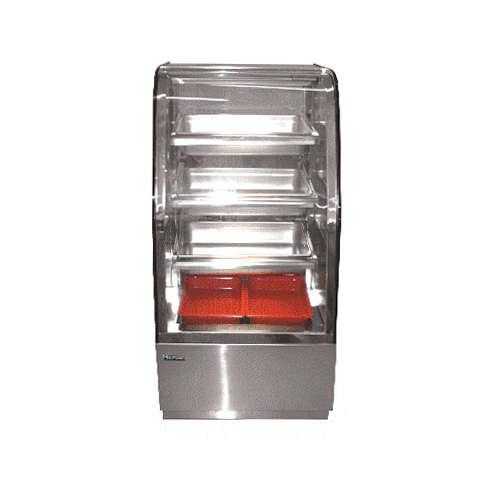
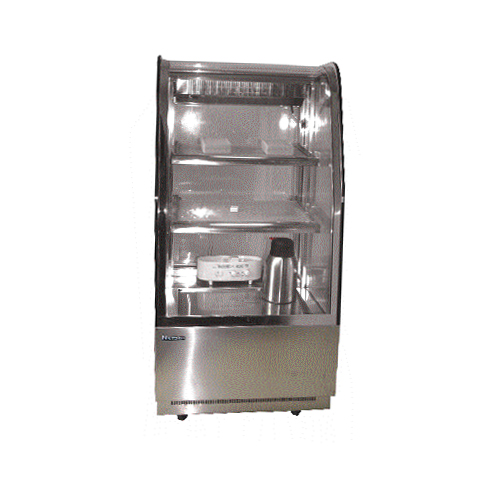
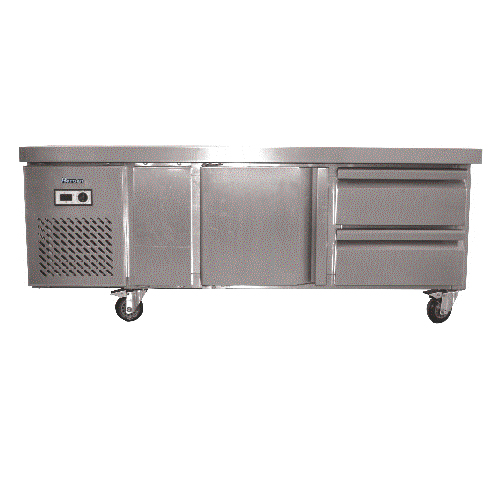
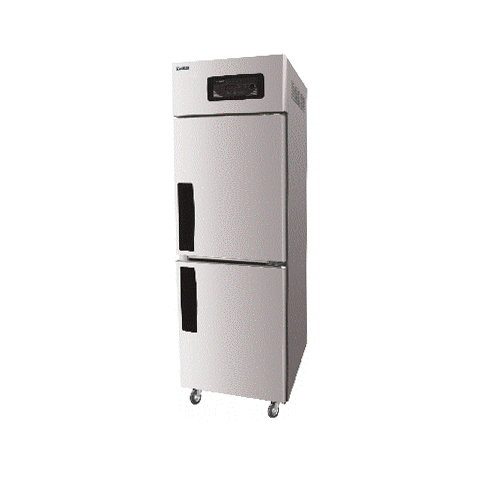
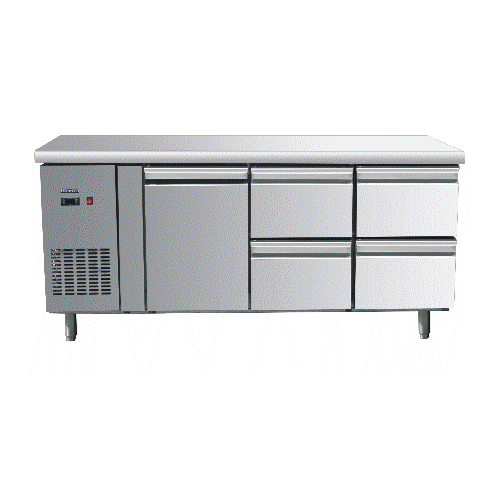
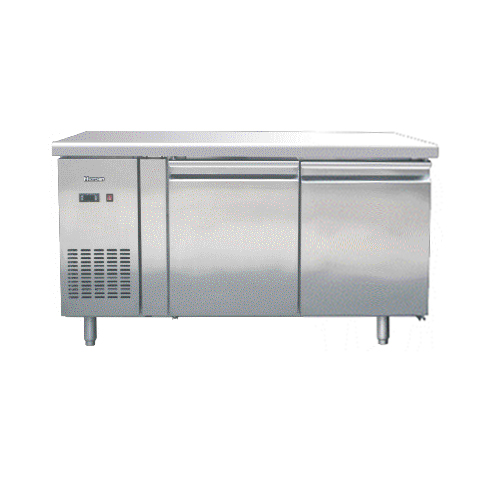
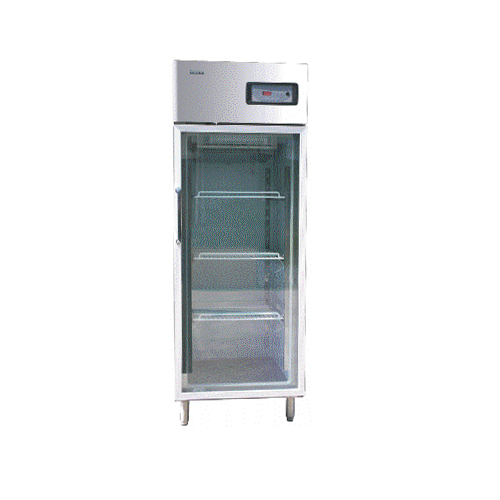
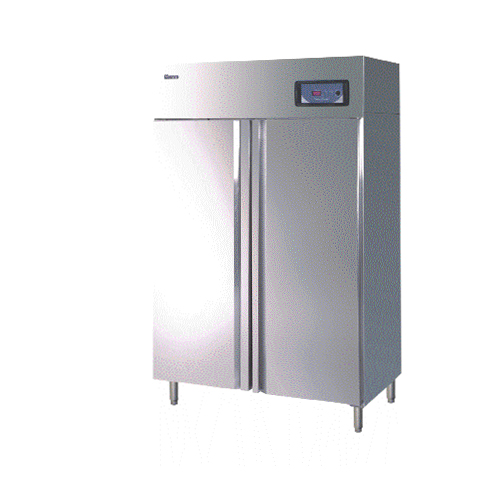
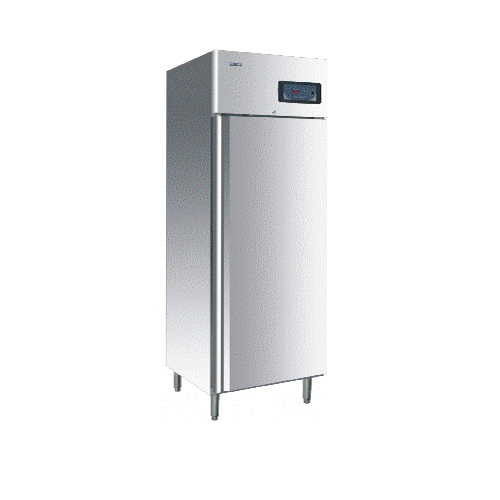
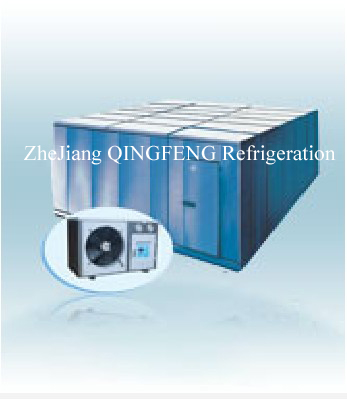
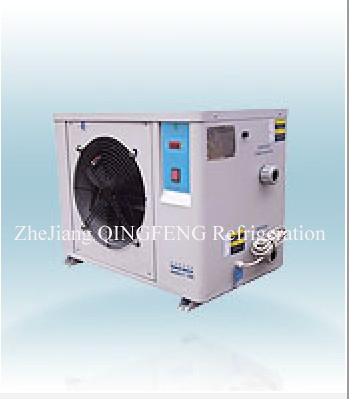
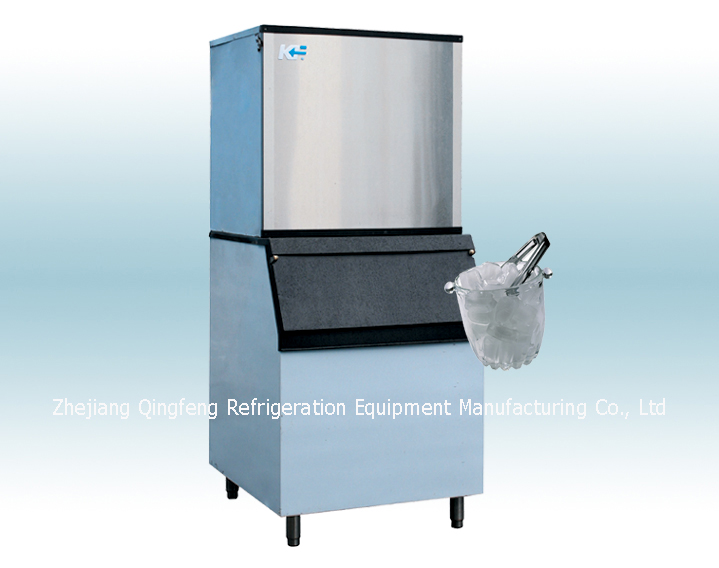
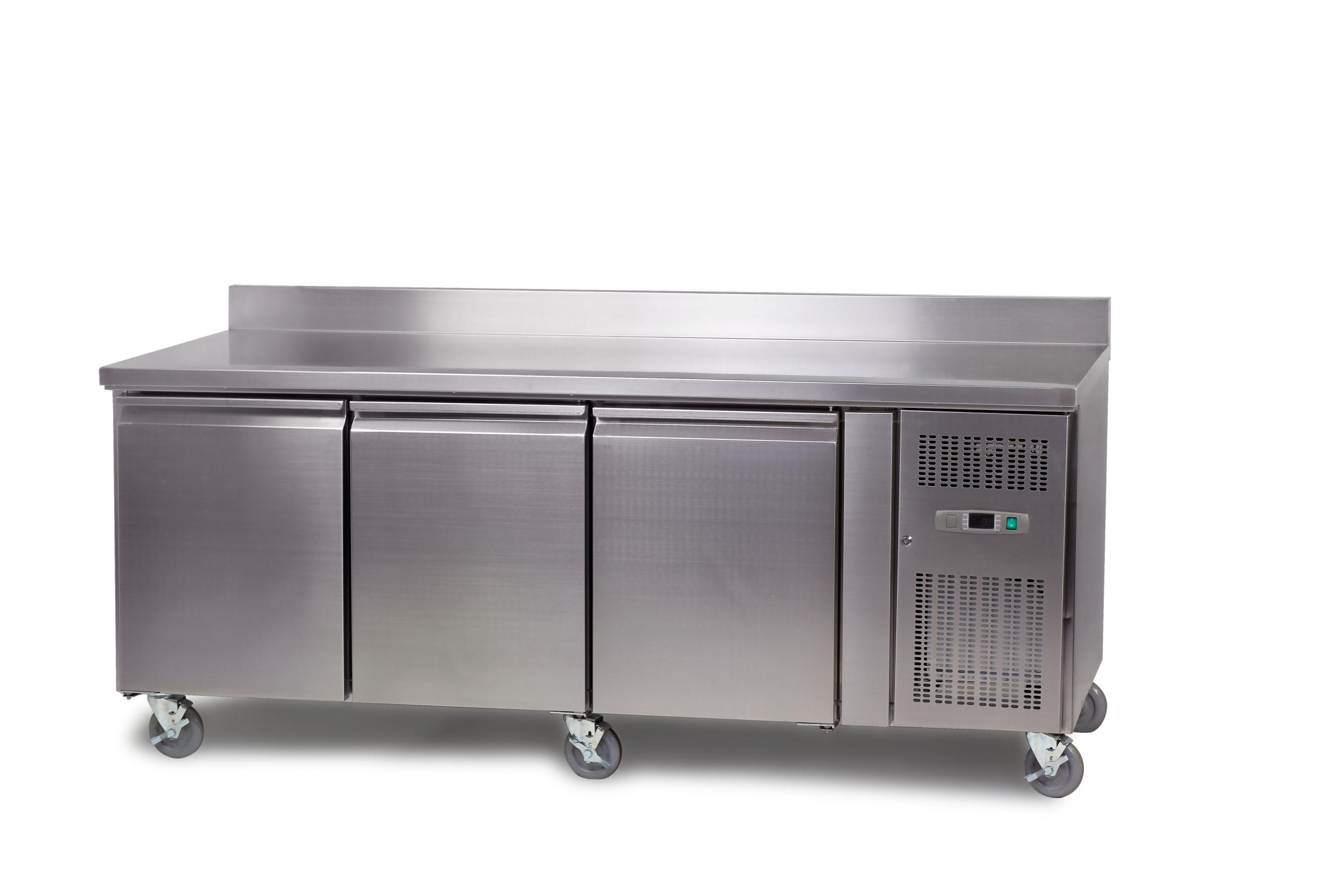
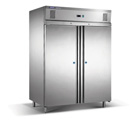
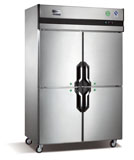
Commercial Kitchen Refrigeration Equipment
Source commercial kitchen refrigeration equipment from vetted manufacturers and suppliers in Asia. Designed for importers, distributors, and brands seeking reliable wholesale purchasing or OEM/ODM production, our verified factory network ensures you secure compliant, high-performance units at competitive volume pricing.
Sourcing commercial kitchen refrigeration equipment in bulk requires navigating a complex matrix of component reliability, energy efficiency standards, and food safety compliance. For wholesalers, distributors, and brands importing these units, the difference between a profitable product line and a warranty nightmare lies in the factory's engineering capabilities and quality control protocols.
The core challenge is balancing cost with durability. Commercial environments demand rapid temperature pull-down, high ambient temperature resilience, and heavy-duty hardware. Achieving this requires strict oversight of the manufacturer's bill of materials (BOM), particularly regarding compressors, refrigerants, and insulation density.
Critical Specifications and Component Selection
When negotiating with a commercial refrigeration factory, the baseline specifications dictate both the unit's lifespan and its price point. Do not rely on off-the-shelf spec sheets; you must explicitly define the critical components for your production run.
| Component / Spec | Standard / Budget Builds | Premium / Heavy-Duty Builds |
|---|---|---|
| Stainless Steel Grade | 201 SS (often 0.5mm to 0.6mm thick) | 304 SS (0.8mm to 1.2mm thick) |
| Compressor Brand | Local Chinese brands (e.g., Jiaxipera, Donper) | Imported/Premium (e.g., Embraco, Secop, Danfoss) |
| Thermostat / Controller | Generic digital controllers | Carel or Dixell advanced controllers |
| Cooling System | Static cooling (manual defrost) | Ventilated / Fan-assisted cooling (auto-defrost) |
| Insulation (Cyclopentane) | Standard density (approx. 35kg/m³) | High density (40kg/m³ and above) |
The Shift to Eco-Friendly Refrigerants
Global environmental regulations have fundamentally shifted refrigerant requirements. While R134a and R404a were industry standards, stringent GWP (Global Warming Potential) limits in North America and Europe now mandate the use of hydrocarbon refrigerants like R290 (Propane). Ensure your supplier has retooled their assembly lines for R290, as it requires specialized, explosion-proof charging stations and rigorous leak detection protocols.
Navigating component selection and factory capabilities can be complex. Let us help you match your technical requirements with the right manufacturer.
Talk to our teamManufacturing Processes and Quality Control
A visually flawless stainless steel exterior can hide fatal internal flaws. The reliability of commercial refrigeration equipment is won or lost during specific stages of the manufacturing process.
When conducting factory audits, pay close attention to the foaming and welding stations. The polyurethane foaming process dictates the cabinet's thermal efficiency. If the factory uses outdated foaming machines or fails to maintain precise temperature and pressure controls, the insulation will develop air pockets, leading to condensation, ice build-up, and overworked compressors.
Similarly, the integrity of the copper tubing network is paramount. Micro-leaks in the brazed joints will cause the system to lose refrigerant over time, resulting in slow cooling and eventual compressor failure.
Essential Factory-Floor QC Checks
- Verify the use of halogen or helium leak detectors on all brazed copper joints.
- Ensure the vacuuming process runs for at least 30 to 45 minutes to remove all moisture from the system.
- Check that electrical safety tests (Hi-Pot, grounding, leakage current) are performed on 100 percent of units.
- Confirm that the temperature pull-down test is conducted in a climate-controlled room simulating high ambient temperatures (e.g., 43°C for tropical class).
- Inspect the cyclopentane foaming jigs to ensure cabinets are held under pressure long enough to prevent warping.
Implementing rigorous quality control inspections—both in-line and pre-shipment—is non-negotiable for this category to catch these hidden defects before containers are loaded.
Compliance and Market Certifications
Importing commercial refrigeration equipment requires strict adherence to regional safety and sanitation standards. Customs and local health inspectors will reject non-compliant units.
For the North American market, units typically require UL or ETL certification for electrical safety, and NSF/ANSI Standard 7 certification for food sanitation. European markets require CE marking and adherence to RoHS and REACH directives, alongside strict MEPS (Minimum Energy Performance Standards). If you are developing a private label line through OEM/ODM services, you must factor the time and cost of compliance and testing into your product development timeline, as certification files must match your specific BOM.
Pricing Drivers, MOQs, and Lead Times
Wholesale pricing for commercial refrigerators is highly volatile, driven primarily by raw material costs (stainless steel and copper) and the origin of the core components (compressors and controllers).
Most established factories will not accept orders for single units unless they are paid samples. A standard Minimum Order Quantity (MOQ) is usually a 20FT or 40HQ container. However, suppliers are often willing to mix two or three different models (e.g., undercounter fridges and upright freezers) within a single container to help distributors manage inventory.
Need to negotiate better terms or consolidate orders from multiple suppliers? We can streamline your procurement process.
Get a free consultationSuccessfully sourcing commercial kitchen refrigeration equipment requires looking past the polished stainless steel exterior to scrutinize the engineering and components within. By strictly defining your BOM, insisting on premium compressors and controllers, and enforcing rigorous in-line quality testing, you can secure reliable, high-margin equipment that withstands the demands of a professional kitchen. Professional sourcing support ensures these technical requirements are translated into manufacturing reality.
Get Sourcing Help for Commercial Kitchen Refrigeration Equipment
Tell us your requirements and our experts will connect you with verified manufacturers.