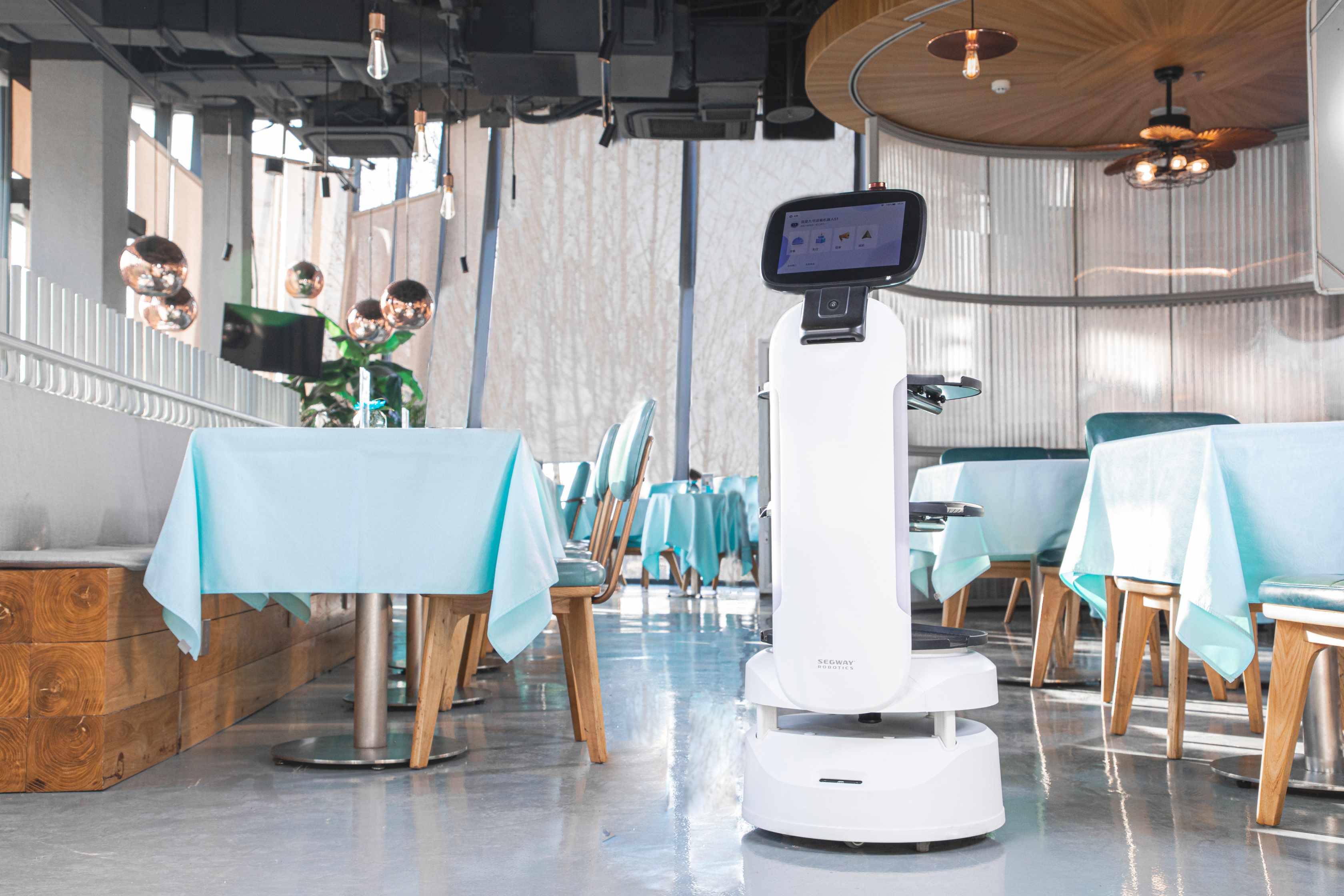
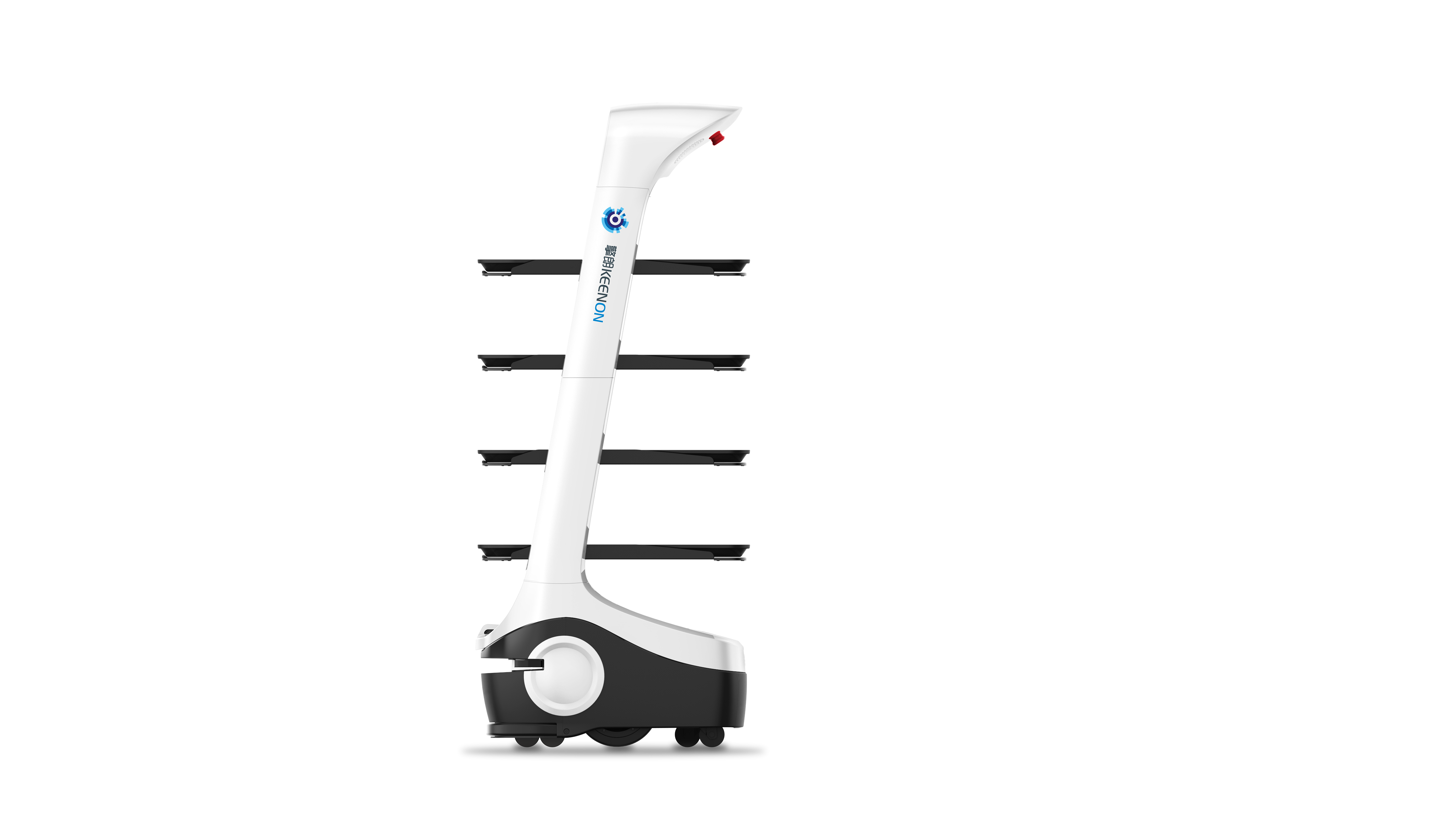
Commercial Delivery Robots
Source commercial delivery robots from vetted manufacturers and suppliers. Designed for importers, distributors, and brands seeking reliable OEM and private-label production in bulk. Access factory-direct pricing and scalable automation solutions for the hospitality sector.
Sourcing commercial delivery robots requires evaluating both hardware durability and software reliability. The primary challenge isn't just finding a factory that can assemble a chassis; it is verifying the integration of SLAM (Simultaneous Localization and Mapping) algorithms, sensor arrays, and battery management systems. Buyers must navigate a complex supply chain to ensure the final product can withstand the rigors of high-traffic commercial environments.
Core Specifications and Navigation Architecture
Buyers must define the navigation stack and payload parameters before engaging manufacturers. The choice of sensor suite dictates the robot's operating environment, mapping accuracy, and unit cost. Most factory-direct options rely on an Android-based operating system, but the hardware driving the spatial awareness varies significantly.
| Navigation System | Primary Sensors | Best Use Case | Cost Impact |
|---|---|---|---|
| LIDAR-Based | Laser rangefinders, ultrasonic | Large, dynamic environments (hotels, big restaurants) | Higher base cost |
| Visual SLAM (VSLAM) | Depth cameras, RGB cameras | Well-lit, structured spaces | Moderate |
| Hybrid (LIDAR + VSLAM) | Combined arrays, drop sensors | Complex, high-traffic commercial zones | Premium |
Struggling to match navigation specs with your target market's needs? Our engineering sourcing team can help evaluate factory capabilities and sensor configurations.
Discuss technical requirementsManufacturing Variables and Quality Control
A delivery robot's lifespan depends heavily on the quality of its drivetrain and battery management system (BMS). Many lower-tier suppliers use off-the-shelf components that fail under continuous commercial strain, leading to drifting navigation or battery degradation. Conducting thorough Factory Audits is critical to verify that the supplier actively develops and calibrates their own control boards rather than just assembling purchased parts.
Critical Inspection Points for Delivery Robots
- Suspension and Drivetrain: Verify independent suspension to prevent spills on uneven commercial flooring.
- Sensor Calibration: Ensure drop sensors and obstacle avoidance arrays are tested dynamically on the assembly line.
- Battery Chemistry: Confirm the use of commercial-grade LiFePO4 cells rather than consumer-grade lithium-ion.
- Software API Stability: Test the local network integration, mapping retention, and cloud dashboard connectivity.
Catching integration issues requires rigorous Quality Control & Inspection before shipment. Inspections must go beyond visual checks to include continuous run-time testing and obstacle avoidance stress tests under varied lighting conditions.
OEM/ODM Customization and Localization
For brands looking to deploy proprietary solutions, OEM/ODM Services offer customization beyond simply applying a logo. Structural modifications to tray heights, adding enclosed secure compartments for hotel room service, and UI/UX localization on the touchscreen are standard requests. Crucially, the software must support open APIs or SDKs for integration into local POS (Point of Sale), elevator control networks, or hotel management systems.
Navigating international electronics and radio frequency regulations is mandatory for imported hardware. Utilizing specialized Compliance & Testing ensures the units meet CE, FCC, and UL standards—specifically regarding battery safety (such as UL 2271) and wireless interference—before they reach customs.
Typical Pricing, MOQs, and Lead Times
Commercial delivery robots are high-value, complex units. While production lines in tech hubs like Shenzhen offer scalability, the upfront capital requirements and lead times reflect the complexity of the hardware and software integration.
Need accurate pricing for a specific payload and sensor configuration? Talk to our sourcing experts to map out realistic costs.
Get a pricing analysisFrequently Asked Questions
Successfully importing commercial delivery robots means bridging the gap between hardware manufacturing and software ecosystem reliability. By rigorously vetting component quality, battery safety, and API flexibility at the factory level, you ensure your fleet performs flawlessly in the field.
Get Sourcing Help for Commercial Delivery Robots
Tell us your requirements and our experts will connect you with verified manufacturers.