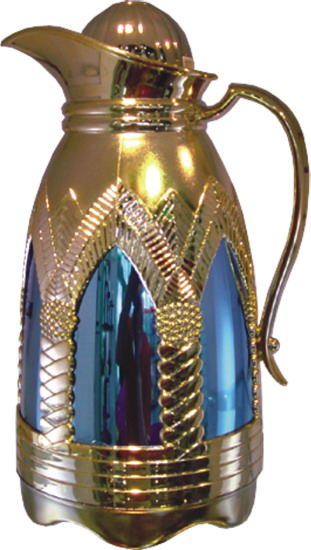
Coffee & Tea Urns
Source commercial-grade coffee and tea urns directly from vetted manufacturers and wholesale suppliers. Designed for hospitality distributors, catering equipment importers, and brands seeking OEM production, our network delivers reliable, high-volume manufacturing at competitive pricing.
Sourcing commercial beverage dispensers requires balancing thermal efficiency, electrical safety, and material durability. Whether you are supplying catering companies, outfitting hospitality chains, or building a private-label equipment brand, selecting the right manufacturing partner for coffee and tea urns dictates the lifespan, safety, and compliance of the final product.
Critical Specifications & Material Grades
The core of any commercial urn is its steel housing and heating infrastructure. Buyers must specify exactly what materials the factory should use, as default domestic market specifications rarely meet Western commercial standards.
Stainless Steel Selection
The choice of steel impacts both corrosion resistance and unit cost. While 201 stainless steel is common in budget models, 304 stainless steel is the standard for commercial food-contact surfaces due to its higher nickel content.
| Feature | Grade 201 Stainless | Grade 304 Stainless |
|---|---|---|
| Corrosion Resistance | Low to Moderate | High (Food Grade Standard) |
| Cost Profile | Budget-friendly | Premium (15-25% higher cost) |
| Ideal Application | Light duty, dry environments | Heavy commercial, high humidity |
| Durability against acidic tea/coffee | Prone to pitting over time | Highly resistant |
Wall Construction
Urns are typically manufactured with either single-wall or double-wall construction. Double-wall units offer superior thermal retention, reducing the energy required to keep beverages hot. More importantly for commercial environments, double-wall construction keeps the exterior cool to the touch, mitigating burn liabilities in self-service catering environments.
Ensure your urns meet commercial safety and durability standards. Let our team vet the right factory for your technical requirements.
Talk to our teamManufacturing Process & Quality Control
The highest failure rates in electric coffee and tea urns originate from the heating elements and internal thermostats. When evaluating a supplier, it is essential to verify their assembly and testing protocols. Relying on thorough Factory Audits before placing an order ensures the manufacturer has the testing equipment necessary to validate electrical safety under continuous load.
Key Inspection Points
During production, minor deviations in assembly can lead to catastrophic failures in the field. A rigorous Quality Control & Inspection protocol should verify the following:
Pre-Shipment Inspection Focus Areas
- Boil-dry protection: Thermostat must cut power immediately when water levels drop below the heating element.
- Spigot integrity: Flow rate testing and 24-hour leak testing using hot water.
- Welding seams: Internal base seams must be perfectly smooth and polished to prevent bacterial buildup and rust.
- Electrical grounding: Earth continuity testing to ensure commercial safety compliance.
- Thermostat calibration: Verifying that the 'keep warm' function maintains the specified temperature range (usually 85-90°C).
OEM Customization & Component Upgrades
For brands utilizing OEM/ODM Services, coffee and tea urns offer several avenues for customization beyond simple logo printing.
Upgrading the spigot is one of the most cost-effective ways to elevate the product. Standard plastic spigots are prone to dripping and snapping under heavy use. Specifying a two-way, non-drip metallic or heavy-duty resin spigot drastically improves the user experience. Additionally, buyers can customize the water level gauge, opting for reinforced glass over standard polycarbonate, and request concealed heating elements. Concealed elements sit beneath the base plate rather than inside the water chamber, which eliminates mineral scale buildup on the element itself and makes the urn significantly easier to clean.
Pricing, MOQs, and Production Lead Times
Understanding standard factory requirements helps in planning inventory and negotiating terms. Volume plays a significant role in unit pricing, especially when customizing internal components.
Ready to negotiate pricing and secure production capacity for your next volume order?
Get a free consultationFrequently Asked Questions
Successfully sourcing commercial coffee and tea urns requires looking past the polished exterior to scrutinize the electrical components, steel grades, and factory testing protocols. Partnering with experienced sourcing professionals ensures your specifications are met on the factory floor, protecting your brand's reputation in the demanding hospitality market.
Get Sourcing Help for Coffee & Tea Urns
Tell us your requirements and our experts will connect you with verified manufacturers.