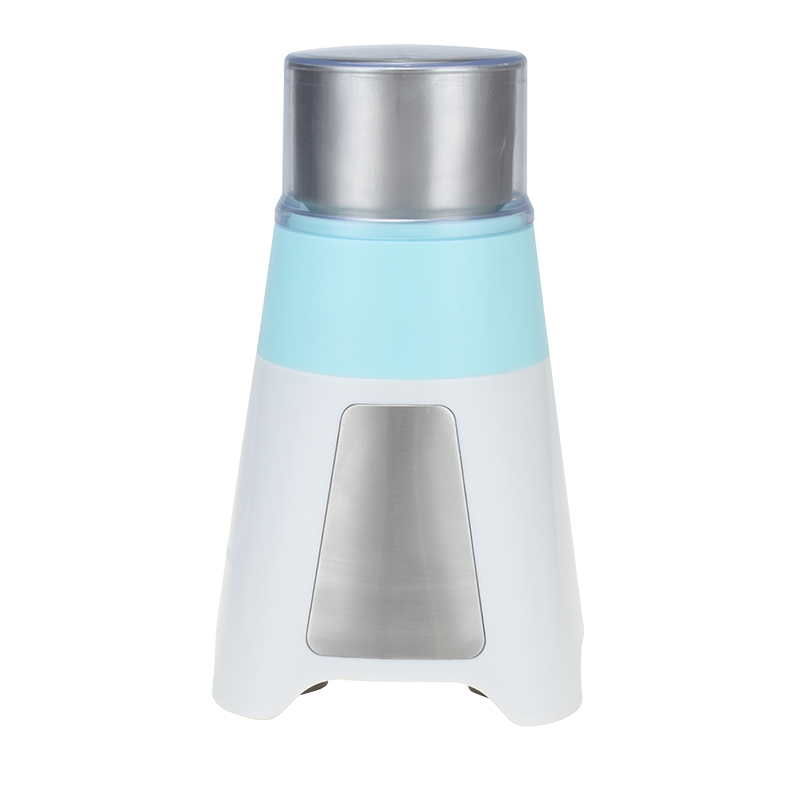
Coffee Grinders
Source premium coffee grinders from vetted suppliers and manufacturers across Asia. Designed for importers, wholesalers, and appliance brands, our network supports high-volume bulk orders and custom OEM/ODM production. Secure reliable manufacturing partners with stringent quality control and competitive wholesale pricing.
Sourcing coffee grinders at scale requires navigating a complex matrix of motor specifications, burr geometries, and material tolerances. The core challenge for volume buyers isn't just finding a factory that can assemble an appliance, but securing a manufacturer capable of maintaining precise burr alignment, consistent motor performance, and effective static reduction across thousands of units.
Core Specifications: Burrs, Motors, and Heat Management
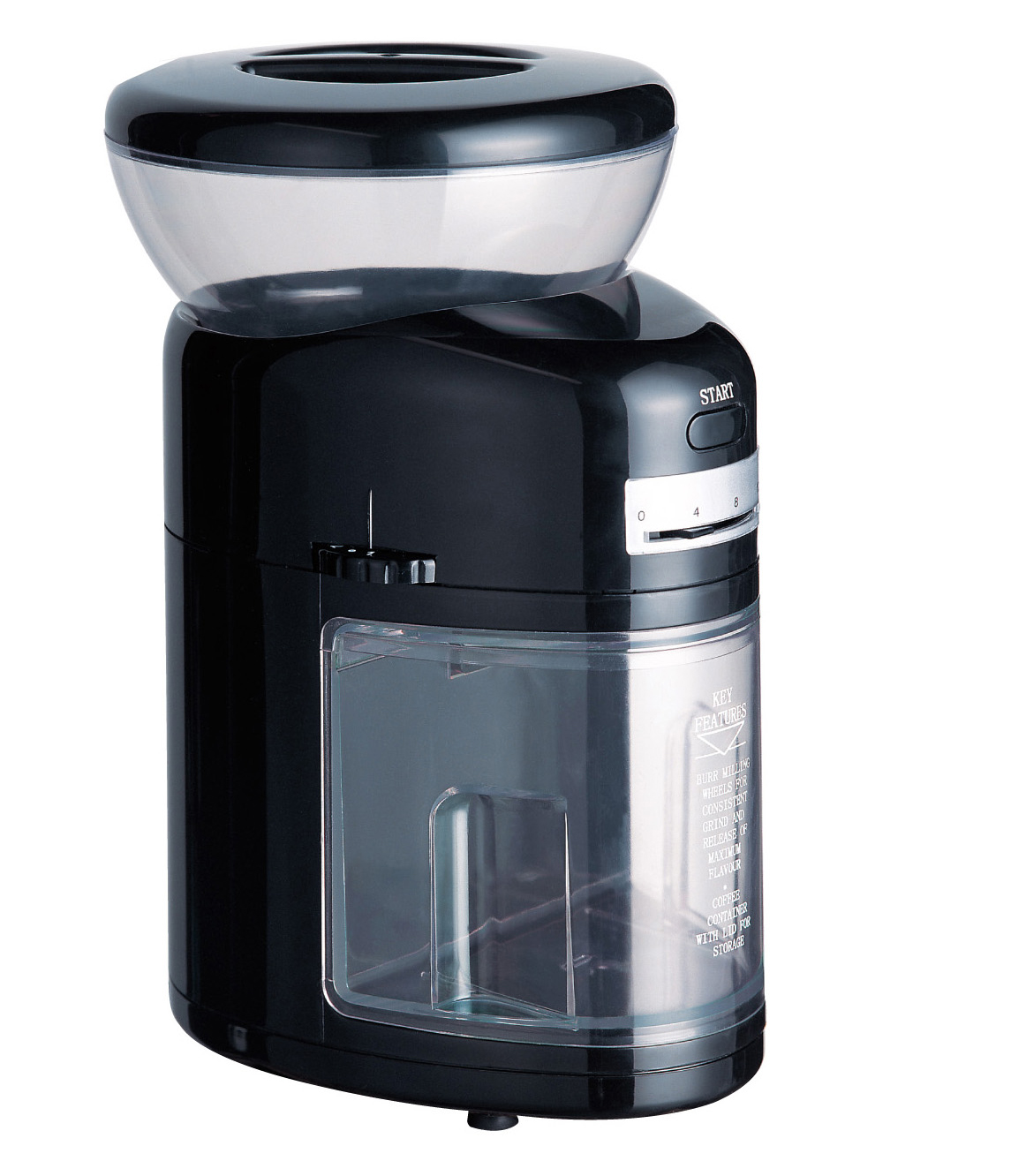
The heart of any high-quality coffee grinder is the interaction between the burr set and the drive motor. For specialty coffee applications, blade grinders are largely obsolete; the market demands precision burrs. When specifying a product with a manufacturer, the geometry, material, and motor pairing are your primary cost and performance drivers.
| Specification | Conical Burrs | Flat Burrs |
|---|---|---|
| Grind Profile | Bimodal (traditional espresso, high body) | Unimodal (pour-over, high clarity) |
| Typical RPM | Low (under 600 RPM) to reduce heat | High (up to 1400 RPM) requires cooling |
| Retention | Generally lower, straight-through path | Can be higher depending on chute design |
| Manufacturing Cost | Lower to moderate | Higher (requires stricter parallel alignment) |
Motor selection directly impacts heat generation, noise, and longevity. AC motors are common in commercial units for their durability, while high-torque DC motors are preferred in premium domestic grinders because they can deliver consistent power at lower RPMs. Keeping the RPM low is critical to prevent the coffee grounds from overheating and losing volatile aromatics during the grinding process.
Struggling to find a manufacturer that meets your strict burr tolerance and motor specifications?
Talk to our teamManufacturing Tolerances and Quality Control
Poor factory-level assembly leads to burr wobble (misalignment), which destroys grind uniformity and results in a cup of coffee that is simultaneously bitter and sour. When evaluating a factory, you must assess their machining capabilities for the drive shaft, bearings, and burr carriers.
A standard power-on test is insufficient for coffee grinders. Rigorous Quality Control & Inspection must be implemented on the factory floor to verify performance.
Critical Factory QC Checks for Grinders
- Concentricity and parallel alignment of the burr carriers (measured in microns).
- Particle Size Distribution (PSD) testing using standardized sieves to ensure grind uniformity.
- Static retention tests (measuring the weight of grounds retained in the chute).
- Thermal load testing (running the grinder continuously to measure motor and burr heat output).
- Acoustic testing to ensure operating noise remains within specified decibel limits.
To ensure the factory actually owns the precision CNC equipment required for these components—rather than outsourcing them to unverified sub-tier suppliers—conducting on-site Factory Audits before placing a volume order is highly recommended.
OEM/ODM Customization and Compliance
When utilizing OEM/ODM Services for coffee grinders, modifying the exterior housing (such as choosing die-cast aluminum over injection-molded ABS) is standard practice. However, true product differentiation in this competitive category comes from internal upgrades.
Brands often specify custom burr coatings (like Titanium Nitride for longevity and reduced friction) or integrate active anti-static technologies, such as ion generators near the exit chute, to minimize mess.
You must also ensure the factory understands global electrical and food-contact standards. A grinder destined for the European market requires different motor windings, CE marking, and RoHS compliance compared to a 110V UL-listed unit for North America. Engaging experts in Compliance & Testing early in the development cycle prevents costly customs rejections and product recalls.
Typical MOQs, Pricing, and Lead Times
Wholesale pricing is heavily dependent on the motor type, burr material (stainless steel SUS420 vs. ceramic), and housing construction. Entry-level ABS housing conical grinders might wholesale for lower price points, while precision-machined aluminum flat burr grinders with brushless DC motors command significant premiums.
Need accurate pricing and production schedules for your next bulk grinder order?
Get a free consultationFrequently Asked Questions
Successfully sourcing coffee grinders requires looking past the exterior design and deeply evaluating a manufacturer's machining tolerances and motor sourcing capabilities. Partnering with experienced sourcing professionals ensures your specifications translate accurately to the production line, resulting in a reliable product that meets the exacting standards of today's coffee consumers.
Get Sourcing Help for Coffee Grinders
Tell us your requirements and our experts will connect you with verified manufacturers.