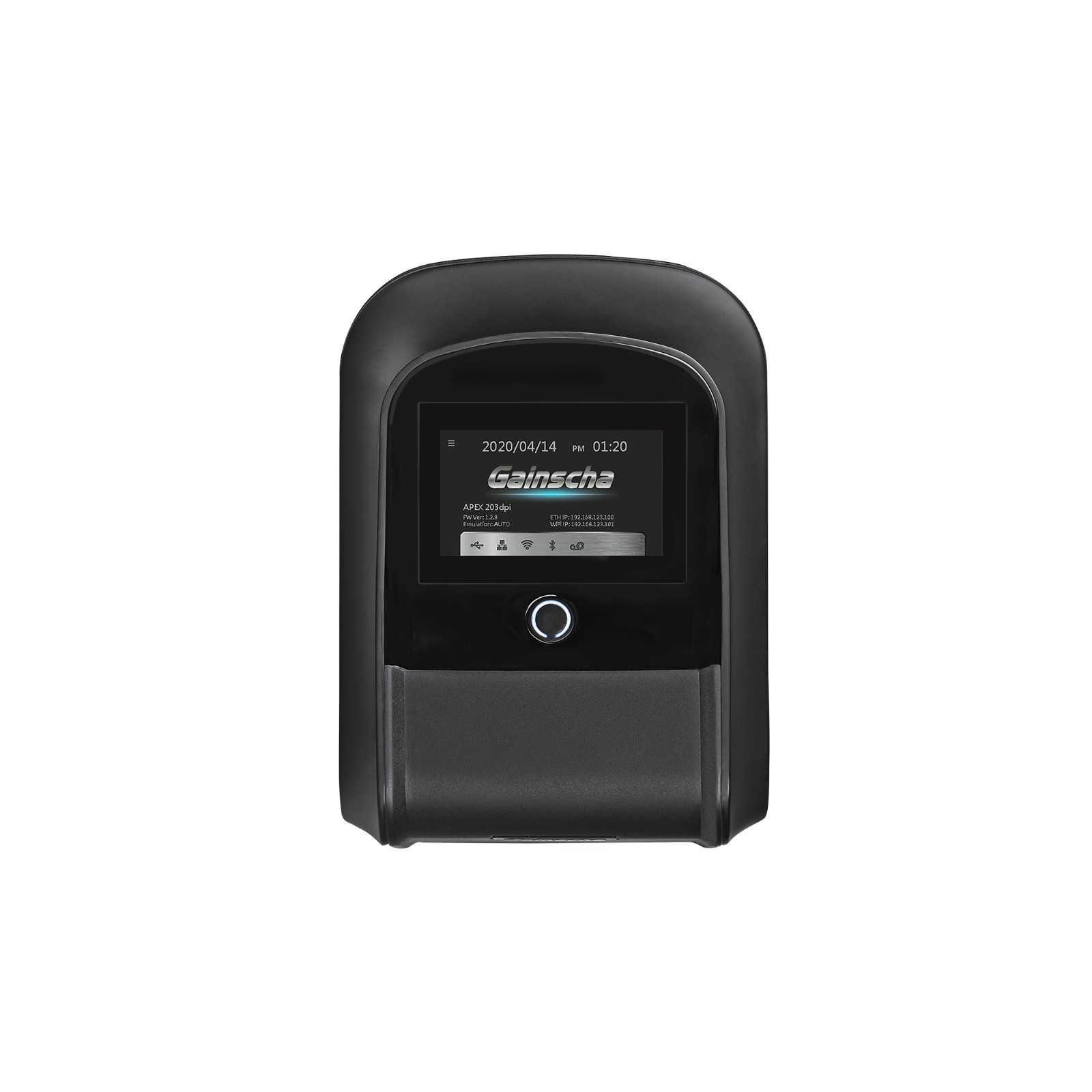
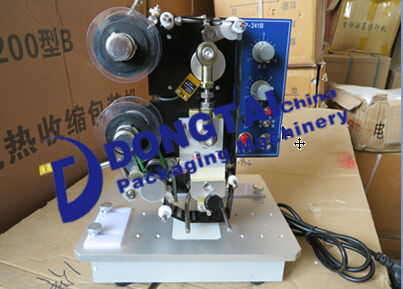
Coding Machines
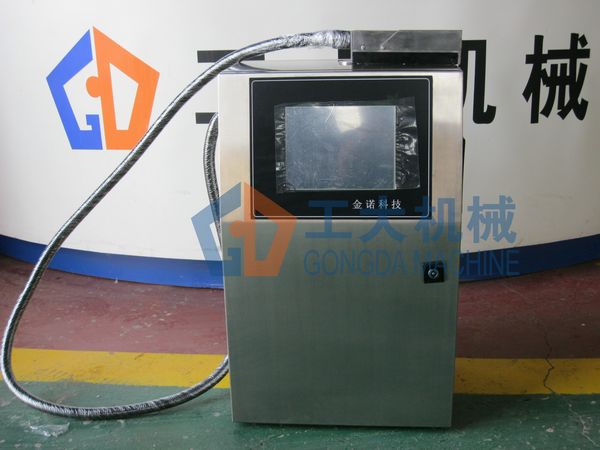
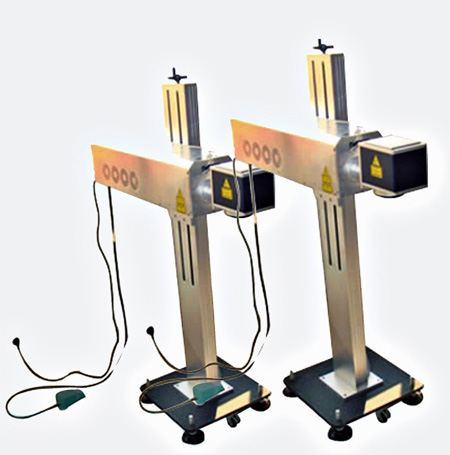
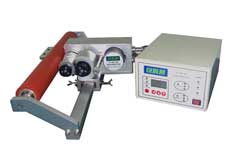
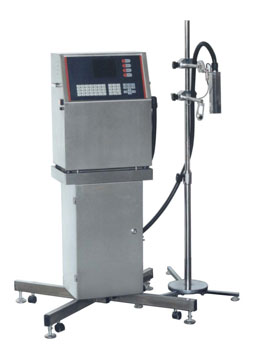
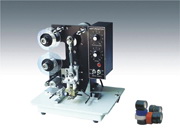
Source industrial Coding Machines from vetted suppliers and manufacturers. Designed for importers, distributors, and packaging machinery wholesalers, this category covers high-volume procurement and OEM production of inkjet, thermal, and laser coding equipment for reliable end-of-line traceability.
Sourcing industrial coding equipment requires balancing initial capital expenditure against long-term reliability. Whether you are importing Continuous Inkjet (CIJ) systems for beverage lines or Thermal Inkjet (TIJ) coders for pharmaceutical packaging, the core sourcing challenge lies in component authenticity and firmware stability. A machine that fails on a high-speed production line halts the entire operation, making supplier selection and technical verification critical for B2B buyers.
Core Technologies and Specification Requirements
The industrial coding market relies on a few dominant technologies, each suited to specific substrates and line speeds. When specifying requirements to overseas manufacturers, clarity on the target application prevents costly mismatches.
| Technology | Best For | Typical Print Speed | Consumables |
|---|---|---|---|
| Continuous Inkjet (CIJ) | High-speed curved or uneven surfaces | Up to 300 m/min | Ink and makeup solvent |
| Thermal Inkjet (TIJ) | High-resolution flat surfaces (cartons) | Up to 120 m/min | Ink cartridges only |
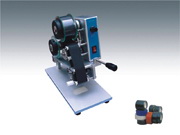
| Thermal Transfer (TTO) | Flexible films and labels | Up to 1000 mm/sec | Thermal ribbons |
| Laser Coders | Permanent marks on glass, PET, or metal | Extremely high | None (requires extraction) |
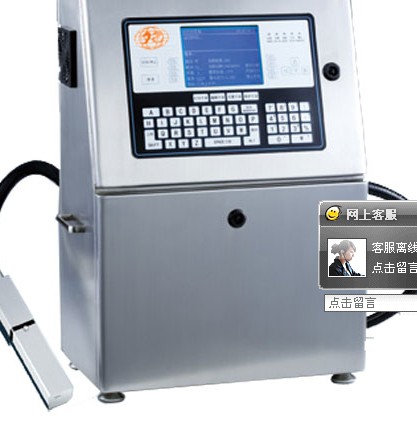
For inkjet systems, the printhead is the most critical and expensive component. Many Chinese manufacturers utilize imported printheads (such as HP, Funai, or Xaar) paired with domestically engineered mainboards and firmware. The quality of the machine heavily depends on how well the proprietary software drives these imported heads.
Ensure your coding machine suppliers meet rigorous technical standards with expert vetting and factory verification.
Talk to our teamManufacturing Quality and Component Verification
Not all assembly lines are equipped to handle precision industrial machinery. Poorly shielded internal wiring, unstable power supplies, or subpar firmware can lead to erratic printing, dropped characters, or complete system crashes in harsh factory environments. Conducting thorough Factory Audits is essential to verify a supplier's engineering capabilities and assembly standards before committing to a volume order.
Critical Quality Control Focus Areas
When defining your Factory Acceptance Test (FAT) or arranging Quality Control & Inspection, ensure the following parameters are rigorously checked:
Pre-Shipment Inspection Checklist for Coding Machines
- Verify printhead serial numbers to ensure authentic, non-refurbished components.
- Test firmware stability by running the machine at maximum rated speed for at least 4 hours.
- Validate I/O port functionality for seamless integration with PLCs, vision systems, and alarms.
- Confirm enclosure IP ratings (e.g., IP54 or IP65) through visual inspection of seals and gaskets.
- Check multi-language UI responsiveness and correct translation of error codes.
Software Integration
Many standard coding machines come with closed-source, basic firmware. If your end-users require integration with ERP or MES systems (via RS232, Ethernet, or custom protocols), this must be negotiated during the initial OEM/ODM specification phase, not as an afterthought.
Pricing, Lead Times, and Procurement Realities
Industrial packaging machinery operates on different procurement dynamics compared to consumer goods. Minimum Order Quantities (MOQs) are generally low, but customization demands—such as specific mounting brackets, custom software protocols, or localized power standards—can extend production timelines.
Pricing is driven primarily by the technology type and the origin of the core components. A TIJ printer utilizing a standard half-inch cartridge will be significantly cheaper than a high-speed IP65-rated CIJ printer. Furthermore, if you are importing into strictly regulated markets, ensuring the equipment meets electrical safety standards is non-negotiable. Utilizing Compliance & Testing services ensures your shipments won't be held up by customs due to missing CE or UL documentation.
Navigate pricing, customization, and factory negotiations with a dedicated sourcing partner.
Get a free consultationFrequently Asked Questions
Successful procurement of coding machines requires looking beyond the initial unit price. The true cost of ownership is dictated by component longevity, software reliability, and the availability of maintenance parts. Working with technically vetted manufacturers ensures that the equipment you import performs reliably on the production floor.
Get Sourcing Help for Coding Machines
Tell us your requirements and our experts will connect you with verified manufacturers.