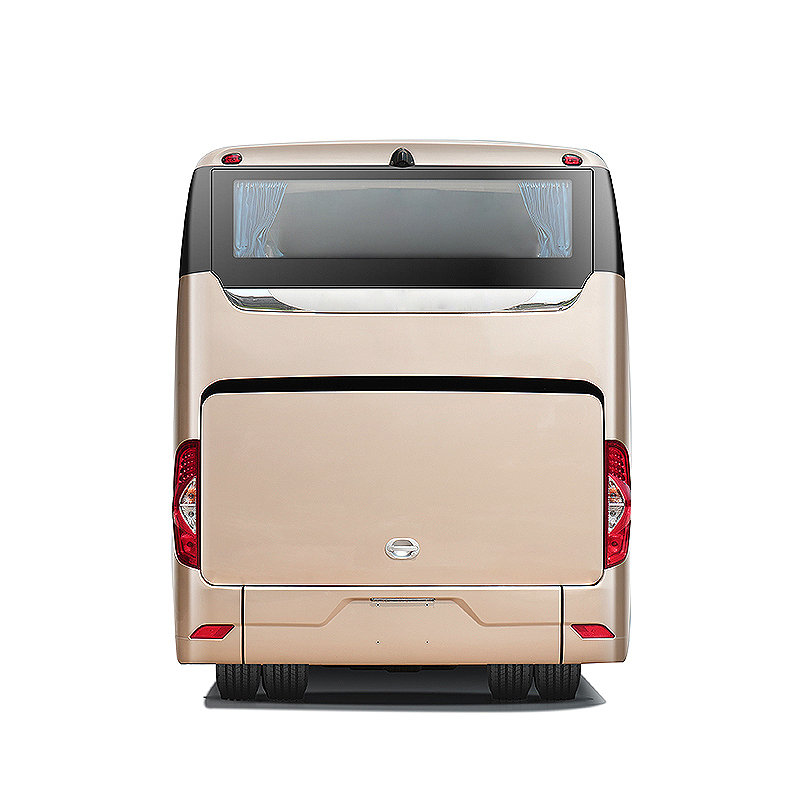
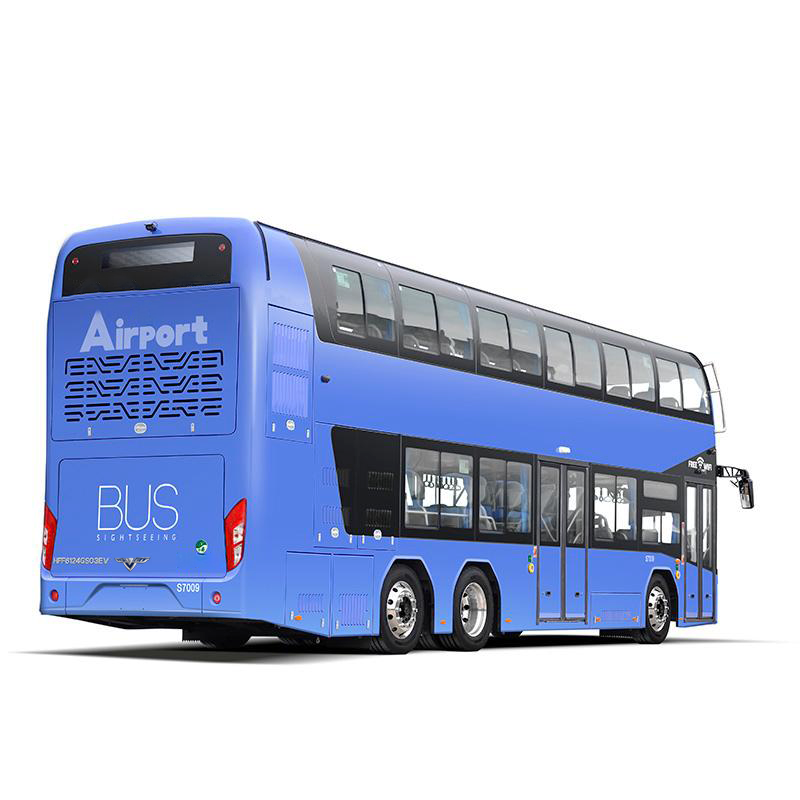
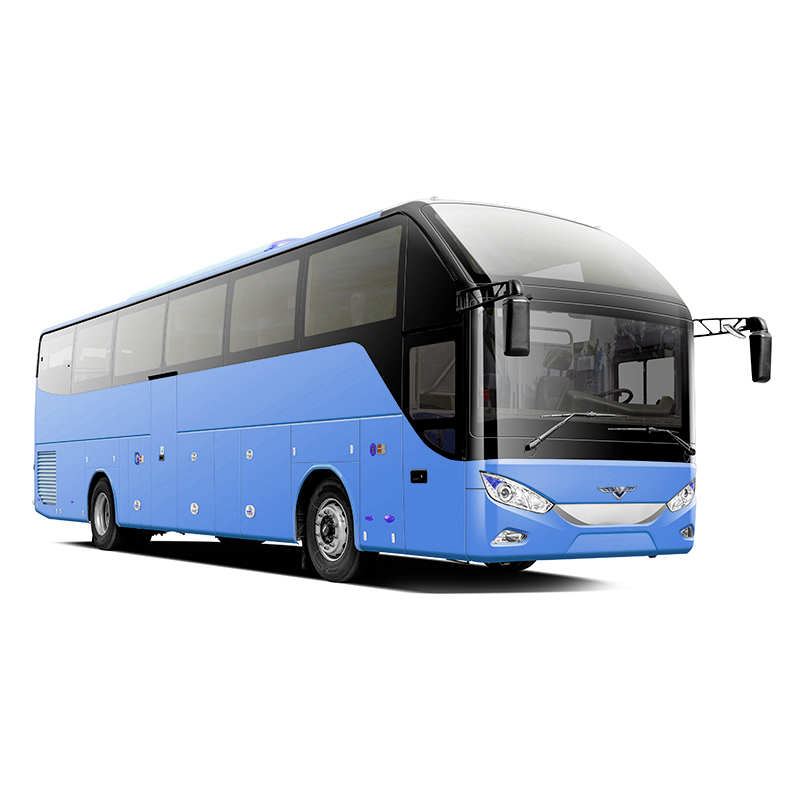
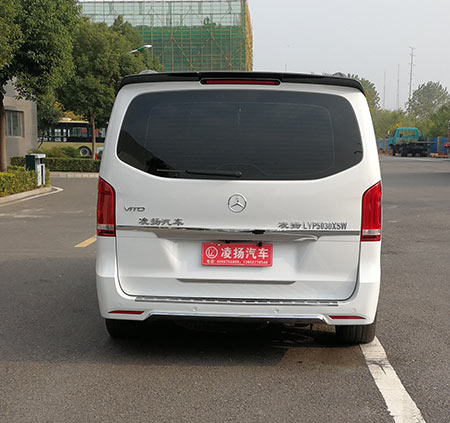
Coaches
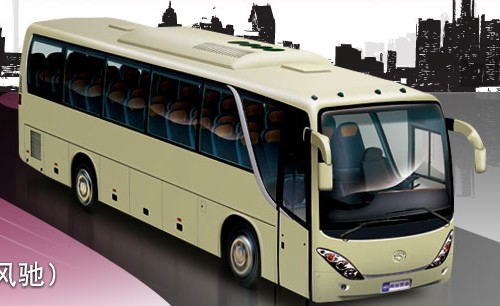
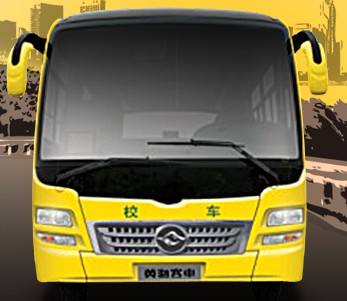
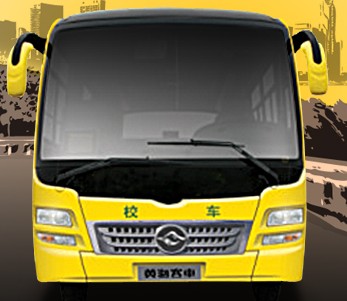
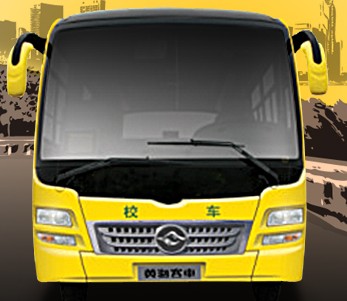
Source premium coaches from vetted manufacturers and wholesale suppliers across Asia. Designed for fleet operators, distributors, and importers, our network offers reliable, high-capacity vehicles tailored for long-distance transport. Whether you need standard models or OEM customization, find the right factory partners here.
Sourcing commercial passenger coaches requires navigating high capital expenditures, rigorous safety homologation, and complex manufacturing timelines. For fleet procurement managers and heavy-vehicle distributors, securing reliable manufacturing partners in Asia means balancing upfront vehicle costs with long-term operational durability and regional compliance. Success in this category demands deep technical oversight, from chassis selection to final port delivery.
Defining Key Coach Specifications
Procuring a coach is not an off-the-shelf transaction. Buyers must define exact specifications tailored to their local operating environment, topography, and regulatory framework. A supplier's capability to customize these core systems dictates their viability as a partner.
| Specification Category | Standard Configurations | Premium / Custom Options |
|---|---|---|
| Drivetrain | Euro III / IV Diesel, Manual Transmission | Euro VI Diesel, Battery Electric (BEV), Automatic |
| Chassis & Body | Body-on-frame, standard carbon steel | Monocoque construction, high-strength alloy |
| Suspension | Multi-leaf spring suspension | Electronically controlled air suspension (ECAS) |
| Braking Systems | Pneumatic dual-circuit, drum brakes | Disc brakes, ABS, ESC, and hydraulic retarders |
When evaluating a manufacturer, pay close attention to the provenance of critical components. Many top-tier Chinese coach builders utilize internationally recognized engines (e.g., Cummins, Yuchai) and transmissions (e.g., ZF, Allison), which dramatically simplifies aftermarket maintenance and parts sourcing in your destination country.
Manufacturing Standards and Factory Verification
The structural integrity and lifespan of a commercial coach are determined by the factory's fabrication and anti-corrosion processes. Evaluating a supplier requires looking beyond the finished showroom model and inspecting their production line. Conducting rigorous Factory Audits is essential to verify that the facility has the heavy machinery and quality systems required for commercial vehicle production.
Space Frame Welding
The foundation of a safe coach is its skeletal frame. Ensure the factory uses automated or robotic welding for critical stress points to guarantee consistent structural rigidity and compliance with rollover safety standards.
Cathodic Electrodeposition (CED)
Also known as electrophoresis, this full-body immersion process is critical for rust prevention. High-end factories will submerge the entire welded body into a CED bath, ensuring 10 to 15 years of anti-corrosion protection.
Assembly and Harnessing
Complex electrical and pneumatic systems are routed during assembly. Poor harnessing leads to electrical faults and fire risks. Wiring should be marine-grade, clearly labeled, and routed away from high-heat engine zones.
Procuring heavy commercial vehicles requires specialized engineering oversight. Ensure your factory partner meets international safety standards before production begins.
Talk to our teamHomologation and Market Compliance
Importing coaches requires strict adherence to local homologation rules. A vehicle that cannot be registered is a total loss. You must ensure the manufacturer can build to your market's exact legal requirements, which often involves coordinating with third-party agencies for Compliance & Testing.
Critical Compliance Checks
- Emissions Standards: Ensure engine certification matches local mandates (e.g., Euro V, Euro VI, or EPA standards).
- Rollover Structural Strength: Verify compliance with standards like UN ECE R66.
- Lighting and Glass: Check that all glazing and exterior lighting carry appropriate DOT or E-marks.
- Right-Hand vs. Left-Hand Drive: Confirm the factory's engineering capability for your steering orientation, including door placement and mirror configurations.
Buying Mechanics: MOQs, Pricing, and Logistics
Unlike consumer goods, commercial vehicles have highly flexible order minimums, but the logistics of moving them internationally are complex.
Shipping commercial coaches requires specialized freight solutions. They cannot be loaded into standard dry shipping containers. Instead, they are transported via Roll-on/Roll-off (RoRo) vessels or secured to flat rack containers. Securing space on RoRo vessels can be highly competitive and subject to seasonal bottlenecks. Partnering with a logistics provider experienced in heavy Shipping & Freight is critical to avoid port delays and secure favorable freight rates.
Navigating RoRo shipping schedules and heavy vehicle customs clearance is complex. Let us manage your logistics end-to-end.
Get a free consultationSuccessfully importing commercial coaches hinges on aligning technical specifications with rigorous factory vetting and precise logistics. By prioritizing structural integrity and market compliance from day one, fleet operators can minimize total cost of ownership and ensure reliable service for years to come. If you need experienced oversight to manage your heavy vehicle procurement, our team is ready to assist.
Get Sourcing Help for Coaches
Tell us your requirements and our experts will connect you with verified manufacturers.