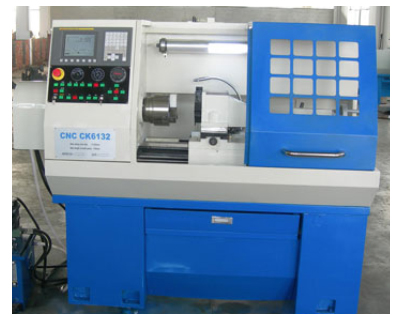
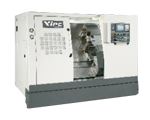
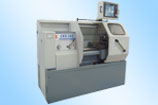
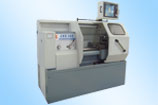
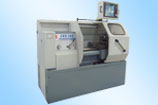
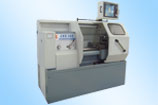
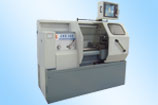
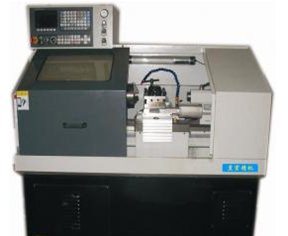
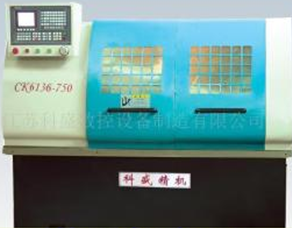
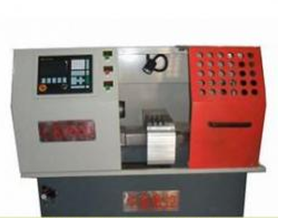
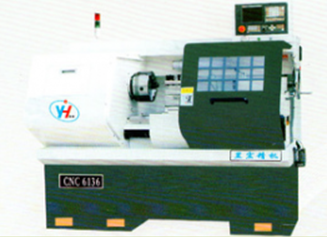
CNC Lathes
Source high-precision CNC lathes from vetted suppliers and manufacturers across Asia. Designed for importers, machinery wholesalers, and procurement managers, our network provides reliable bulk purchasing and custom OEM manufacturing. Secure competitive pricing and reliable quality for your industrial machine tool supply chain.
Sourcing CNC lathes at scale requires balancing rigid mechanical foundations with high-precision electronics. For machinery wholesalers and industrial distributors, the primary challenge lies in verifying that a manufacturer’s internal assembly and testing processes match their specification sheets, ensuring long-term repeatability and minimal downtime for the end user.
Core Specifications and Configurations
When negotiating with machine tool manufacturers, the structural design and component selection dictate the machine's capabilities and price point. Buyers must clearly define the bed architecture, guideway type, and controller ecosystem.
| Architecture | Slant Bed CNC Lathe | Flat Bed CNC Lathe |
|---|---|---|
| Structural Rigidity | Exceptional; resists thermal distortion | Standard; suitable for heavy, large workpieces |
| Chip Evacuation | Gravity-assisted, ideal for high-volume production | Requires manual or conveyor assistance |
| Guideways | Typically linear guideways for high speed | Often box/hardened ways for heavy cutting |
| Target Market | High-speed precision component manufacturing | General turning, economical batch work, maintenance |
Beyond the bed type, specify the exact CNC controller required. While Chinese manufacturers often default to domestic controllers like GSK or SYNTEC to keep costs low, export-focused factories can easily integrate FANUC, Siemens, or Mitsubishi systems. Ensure the spindle motor power (kW), maximum turning diameter, and X/Z axis travel perfectly align with your target market's demands.
Evaluating CNC machine tool factories requires deep technical expertise. Let us handle the factory vetting and specification matching.
Talk to our teamManufacturing Tolerances and Quality Control
The longevity of a CNC lathe is determined long before the electronics are installed. The foundation of any reliable machine tool is its casting. Factories must properly age the cast iron—either naturally over several months or via thermal/vibration stress relief—to prevent the bed from warping after machining.
Where quality is won or lost on the factory floor:
- Guideway Scraping: High-end manufacturers still rely on manual hand-scraping for box ways to ensure optimal oil retention and geometric accuracy.
- Spindle Assembly: Must be assembled in a temperature-controlled cleanroom to prevent contamination of the high-precision bearings.
- Calibration: Every machine must undergo laser interferometer testing for positioning accuracy and ballbar testing for circularity.
Relying solely on a factory's word for these metrics is risky. Implementing independent Quality Control & Inspection prior to shipment is critical to verify runout, repeatability, and software integration. Furthermore, conducting thorough Factory Audits ensures the supplier actually possesses the cleanrooms and testing equipment they claim, rather than just assembling outsourced parts in a warehouse.
MOQs, Lead Times, and Logistics
Purchasing industrial machinery operates on different scales than consumer goods. MOQs are highly flexible, but lead times can stretch depending on component availability (such as imported turrets or specialized controllers).
Shipping CNC lathes requires specialized logistics. Depending on the machine's footprint and weight, it may require open-top containers, flat racks, or standard 40HQ containers with heavy-duty lashing and moisture-barrier packaging. Coordinating Shipping & Freight for heavy machinery requires precise weight distribution planning and customs documentation to avoid port delays.
Managing heavy machinery logistics and pre-shipment testing is complex. Partner with us to streamline your entire supply chain.
Get a free consultationFrequently Asked Questions
Securing a reliable supply of CNC lathes requires looking past the spec sheet and scrutinizing the factory's casting, assembly, and calibration processes. By partnering with experienced sourcing professionals, you can mitigate quality risks and build a highly profitable machinery import program.
Get Sourcing Help for CNC Lathes
Tell us your requirements and our experts will connect you with verified manufacturers.