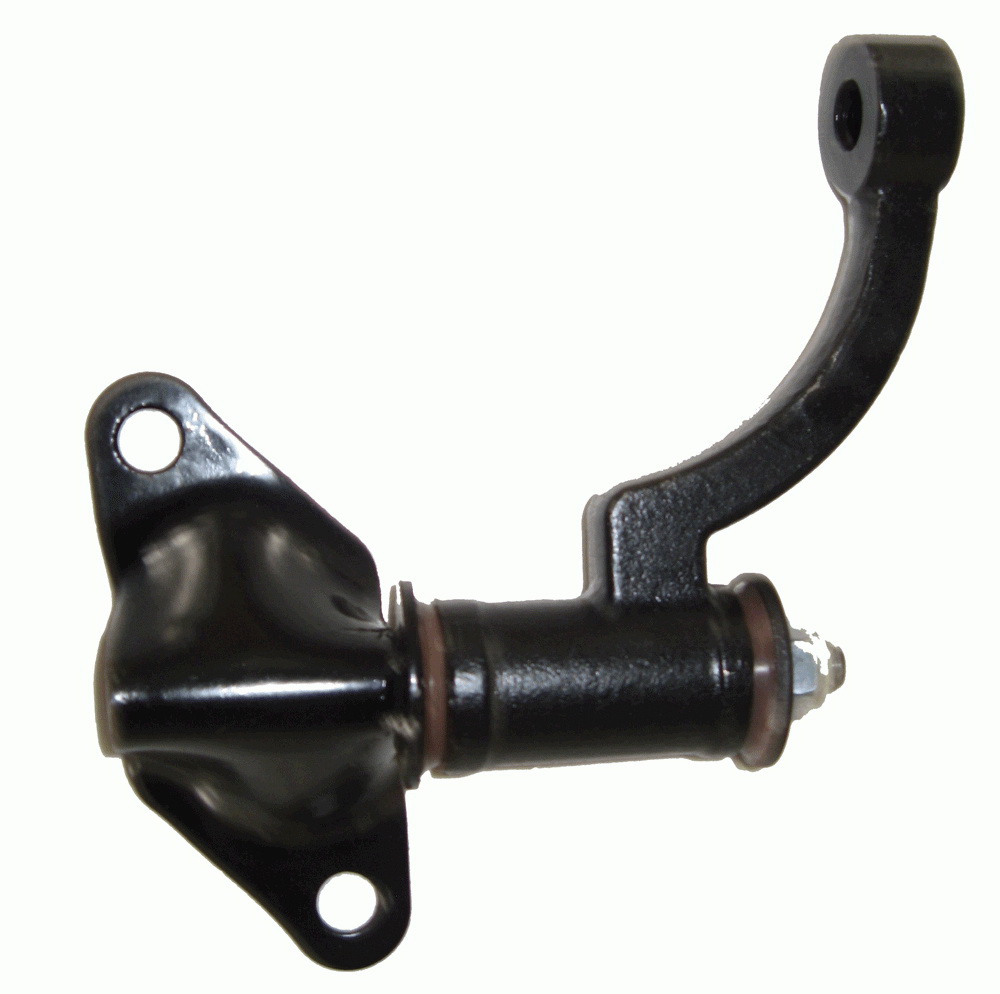
Clutch Slave Cylinders
Source premium clutch slave cylinders directly from vetted manufacturers and suppliers in Asia. Designed for automotive parts distributors, wholesalers, and aftermarket brands requiring reliable bulk supply or OEM/ODM production. Secure competitive wholesale pricing with rigorous quality control.
Sourcing clutch slave cylinders in volume requires navigating a fragmented automotive aftermarket supplier base where the line between premium durability and rapid failure is often invisible to the naked eye. Because these components govern hydraulic clutch actuation, a supplier's capability is entirely dependent on their precision machining, seal material science, and end-of-line testing protocols.
Critical Specifications for Bulk Purchasing
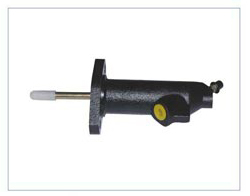
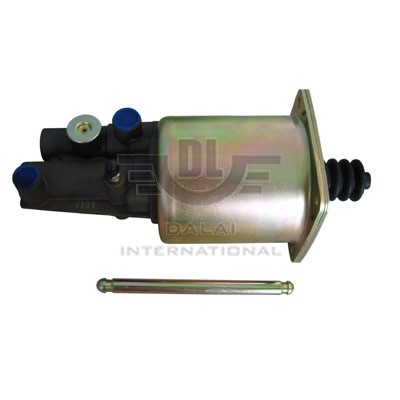
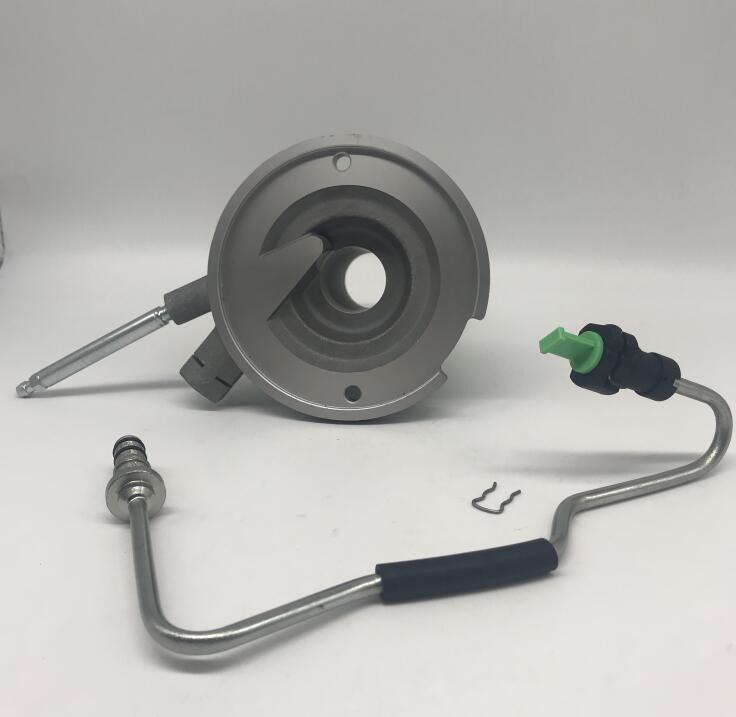
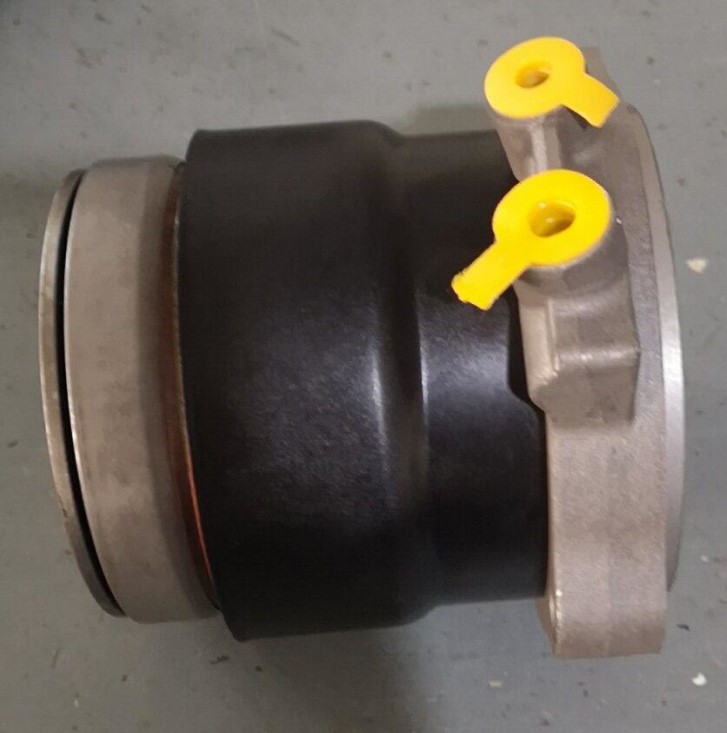
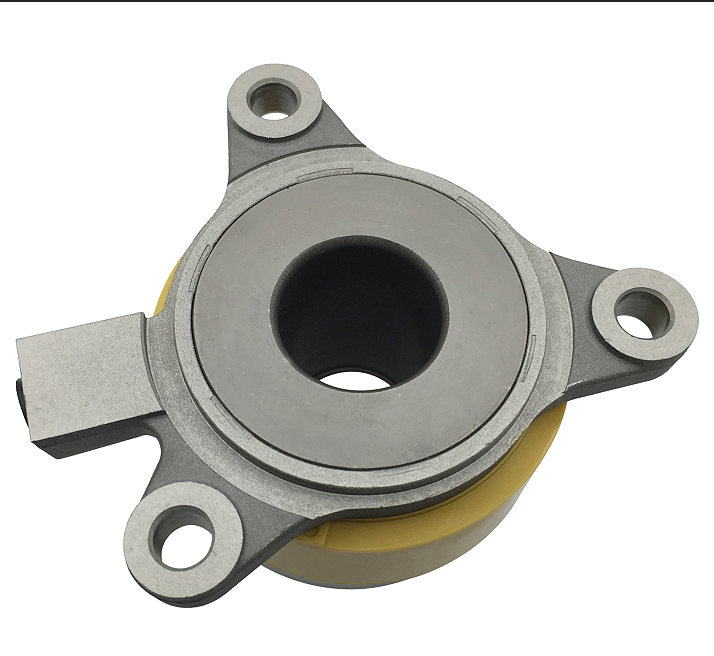
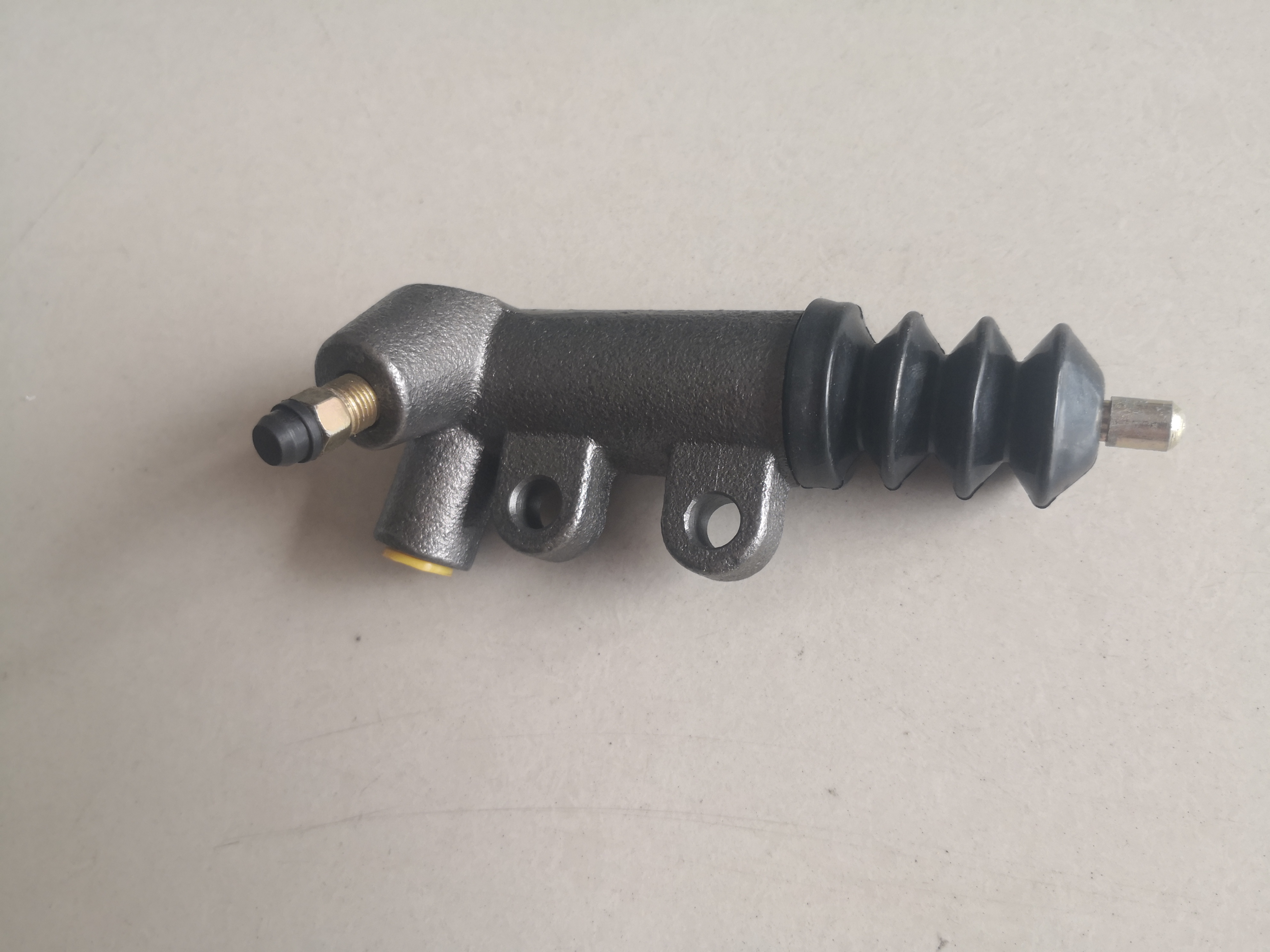
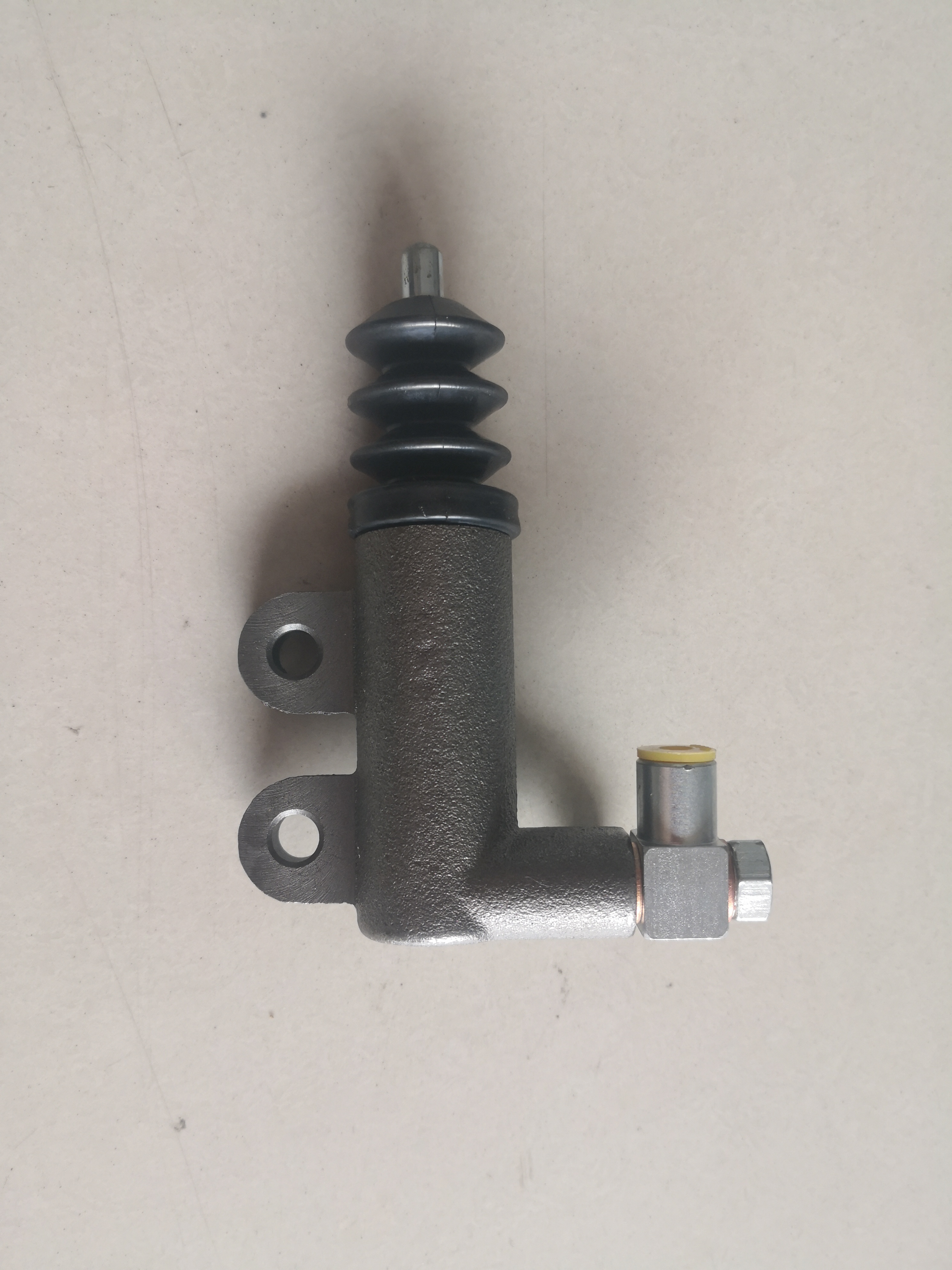
When evaluating a manufacturer's catalog or submitting technical drawings for OEM/ODM production, the specifications you mandate will dictate both the unit cost and the warranty return rate. External slave cylinders and internal Concentric Slave Cylinders (CSCs) demand rigorous material standards.
Body Material and Bore Finish
The internal bore of the cylinder must have a precise micro-finish (typically Ra 0.4 to 0.8 micrometers) to ensure the piston seal glides smoothly without premature abrasion or fluid bypass.
| Material | Application | Manufacturing Considerations |
|---|---|---|
| Cast Iron | Heavy-duty commercial vehicles, older passenger cars | Requires excellent anti-corrosion coating (e.g., zinc plating). High durability but heavier. |
| Cast Aluminum | Modern passenger vehicles, light trucks | Requires high-precision CNC machining to prevent porosity issues in the casting. |
| Engineered Plastics | Late-model passenger vehicles (CSCs) | Demands precise injection molding parameters to withstand high hydraulic pressures without warping. |
Seal Integrity and Fluid Compatibility
The primary point of failure in any hydraulic cylinder is the rubber seal. Seals must be manufactured from high-grade EPDM (Ethylene Propylene Diene Monomer) to ensure compatibility with DOT 3, DOT 4, and DOT 5.1 brake fluids. Using inferior rubber compounds or NBR (Nitrile) will result in swelling, degradation, and catastrophic hydraulic failure when exposed to glycol-based fluids.
Struggling to verify the material grades of your current automotive parts suppliers? Let our sourcing engineers audit your supply chain and connect you with factories that meet strict OEM standards.
Talk to our teamManufacturing and Quality Control Standards
A reliable clutch slave cylinder manufacturer doesn't just assemble parts; they control the environment in which those parts are built. Dust and particulate matter introduced during assembly will score the bore or compromise the seal.
When conducting factory audits, evaluate the supplier on the following manufacturing controls:
Factory Floor Evaluation Checklist
- Clean-room or isolated assembly environments to prevent particulate contamination.
- Automated CNC machining centers with in-line bore micro-finish measurement.
- 100% end-of-line pneumatic or low-pressure hydraulic leak testing.
- Traceability protocols (batch stamping or laser etching) for warranty tracking.
- In-house salt spray testing capabilities for external anti-corrosion coatings.
Relying solely on a factory's self-reported defect rate is risky. Implementing independent quality control inspections prior to container loading is the most effective way to catch machining defects or seal installation errors before they reach your warehouse.
Sourcing Realities: MOQs, Pricing, and Lead Times
Automotive hydraulic components are highly SKU-intensive. Manufacturers typically require minimum order quantities (MOQs) per specific part number to justify the setup time on their CNC machines and assembly lines.
Pricing is heavily influenced by the raw material index (aluminum and iron) and the complexity of the unit. Concentric Slave Cylinders (CSCs), which integrate the release bearing with the hydraulic cylinder, command higher wholesale prices and require more sophisticated assembly capabilities than traditional external slave cylinders.
Managing a complex catalog of automotive SKUs? We handle the end-to-end product sourcing process, consolidating orders from multiple specialized factories to optimize your freight and unit costs.
Get a free consultationBuyer FAQ
Successfully importing clutch slave cylinders requires looking past the surface finish of the exterior casting and validating the engineering of the internal seals and bore. Partnering with manufacturers who prioritize clean assembly and rigorous end-of-line testing is the only way to protect your brand's reputation in the competitive automotive aftermarket.
Get Sourcing Help for Clutch Slave Cylinders
Tell us your requirements and our experts will connect you with verified manufacturers.