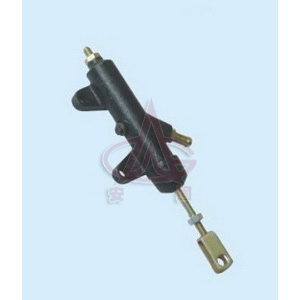
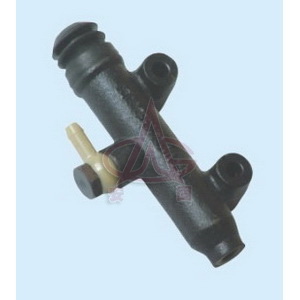
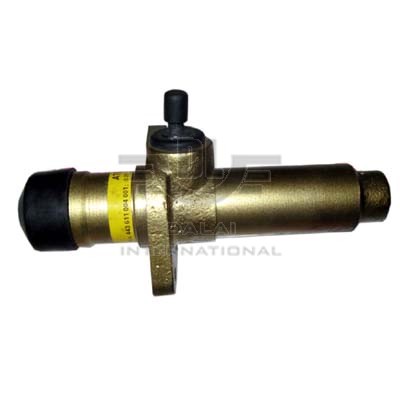
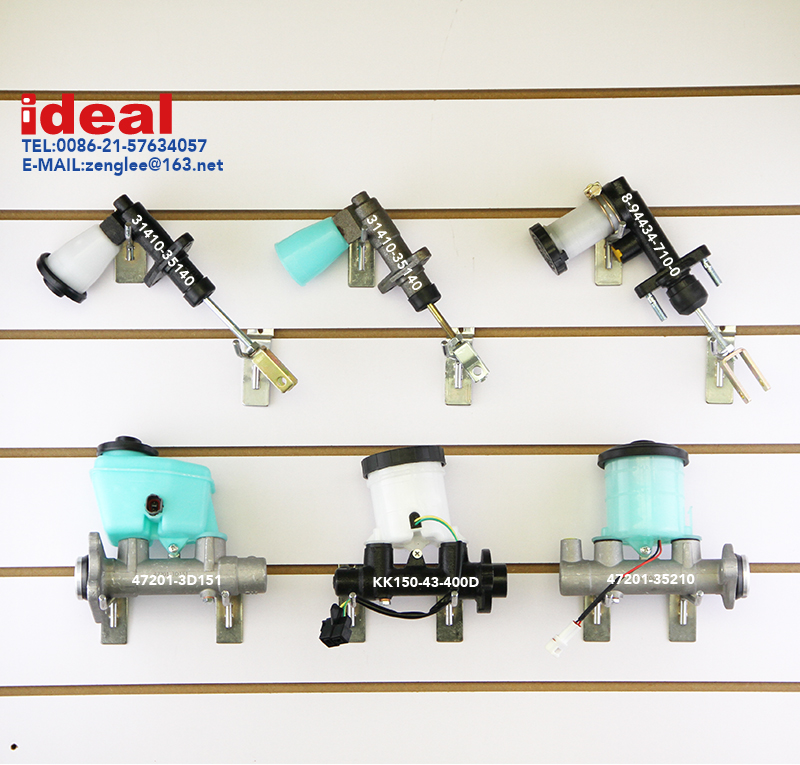
Clutch Master Cylinders
Source high-quality Clutch Master Cylinders from vetted manufacturers and suppliers in China and across Asia. Designed for automotive parts importers, wholesale distributors, and aftermarket brands seeking reliable OEM or private-label production. Secure competitive bulk pricing with assured quality control.
Sourcing automotive clutch master cylinders in volume requires a strict balance between hydraulic precision and manufacturing scalability. For importers and aftermarket brands, the core challenge lies in securing consistent bore finishes and seal integrity across thousands of units. Even microscopic machining deviations on the factory floor can lead to premature hydraulic failure, fluid bypass, or unacceptable pedal feel for the end user.
Critical Specifications & Material Selection
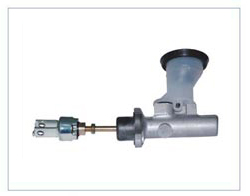
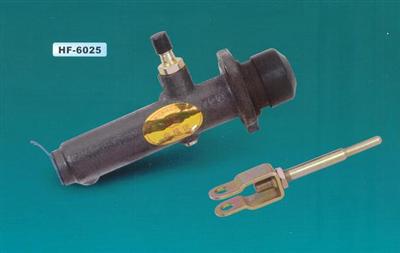
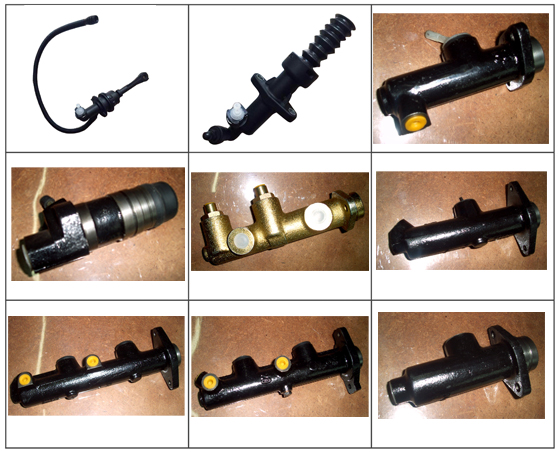
When defining your product requirements with a manufacturer, the body material dictates not only the unit cost but also the tooling requirements and thermal performance. Modern clutch master cylinders are typically manufactured from three primary materials, each suited to different aftermarket or OEM replacement tiers.
| Material | Typical Application | Machining Complexity | Cost Profile |
|---|---|---|---|
| Cast Iron | Heavy-duty & older commercial vehicles | Low (requires rust inhibition) | Lowest |
| Cast Aluminum | Modern passenger vehicles & light trucks | Medium (requires precise honing) | Moderate |
| Injection-Molded Polymer | Late-model OEM replacements | High (complex tooling required) | High initial tooling, low unit cost |
Beyond the housing material, you must specify exact bore diameters (e.g., 5/8 inch, 3/4 inch, or metric equivalents), stroke lengths, and port thread pitches (such as M10x1.0). For polymer bodies, ensure the factory uses high-grade glass-reinforced plastics (like PA66+GF33) to withstand engine bay temperatures and constant hydraulic pressure.
Manufacturing Tolerances & Quality Control
The lifespan of a clutch master cylinder is determined almost entirely by the interaction between the internal rubber seals and the cylinder bore. If the bore is too rough, the seals will tear; if it is too smooth, it will not retain enough fluid to lubricate the seal, leading to dry friction and failure.
Bore honing is the critical step. The internal surface finish typically needs to be maintained at an Ra (Roughness Average) of 0.2 to 0.4 micrometers. Verifying a factory's capability to measure and maintain this tolerance is essential.
Factory Capability Checklist for Hydraulic Cylinders
- Verify in-house CNC machining and automated honing equipment.
- Ensure they use coordinate measuring machines (CMM) and surface roughness testers.
- Check for 100% pneumatic or hydraulic pressure leak testing on the assembly line.
- Confirm the use of EPDM (Ethylene Propylene Diene Monomer) for all seals exposed to DOT 3/4/5.1 brake fluid.
- Audit their incoming material inspection, particularly for outsourced rubber components.
Relying on a supplier's word for these technical capabilities carries significant risk. Conducting rigorous Factory Audits before placing an order ensures the manufacturer actually possesses the testing equipment they claim. Furthermore, implementing strict Quality Control & Inspection protocols prior to shipment is vital to catch out-of-spec batches before they leave the factory.
Managing hydraulic component sourcing requires strict oversight. Let Merhein handle factory vetting, technical negotiation, and production monitoring for your aftermarket parts.
Talk to our teamSourcing Realities: MOQs, Pricing, and Lead Times
Pricing for clutch master cylinders is driven by raw material costs, the origin of the internal seals (Japanese or German seals command a premium but drastically reduce warranty claims), and the complexity of the casting.
If you are developing a proprietary design or modifying an existing part for a specific performance application, you will need to engage in OEM/ODM Services. Custom casting molds for aluminum bodies typically range from $2,000 to $5,000, depending on complexity, while plastic injection molds for polymer bodies require a significantly higher upfront investment.
Need to establish reliable supply lines for aftermarket transmission parts? Merhein can negotiate MOQs, manage tooling development, and oversee your supply chain.
Get a free consultationFrequently Asked Questions
When sourcing clutch master cylinders in bulk, the true cost of a poorly manufactured part is realized not on the invoice, but in warranty claims and brand damage. Prioritizing suppliers with verifiable in-house machining, strict honing tolerances, and premium seal sourcing is the only way to build a profitable and reliable aftermarket parts program.
Get Sourcing Help for Clutch Master Cylinders
Tell us your requirements and our experts will connect you with verified manufacturers.