Clutch
Source premium automotive clutches directly from vetted manufacturers and suppliers. Designed for importers, wholesale distributors, and aftermarket brands seeking reliable OEM and private-label production. Ensure strict performance standards and competitive bulk pricing across your supply chain.
Sourcing automotive clutches in bulk requires navigating stringent performance tolerances, friction material formulations, and dynamic balancing requirements. The challenge isn't merely locating a factory with available capacity; it is securing a manufacturing partner capable of maintaining exact clamping forces and consistent quality control across high-volume production runs, ensuring the final product meets the rigorous demands of the global aftermarket.
Core Specifications and Material Selection
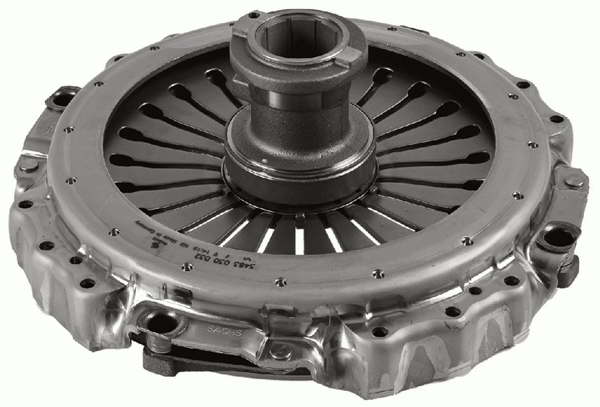
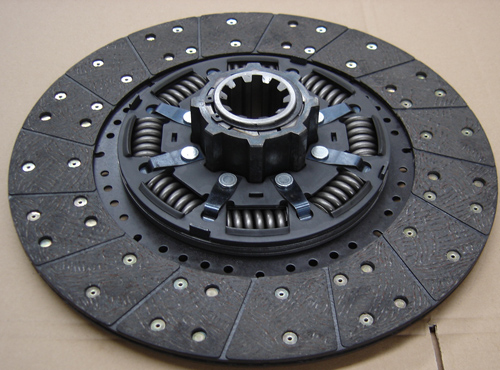
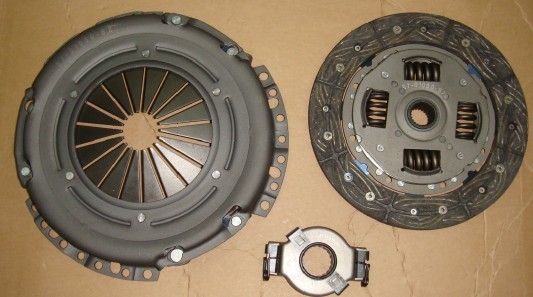
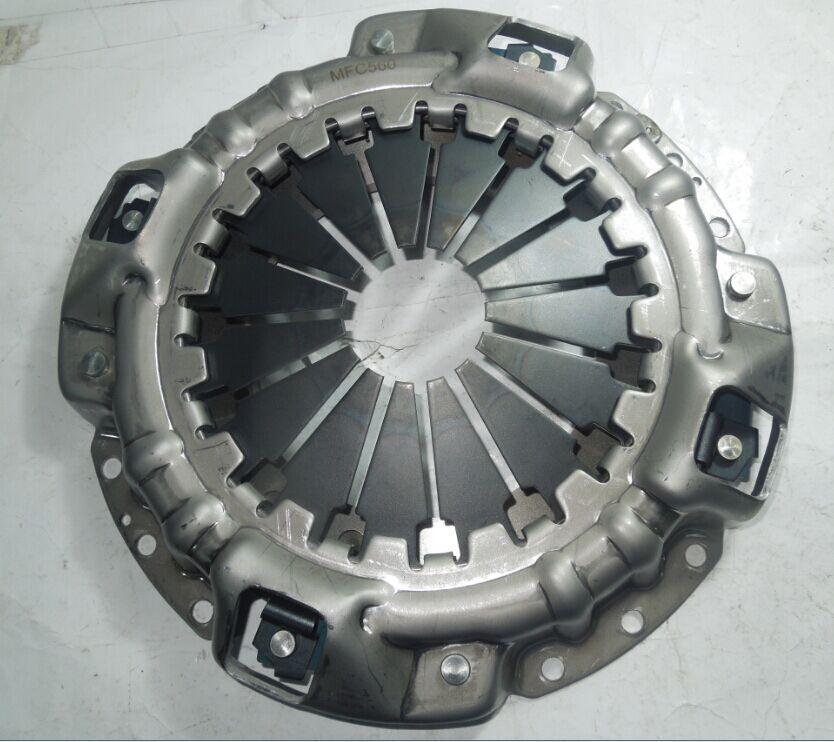
The performance and longevity of a clutch assembly hinge on the friction material and the metallurgical properties of the pressure plate and diaphragm spring. When specifying requirements for bulk orders, buyers must define the target torque capacity and engagement characteristics to match the intended vehicle application.
| Material Type | Friction Coefficient | Heat Tolerance | Typical Application |
|---|---|---|---|
| Organic (NAO) | 0.25 to 0.35 | Standard | Daily passenger vehicles |
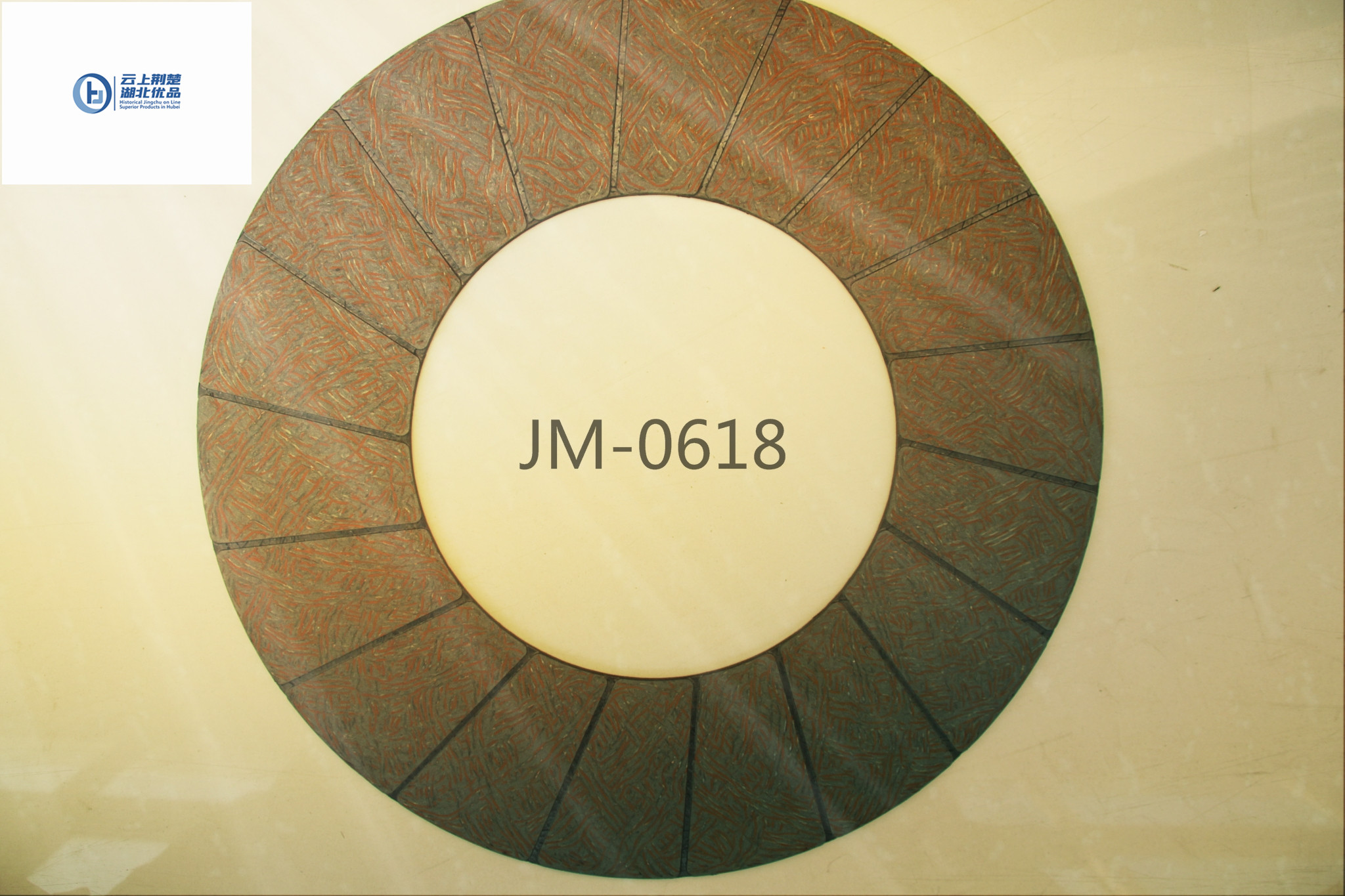
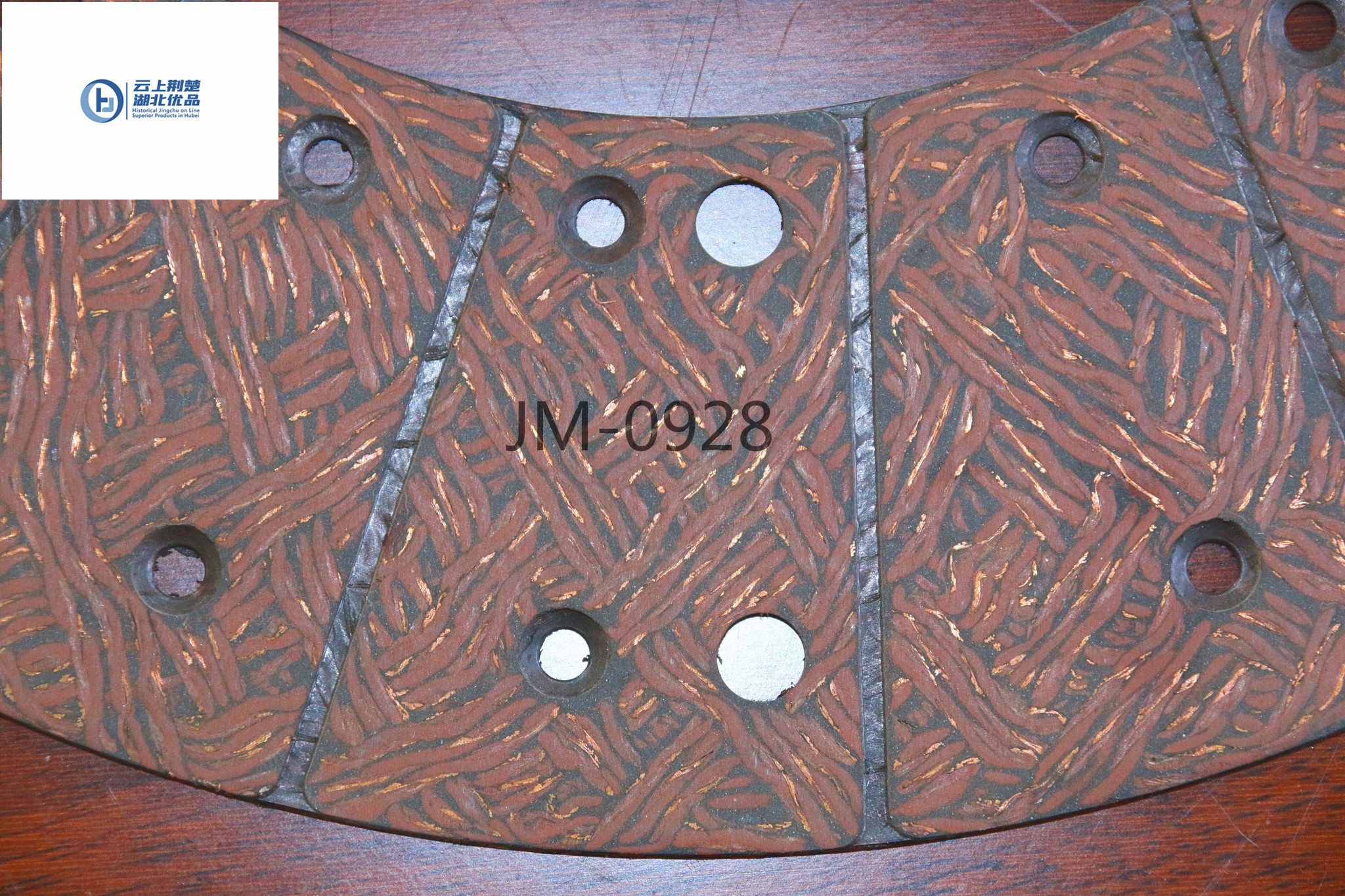
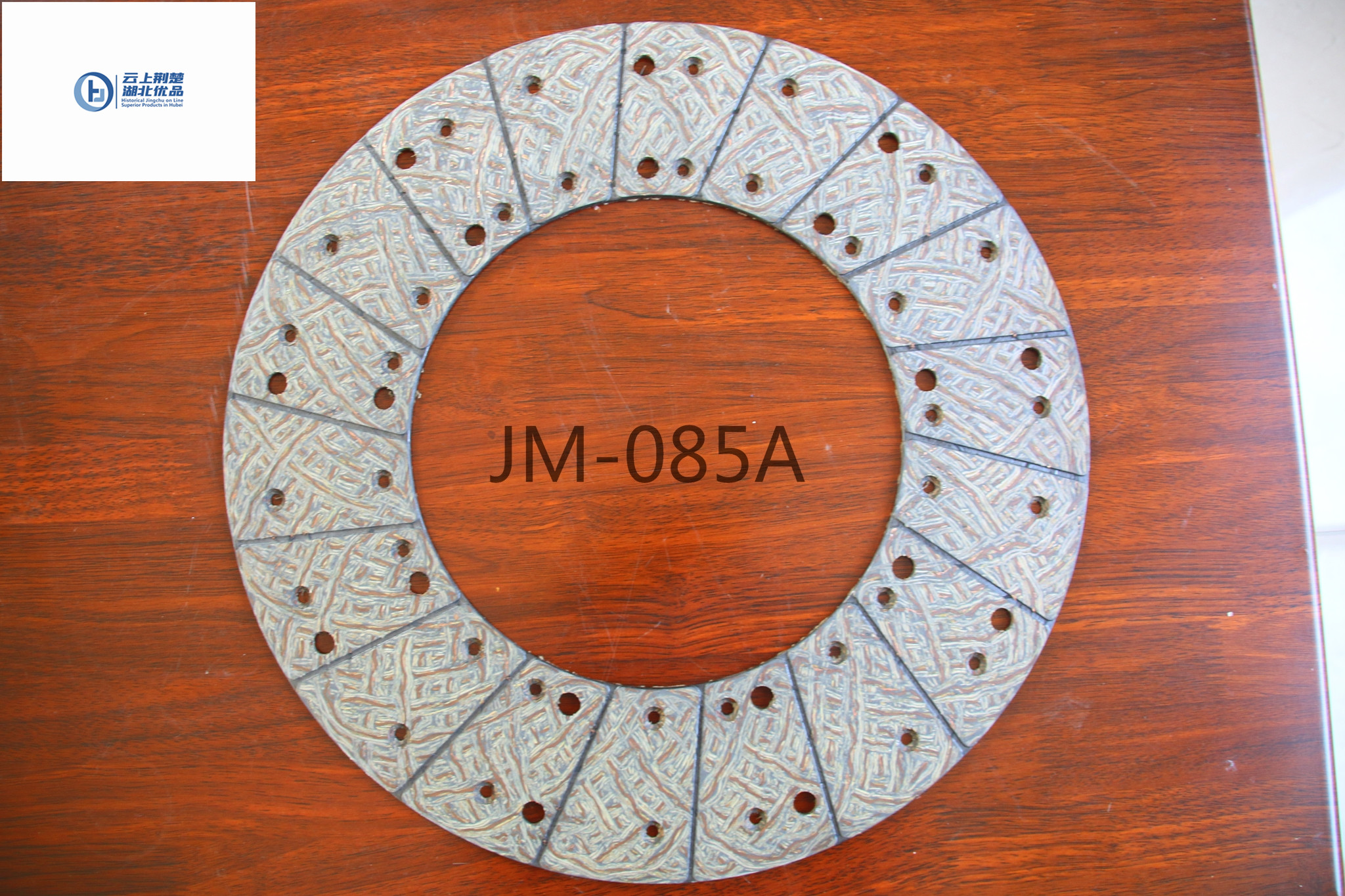
| Ceramic / Sintered | 0.35 to 0.50 | High | Heavy-duty and commercial |
| Kevlar / Aramid | 0.35 to 0.45 | Very High | Performance aftermarket |
Beyond the friction disc, the diaphragm spring's heat treatment is critical. Improper tempering leads to premature fatigue, resulting in a loss of clamping force and eventual clutch slip. Specifications should always detail the required fatigue life cycles (typically exceeding 1 million actuations) and the specific steel alloy grade (such as 50CrV4) required for the springs.
Need to identify suppliers with validated heat-treatment capabilities and IATF 16949 certification? Let us streamline your sourcing process.
Talk to our teamManufacturing Tolerances and Quality Control
In automotive drivetrain components, minor deviations in manufacturing translate directly to catastrophic failure or severe NVH (Noise, Vibration, and Harshness) issues. Dynamic balancing is non-negotiable. An unbalanced pressure plate will cause severe transmission vibration at high RPMs.
When evaluating a factory's production line, pay close attention to their testing infrastructure. A reliable supplier should perform 100% end-of-line testing for release load and dynamic balance.
Critical Factory QA Checkpoints
- Dynamic unbalance testing (tolerance typically under 15 g-cm).
- Diaphragm spring load-deflection curve verification.
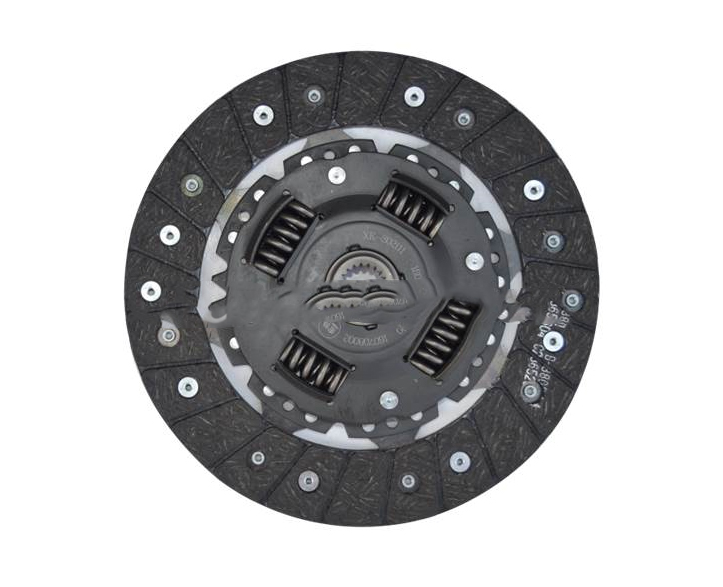
- Friction material shear strength and compressibility testing.
- Runout measurement on the pressure plate friction surface (max 0.10mm).
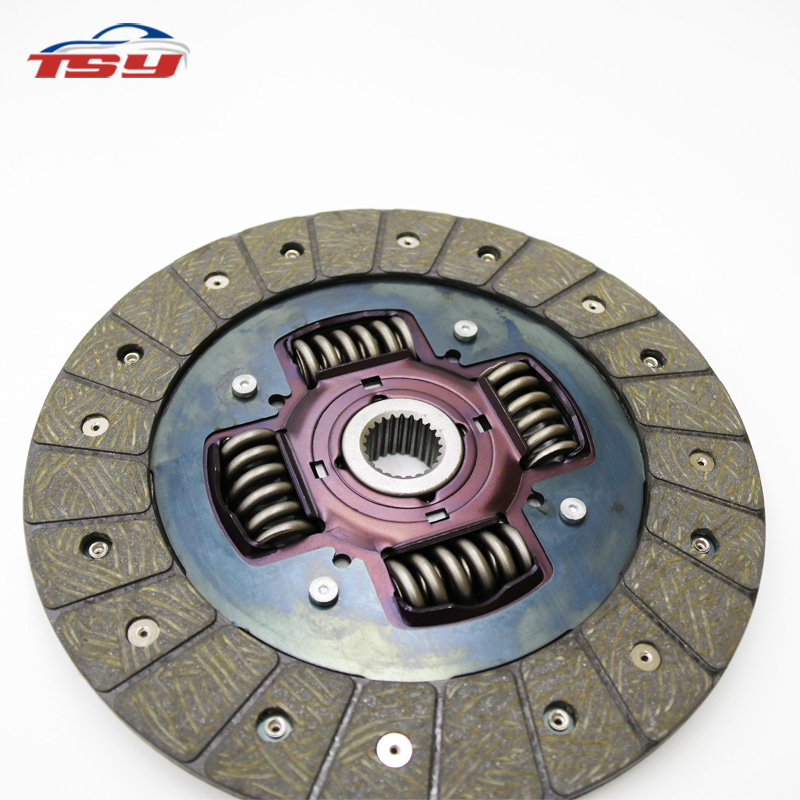
- Torsional damper spring rate and hysteresis testing.
Relying solely on a supplier's internal test reports carries risk. Implementing independent Quality Control & Inspection prior to shipment ensures that the batch meets your specified tolerances. Furthermore, conducting comprehensive Factory Audits before placing an order is the most effective way to verify a manufacturer's actual in-house capabilities versus outsourced sub-assembly.
MOQs, Lead Times, and Tooling
Purchasing mechanics for automotive clutches vary heavily based on whether you are buying off-the-shelf aftermarket replacements or developing custom performance kits.
For brands utilizing OEM/ODM Services to develop private-label performance clutches, tooling costs for new pressure plate castings or custom friction disc stampings will apply. Negotiating these tooling costs—and establishing clear ownership of the molds—is a critical phase of the purchasing agreement.
Struggling to negotiate favorable tooling terms and MOQs with tier-one automotive suppliers? We can help structure your purchasing agreements.
Get a free consultationFrequently Asked Questions
Successfully sourcing automotive clutches at scale requires a deep understanding of metallurgy, friction dynamics, and factory-level quality systems. By focusing on stringent technical specifications and rigorous on-site validation, buyers can secure reliable components that protect their brand's reputation in the competitive aftermarket. If you need experienced oversight to manage this process from supplier vetting to final delivery, our team is ready to assist.
Get Sourcing Help for Clutch
Tell us your requirements and our experts will connect you with verified manufacturers.