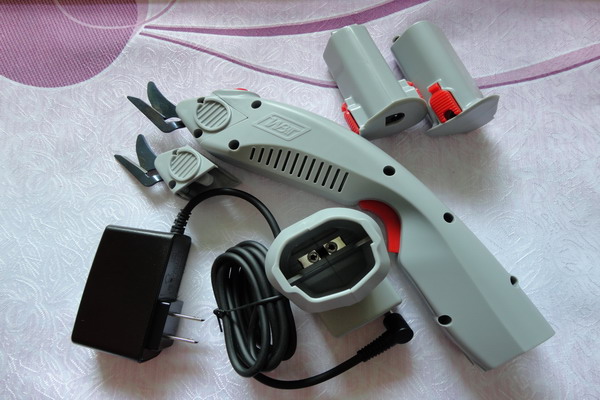
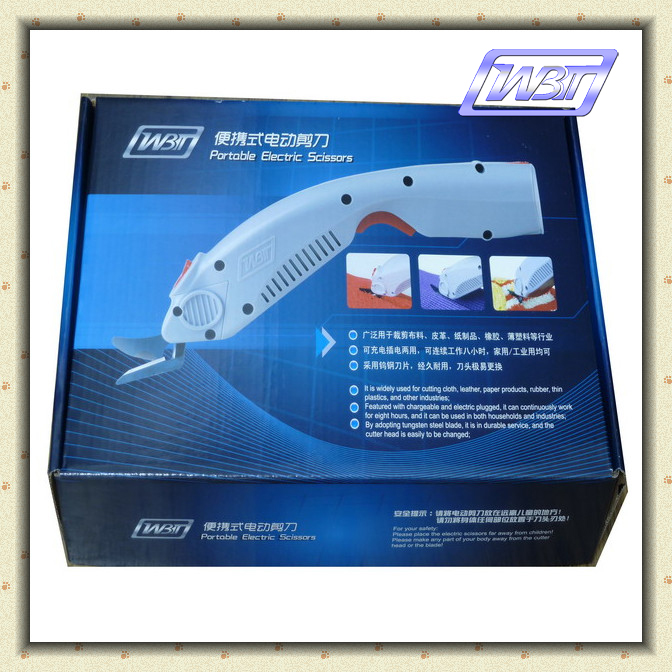
Cloth Cutting Machines
Source commercial-grade Cloth Cutting Machines from vetted manufacturers and suppliers in Asia. Designed for importers, wholesale distributors, and apparel brands seeking reliable machinery purchasing and OEM production. Discover competitive pricing, robust quality control, and secure supply chains for your bulk machinery orders.
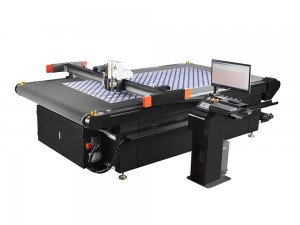
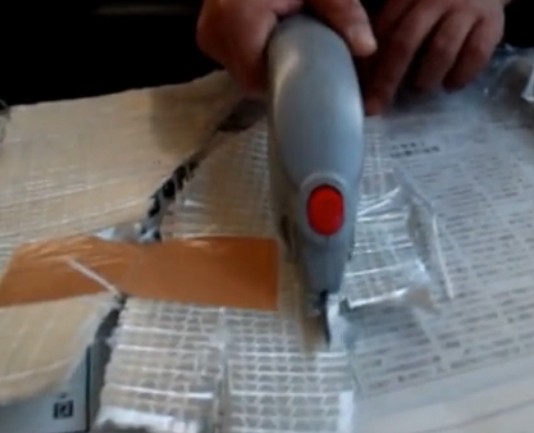
Sourcing industrial cloth cutting machines requires balancing cutting precision with motor durability. Whether you are importing portable straight knife cutters for garment factories or heavy-duty band knife machines for upholstery production, the core sourcing challenge remains the same: ensuring consistent performance under continuous load without thermal failure, blade deflection, or excessive vibration.
For high-volume buyers, identifying manufacturers capable of delivering consistent metallurgical quality for blades and true copper-wound motors is critical to minimizing returns and maintaining brand reputation.
Critical Specifications and Component Quality
When negotiating with factories, surface-level specifications like wattage and blade size are insufficient. The true quality of a cloth cutting machine lies in its internal components and thermal management systems.
| Machine Type | Typical Cutting Capacity | Primary Use Case | Key Vulnerability |
|---|---|---|---|
| Straight Knife | Up to 13 inches | Heavy plies, tight curves | Motor overheating under continuous load |
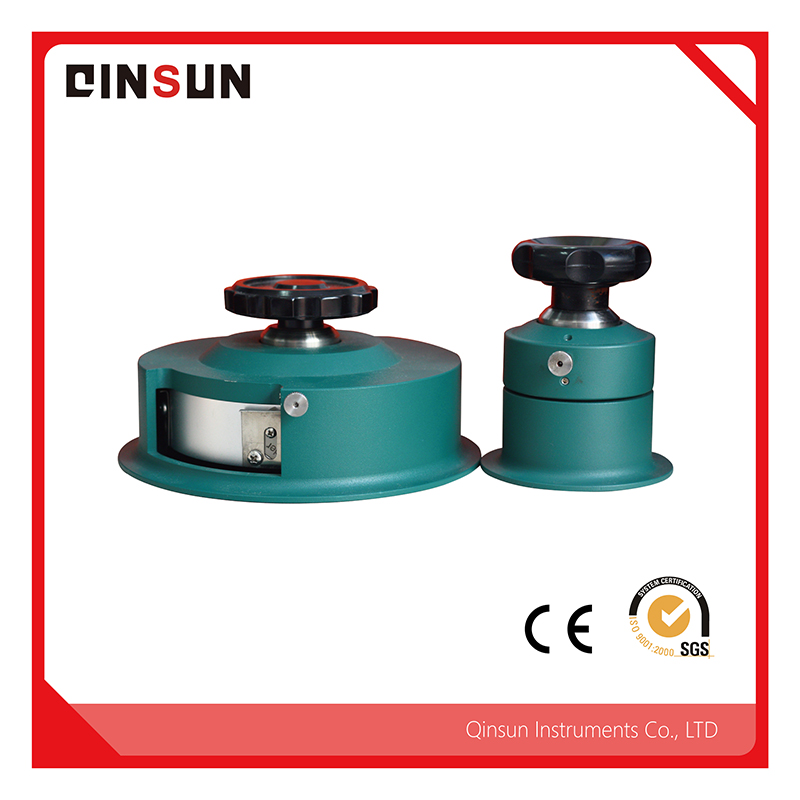
| Round / Rotary Knife | Up to 1 inch | Single ply, straight continuous lines | Rapid blade dulling on synthetics |
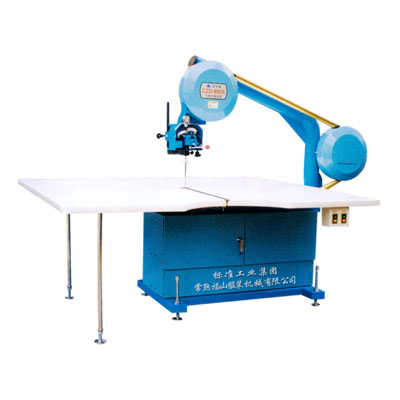
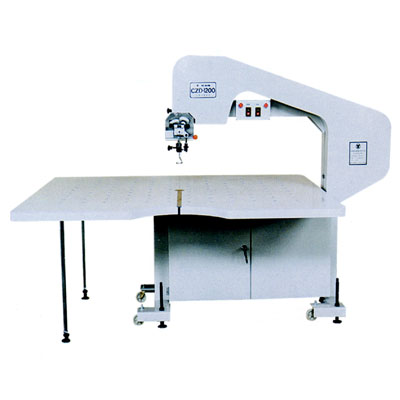
| Band Knife | Up to 12 inches | High-precision block cutting | Pulley alignment and vibration |
Motor Windings and Thermal Management
The most common point of failure in imported cutting machines is the motor. Low-tier suppliers often substitute pure copper wire with Copper-Clad Aluminum (CCA) to reduce costs. While CCA motors may pass initial testing, they run significantly hotter and fail rapidly under the strain of cutting dense denim or synthetic stacks. You must specify 100 percent copper windings and ensure the machine housing includes adequate ventilation or built-in fan cooling mechanisms.
Need reliable textile machinery manufacturers? We vet suppliers based on technical capability, component sourcing, and assembly standards.
Talk to our teamBlade Metallurgy and Base Plates
Blades must be forged from High-Speed Steel (HSS) or specialized alloy steel to maintain an edge. Additionally, the base plate (the part that slides under the fabric) must be perfectly flat and low-friction. Premium models utilize precision-cast and polished base plates with specialized rollers, whereas cheaper units use stamped metal that can snag delicate fabrics.
Synthetic Fabric Melting
When cutting synthetic materials like polyester or nylon, high-speed friction causes the fabric edges to melt and fuse. Ensure your manufacturer offers models with dual-speed motors or automated blade lubrication/cooling systems to mitigate this issue.
Manufacturing Oversight and Quality Control
Securing a reliable supply chain for machinery requires rigorous oversight on the factory floor. Relying solely on a golden sample is a fast track to inconsistent bulk orders.
Before committing to a high-volume run, executing thorough Factory Audits is essential to verify that the supplier actually winds their own motors or sources them from reputable sub-contractors, rather than assembling off-the-shelf white-label components in a low-tier workshop.
During production, strict Quality Control & Inspection protocols should be implemented.
Pre-Shipment Inspection Checklist for Cutting Machines
- Dielectric voltage-withstand (hi-pot) testing on all motors.
- Vibration analysis at maximum RPM to check bearing alignment.
- Verification of blade sharpening mechanism engagement and belt tension.
- Inspection of power cords and plugs for target market compliance (UL, CE, etc.).
- Base plate flatness and roller smoothness verification.
Pricing, MOQs, and Customization
The market for cloth cutting machines is heavily segmented by machine type and customization requirements.
For distributors looking to build a brand, leveraging OEM/ODM Services allows for customized housing colors, branded nameplates, and localized plug configurations. However, custom tooling for new housing designs will significantly increase both the MOQ and the initial lead time.
Optimize your machinery supply chain with negotiated MOQs, localized compliance, and rigorous pre-shipment testing.
Get a free consultationBuyer FAQ
Successfully sourcing cloth cutting machines requires moving past basic spec sheets to audit the integrity of the internal components. By enforcing strict standards on motor windings, blade metallurgy, and electrical safety, you can import industrial machinery that delivers long-term reliability for your end-users.
Get Sourcing Help for Cloth Cutting Machines
Tell us your requirements and our experts will connect you with verified manufacturers.