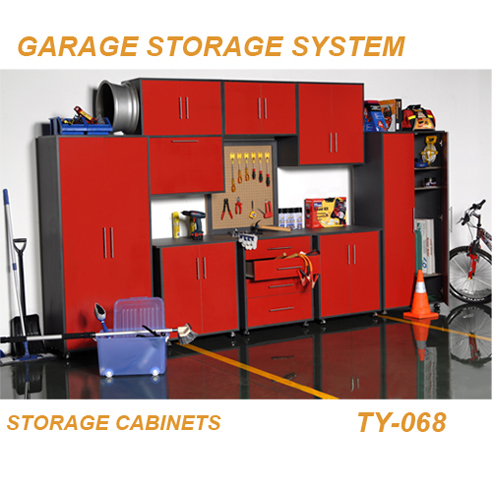
Closet Systems & Organizers
Source high-quality Closet Systems & Organizers directly from vetted manufacturers and suppliers. Designed for importers, wholesalers, distributors, and brands seeking reliable bulk purchasing and OEM/private-label production. Ensure consistent quality, competitive pricing, and scalable manufacturing for your storage collections.
Sourcing closet systems and organizers in volume requires managing complex, multi-material supply chains. Whether you are importing modular wire shelving or high-end engineered wood walk-in configurations, the primary challenge lies in ensuring dimensional consistency, load-bearing integrity, and flawless hardware integration across thousands of units. A single misalignment in pre-drilled holes or a missing bracket in a flat-pack box can render an entire system useless and trigger costly returns.
Material Specifications and Production Tolerances
Closet systems generally fall into two material categories: coated wire/metal and engineered wood. Each requires specific technical requirements during the sourcing phase.
For wire systems, buyers must specify the steel gauge (typically 4-gauge to 10-gauge depending on the structural component) and the finish. Epoxy powder coating is standard, and you should specify a coating thickness of 60 to 80 microns to prevent flaking and corrosion.
For engineered wood systems (MDF or particleboard), density and edge banding are the critical failure points. Melamine finishes must be applied with high-grade adhesives to prevent delamination in humid environments. Furthermore, any composite wood products destined for North America must strictly adhere to CARB Phase 2 and EPA TSCA Title VI emission standards.
| System Type | Core Material | Critical Sourcing Specification | Primary Defect Risk |
|---|---|---|---|
| Ventilated Wire | Carbon steel wire | Steel gauge & weld tensile strength | Incomplete powder coating / rust |
| Wood & Laminate | MDF / Particleboard | Board density & CARB P2 compliance | Edge banding delamination |
| Hybrid Modular | Aluminum & Wood | Extrusion wall thickness | Bracket hole misalignment |
Quality Control and Hardware Management
The most common point of failure in flat-pack closet systems is not the primary material, but the hardware. Missing cams, bent shelf pins, or insufficient wall anchors ruin the end-user experience. Rigorous Quality Control & Inspection is non-negotiable, particularly pre-shipment inspections that verify the exact piece count in hardware blister packs.
Critical QC Checks for Closet Systems
- Verify hardware pack component counts using weight-check scales on the assembly line.
- Conduct drop-testing on flat-pack cartons (ISTA 1A or 3A standards) to ensure edge protection.
- Perform load-bearing tests on shelf brackets and hanging rods to verify weight capacity claims.
- Check moisture content in wooden components (should remain under 12 percent).
- Test powder coating adhesion on metal parts using the cross-hatch cutter method.
Struggling with inconsistent quality or missing hardware in your flat-pack shipments? Let us help you implement rigorous factory-level quality controls.
Talk to our teamOEM/ODM Capabilities and Factory Selection
If you are developing proprietary modular systems, your manufacturer must have robust tooling capabilities for custom brackets, hanging tracks, and proprietary locking mechanisms. Engaging in OEM/ODM Services requires a factory with an in-house R&D team capable of translating your CAD drawings into production-ready molds.
Not all furniture factories are equipped to handle mixed-material closet systems. A factory excelling in wood panels might outsource their metal tracks to a sub-tier supplier with poor quality management. Conducting thorough Factory Audits is essential to verify exactly which processes are handled in-house and how the factory manages sub-contractor quality.
Typical MOQs, Pricing, and Lead Times
Because closet systems are bulky and require significant raw material planning, minimum order quantities (MOQs) are generally determined by container volume or raw material minimums (like custom melamine paper runs).
Pricing is heavily influenced by raw material index fluctuations (steel and lumber), packaging requirements (honeycomb cardboard for e-commerce vs. standard retail boxes), and the complexity of the hardware included.
Need to negotiate better terms or consolidate container shipments for bulky closet systems? Speak with our sourcing specialists today.
Get a free consultationFrequently Asked Questions
Successfully sourcing closet systems requires strict oversight of material tolerances, hardware packing accuracy, and structural safety standards. By managing these variables proactively at the factory level, you protect your margins and ensure a reliable, scalable product line.
Get Sourcing Help for Closet Systems & Organizers
Tell us your requirements and our experts will connect you with verified manufacturers.