Clock
Source high-quality clocks in bulk directly from vetted Chinese manufacturers and suppliers. Designed for importers, wholesalers, and brands seeking reliable OEM and private-label production, our network delivers precision timepieces, from analog wall clocks to advanced digital models, at competitive wholesale prices.
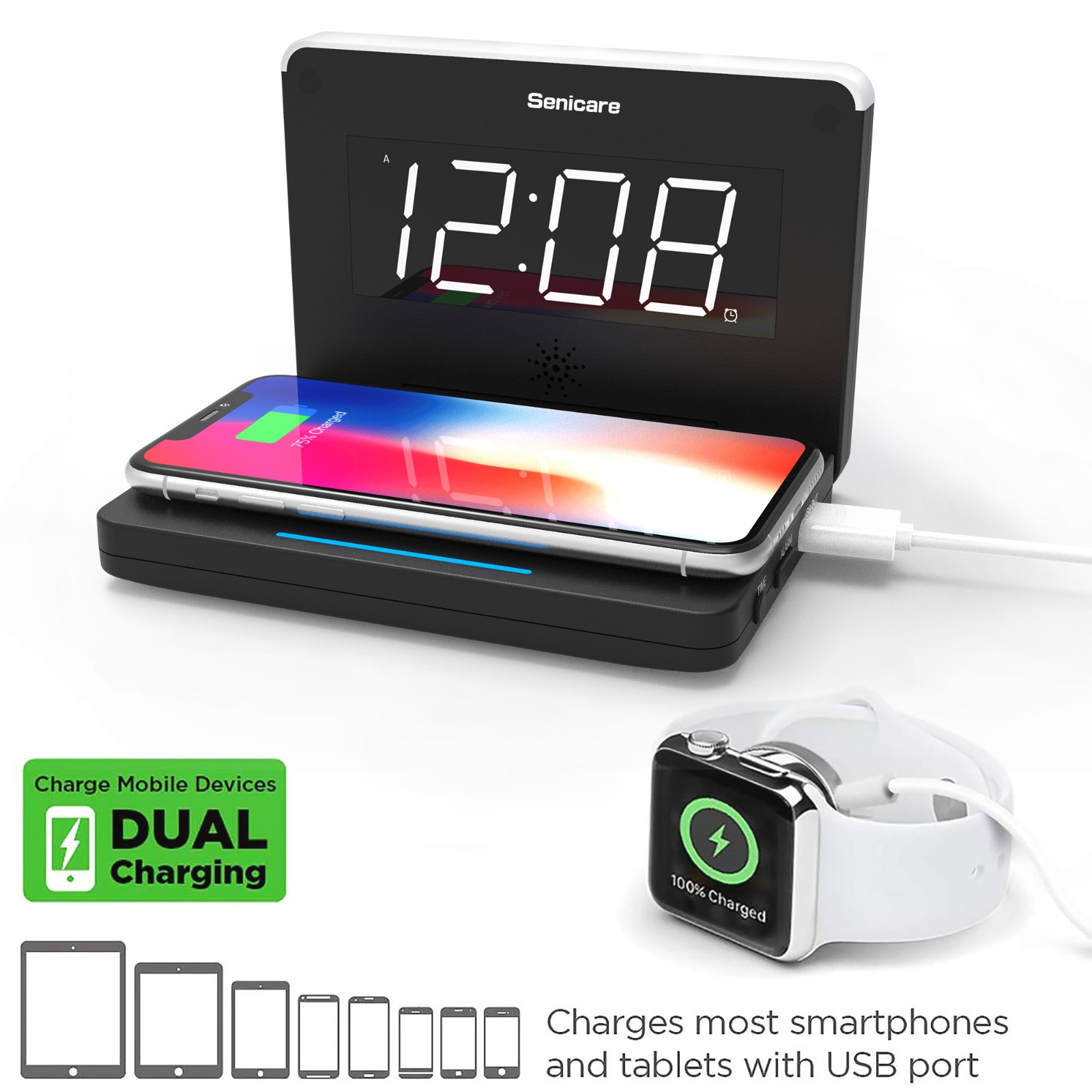
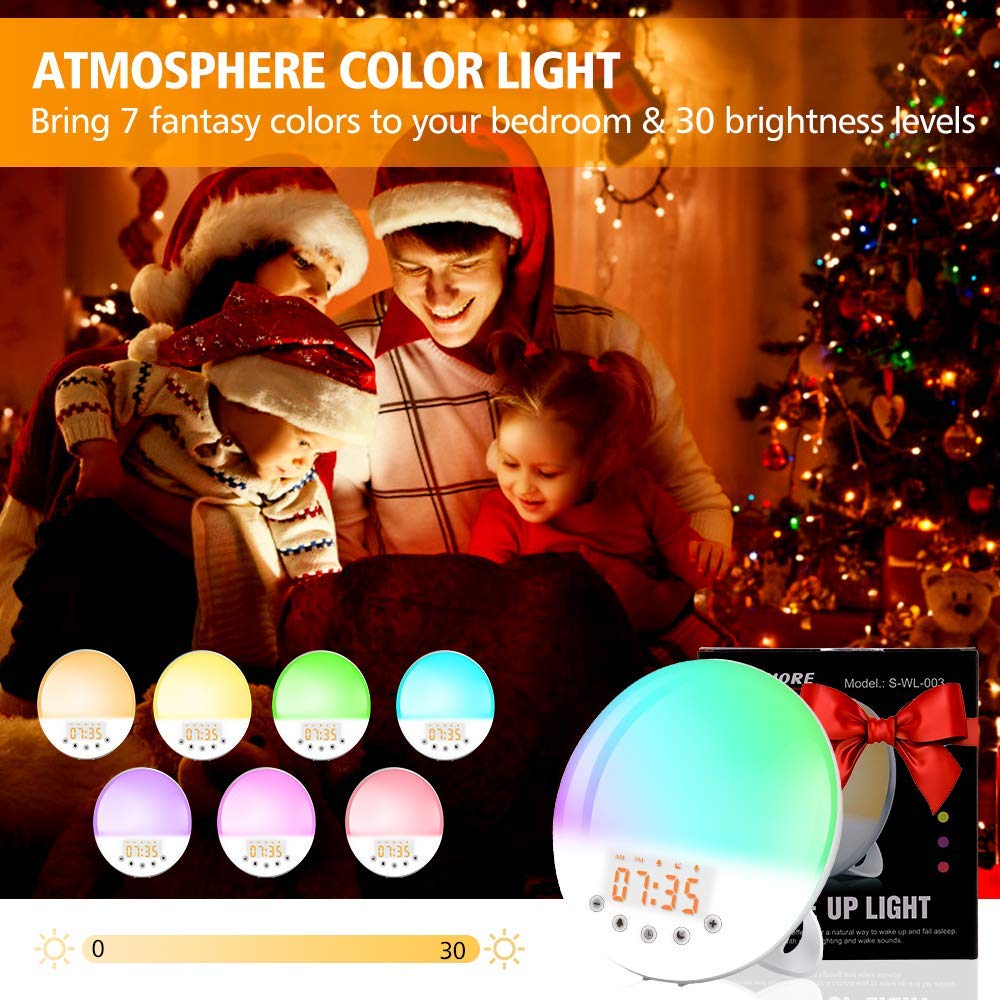
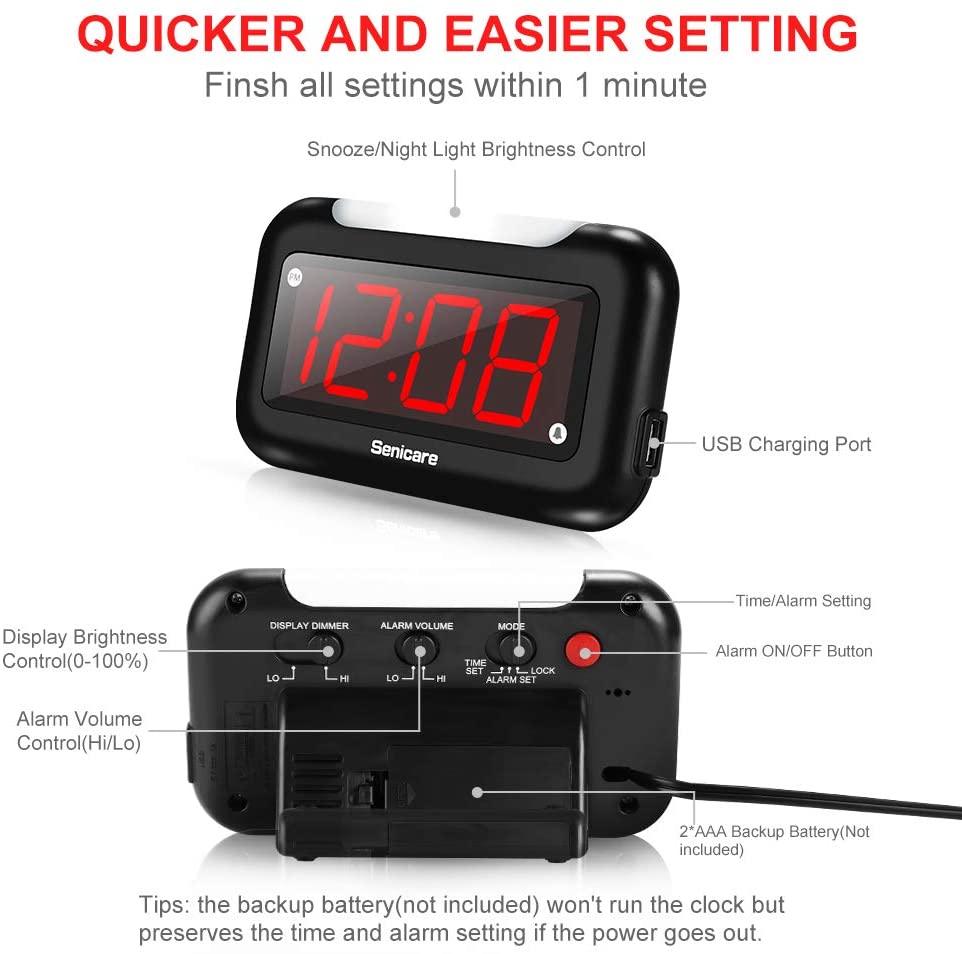
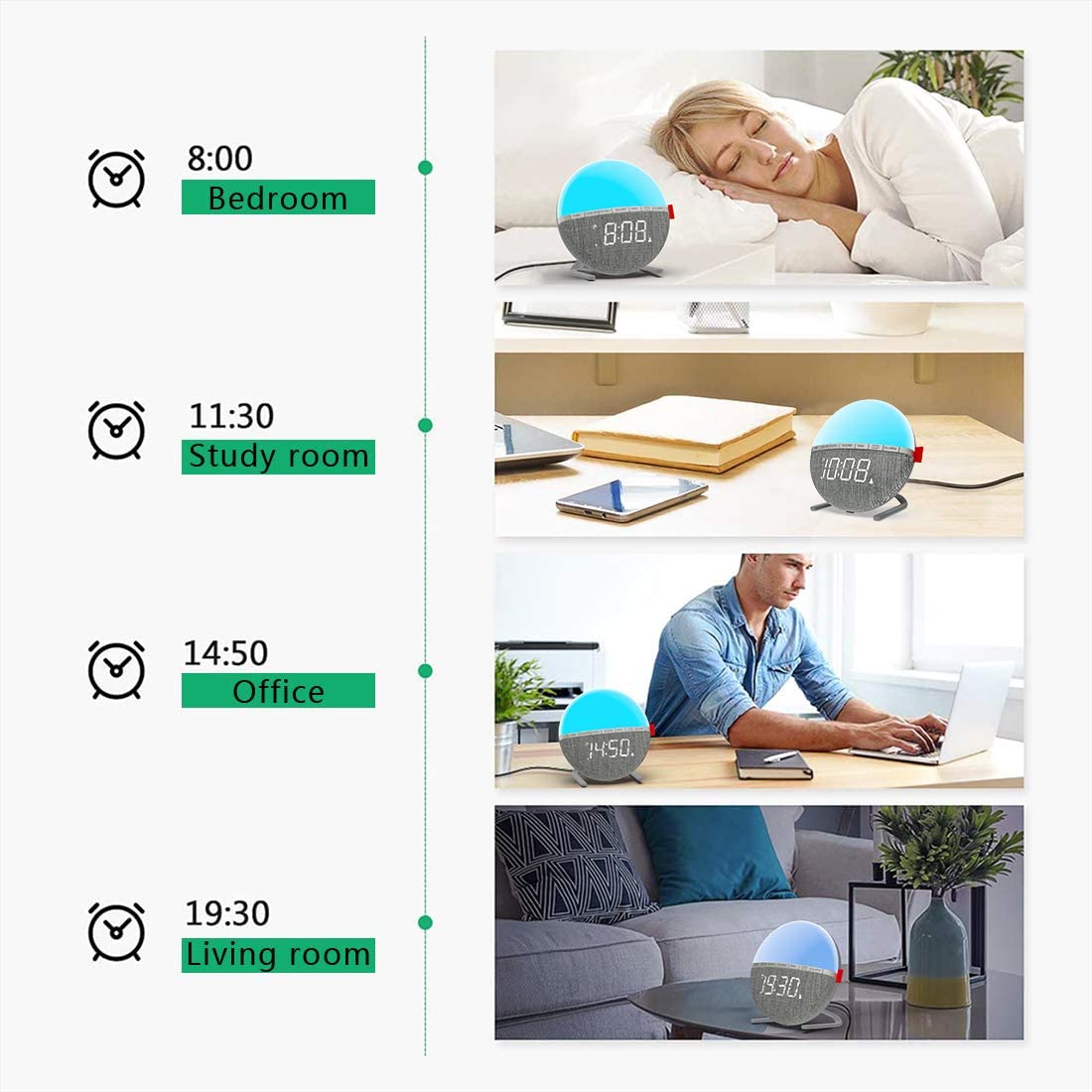
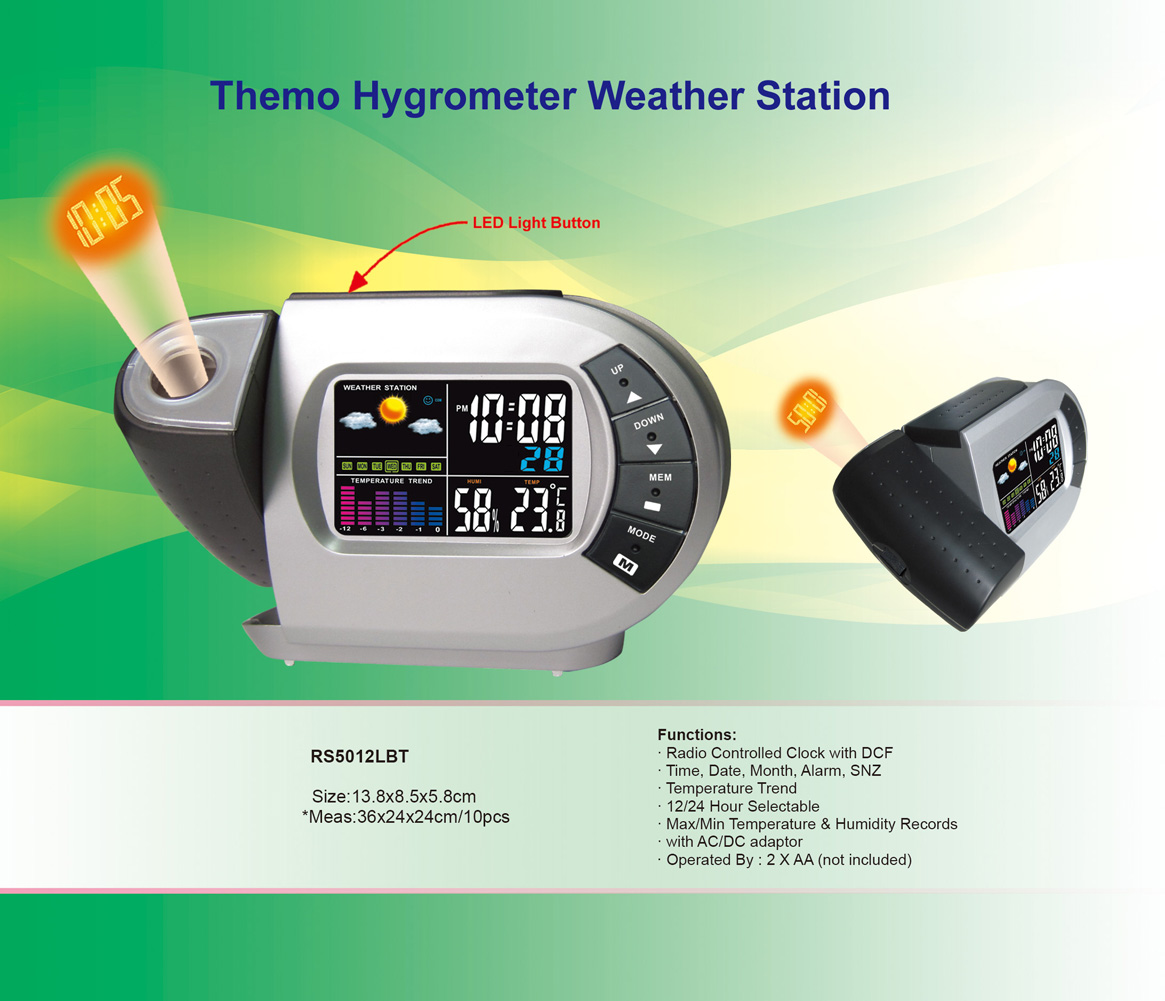
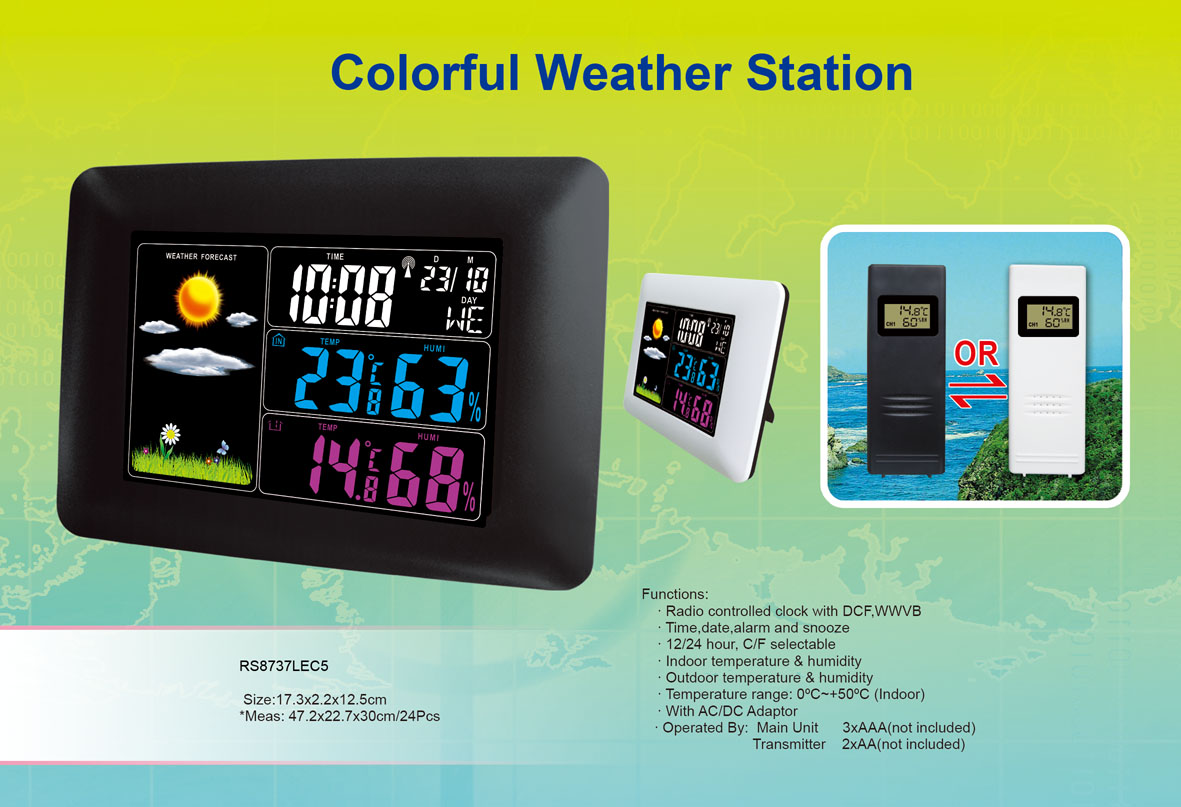
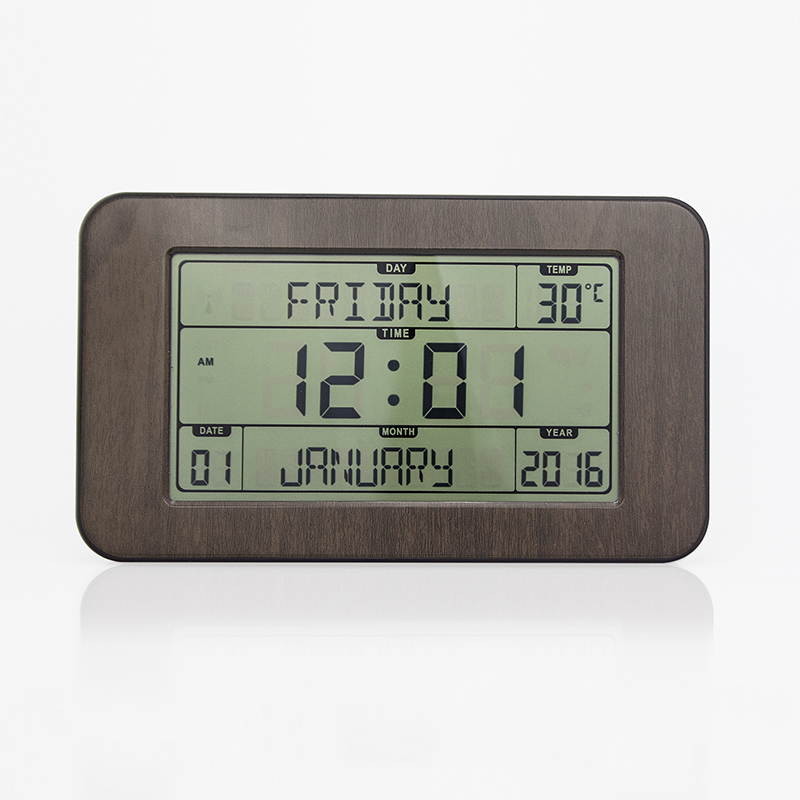
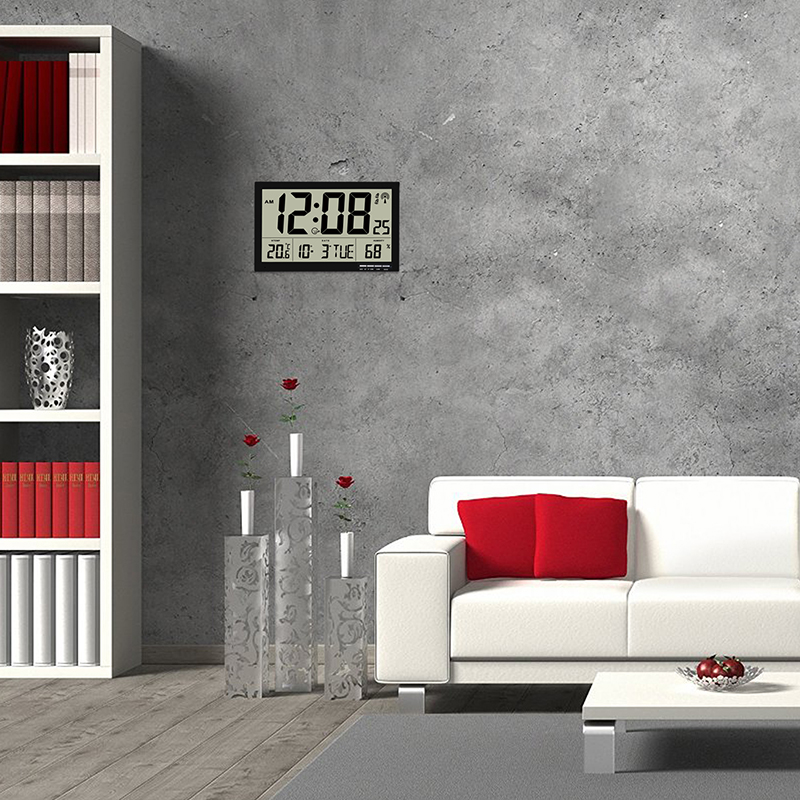
Sourcing clocks at scale requires balancing aesthetic design with internal component reliability. Whether you are importing basic analog wall clocks, decorative desk timepieces, or complex digital LED clocks with integrated charging features, the primary challenge lies in ensuring consistent timekeeping accuracy and component longevity across high-volume production runs.
Core Specifications and Movement Selection
The heart of any clock is its movement or integrated circuit (IC). When negotiating with suppliers, buyers must specify exactly what internal components are required. Requesting a "standard quartz movement" leaves too much room for interpretation, often resulting in ultra-cheap generic components with high drift rates and short lifespans.
For analog clocks, the movement source is a critical pricing and quality driver. Premium lines often utilize Japanese or Taiwanese movements, while budget lines rely on standard domestic Chinese movements.
| Specification | Standard Step Quartz | Sweep (Silent) Quartz | Digital IC (LED/LCD) |
|---|---|---|---|
| Motion Type | Ticking second hand | Continuous smooth motion | Electronic digital display |
| Typical Time Drift | +/- 30 seconds per month | +/- 20 seconds per month | Dependent on crystal oscillator quality |
| Power Draw | Low (12-18 months on AA) | Medium (8-12 months on AA) | High (Often requires USB/mains power) |
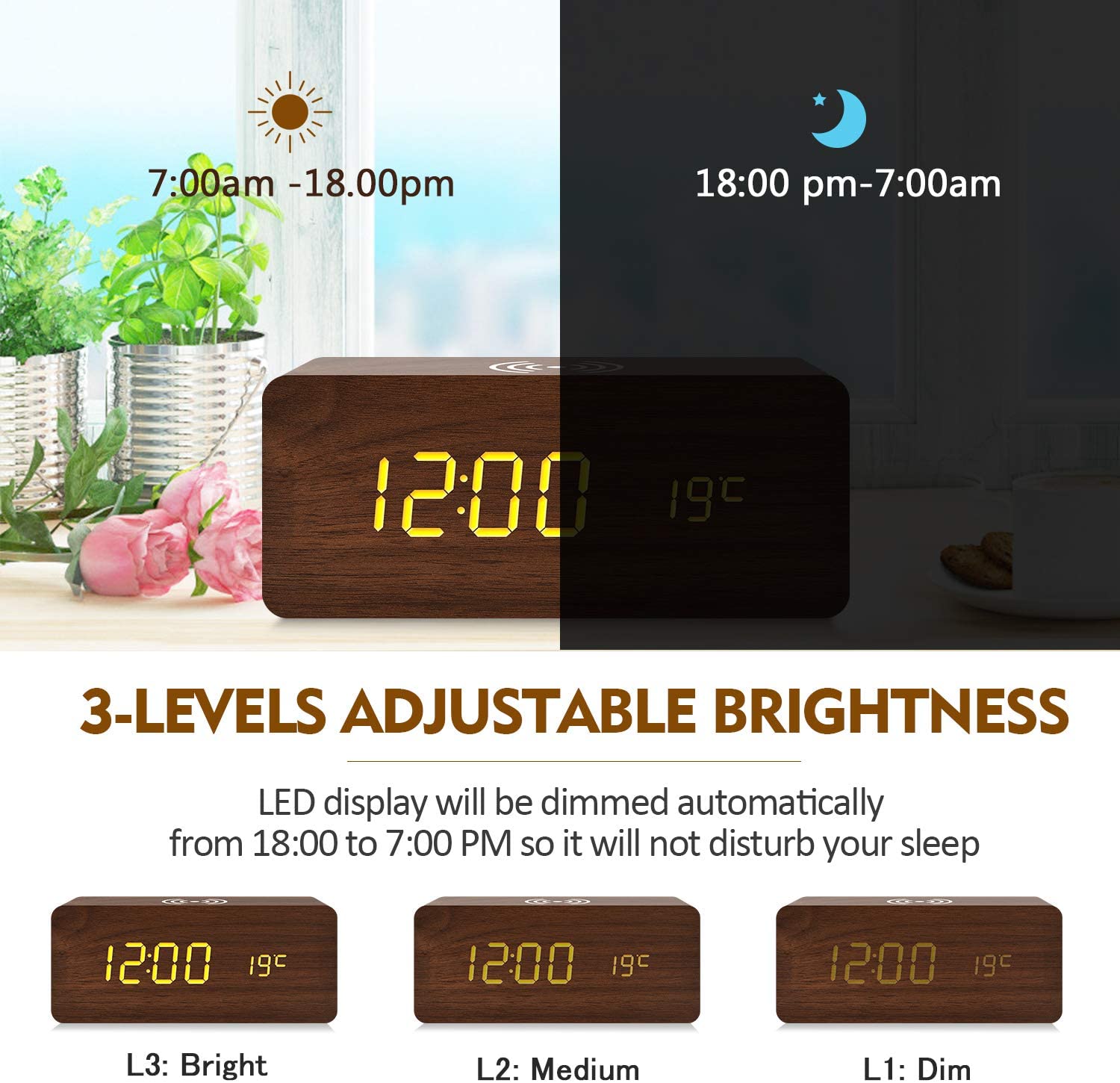
Beyond the movement, housing materials drastically impact both perceived value and shipping weight. Standard housings are injection-molded ABS or HIPS (High Impact Polystyrene), while premium models utilize extruded aluminum, brushed stainless steel, or CNC-machined wood (MDF or solid timber).
Manufacturing Vulnerabilities and Quality Control
Clocks are assembly-heavy products. Most clock factories do not manufacture their own movements, glass, or plastic housings; they purchase these from sub-suppliers and assemble them. This makes rigorous Quality Control & Inspection essential, as defects often occur during the final assembly phase.
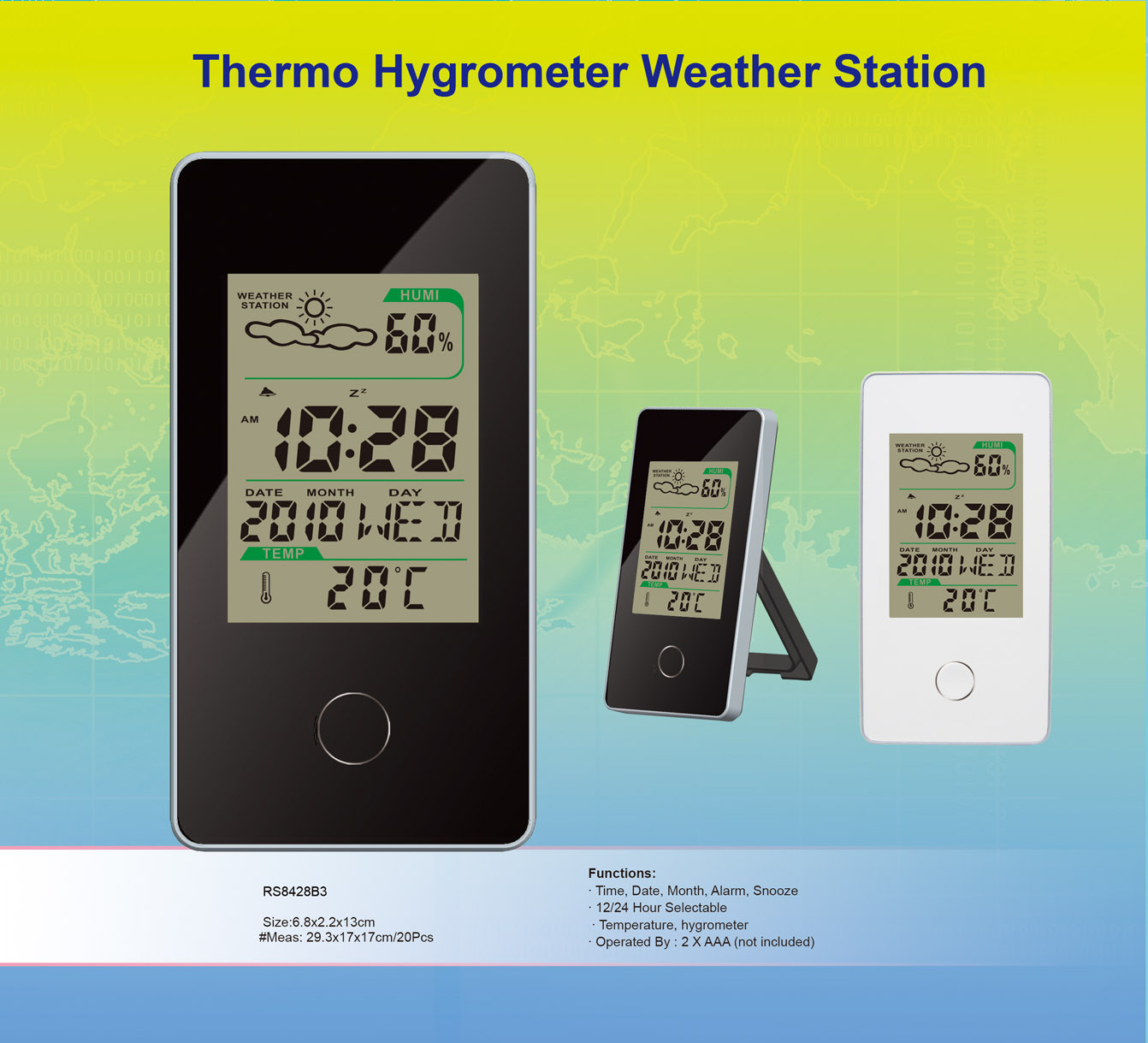
Common assembly defects include misaligned hands (causing them to catch on each other), dust trapped under the glass lens, poorly soldered battery terminals, and uneven LED segment illumination in digital models.
Struggling with high defect rates or inconsistent timekeeping on your current clock imports? We can help stabilize your production and enforce strict quality standards.
Discuss your QC requirementsTo prevent these issues from reaching your warehouse, pre-shipment inspections should include specific functional tests:
Essential Factory-Floor QC Checks for Clocks
- Time Drift Testing: Running the clock for 48 to 72 hours to verify accuracy against a master reference.
- Hand Clearance: Visual and physical check to ensure hour, minute, and second hands do not collide.
- Power Consumption Test: Multimeter check to ensure the movement or IC is not drawing excessive current.
- Acoustic Testing: For 'silent sweep' models, verifying decibel levels in a sound-dampened box.
- Drop Testing: Standard carton drop tests to ensure glass lenses and internal gears survive transit.
For digital clocks, especially those with smart features like wireless charging or Bluetooth speakers, Compliance & Testing is mandatory. Depending on your market, these products will require CE, RoHS, FCC, or UL certifications.
Customization and OEM Production
Many brands require bespoke designs, whether that means applying a custom Pantone color to an existing mold, designing a unique dial face, or developing a completely new housing. Engaging in OEM/ODM Services allows for full control over the product's aesthetic and functional footprint.
When developing a custom clock, tooling costs for new ABS injection molds are generally reasonable, but minimum order quantities will increase to justify the setup time. Dial customization (printing your logo or custom numerals) is standard and usually only requires a minimal setup fee for the printing plates.
Sourcing Mechanics: MOQs, Pricing, and Lead Times
Pricing in the clock category is highly elastic, driven primarily by the movement's origin, the casing material, and the size of the glass lens. A basic 10-inch plastic wall clock can cost a fraction of a 14-inch metal-cased clock with a silent sweep movement.
Need accurate pricing, tooling estimates, and lead times for your custom clock line? Talk to our sourcing team today.
Get a sourcing consultationFrequently Asked Questions
Successfully importing clocks at scale requires moving beyond aesthetic approvals and digging into the bill of materials. By specifying the exact movement, enforcing strict assembly tolerances, and validating packaging integrity, buyers can eliminate the most common failure points in this category.
Get Sourcing Help for Clock
Tell us your requirements and our experts will connect you with verified manufacturers.