Cleaning Machine and Spare Parts
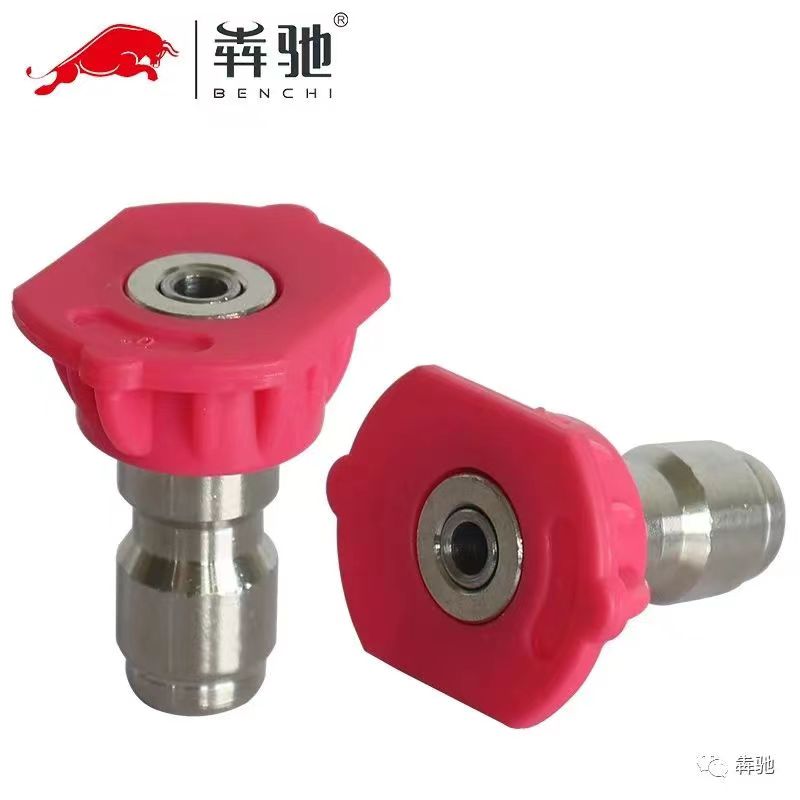
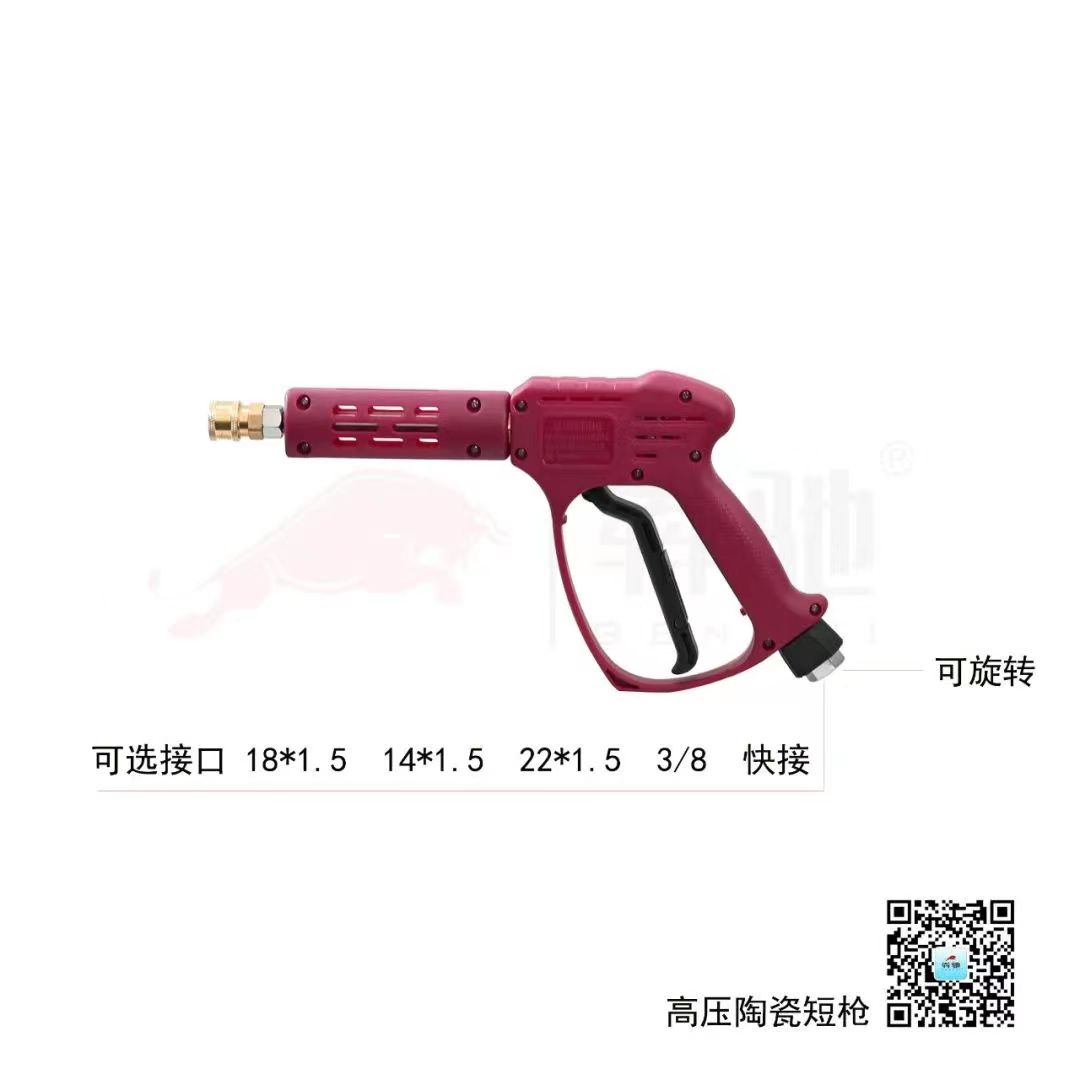
Source commercial cleaning machines and spare parts from vetted suppliers and manufacturers. This catalog is built for importers, wholesalers, and brands seeking reliable OEM and private-label production. Secure competitive wholesale pricing and strict quality assurance for your bulk equipment orders.
Sourcing commercial cleaning equipment and replacement parts requires balancing upfront unit costs with long-term reliability. Whether you are importing floor scrubbers, industrial vacuums, or high-pressure washers, the core challenge lies in verifying motor durability, pump integrity, and battery lifecycle before committing to volume production. A machine that fails in a commercial environment damages your brand reputation, making supplier vetting and technical validation critical.
Core Specifications and Component Quality
The reliability of any cleaning machine comes down to its core internal components. When negotiating with manufacturers, buyers must specify exact requirements for motors, pumps, and control electronics rather than accepting off-the-shelf defaults.
Motors and Pumps
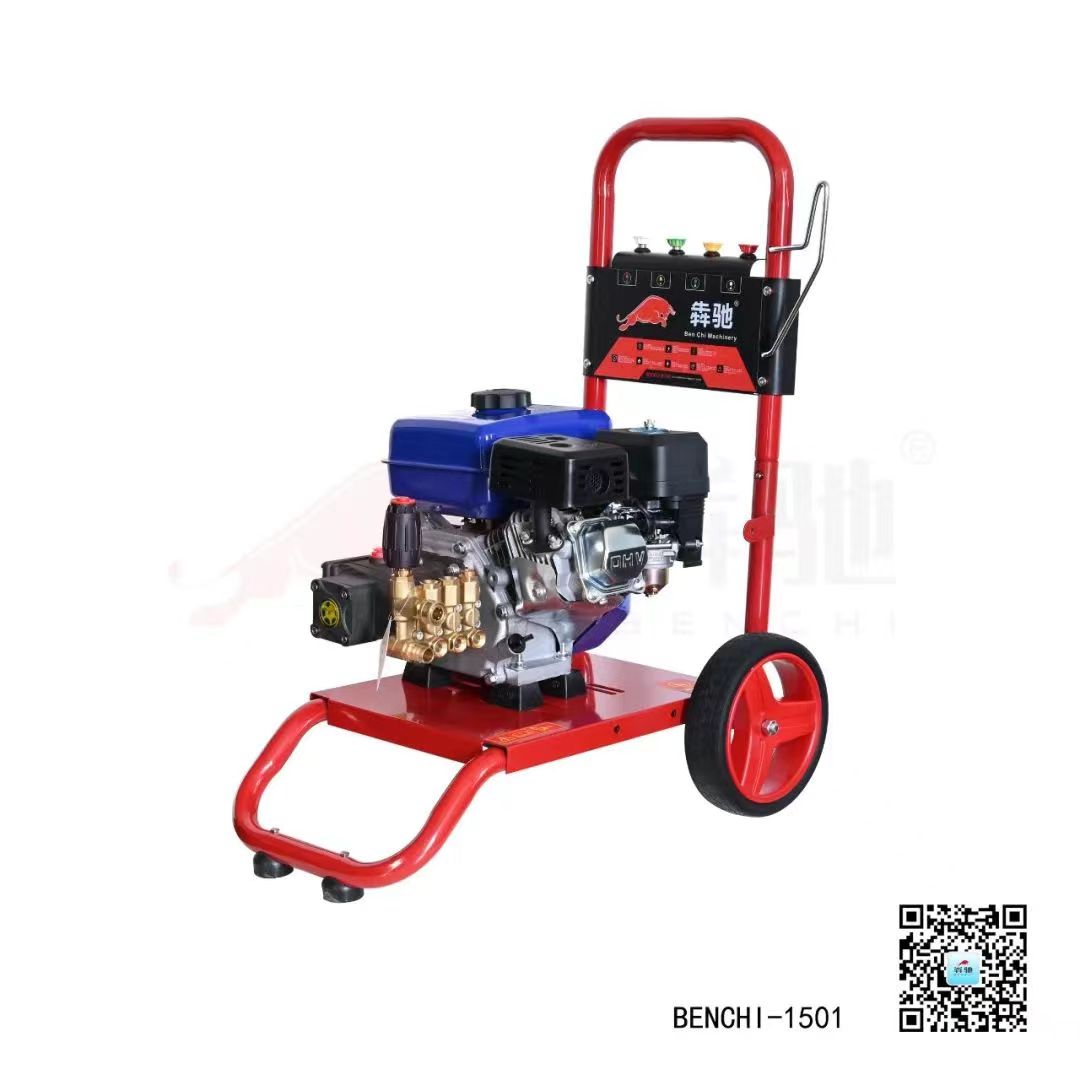
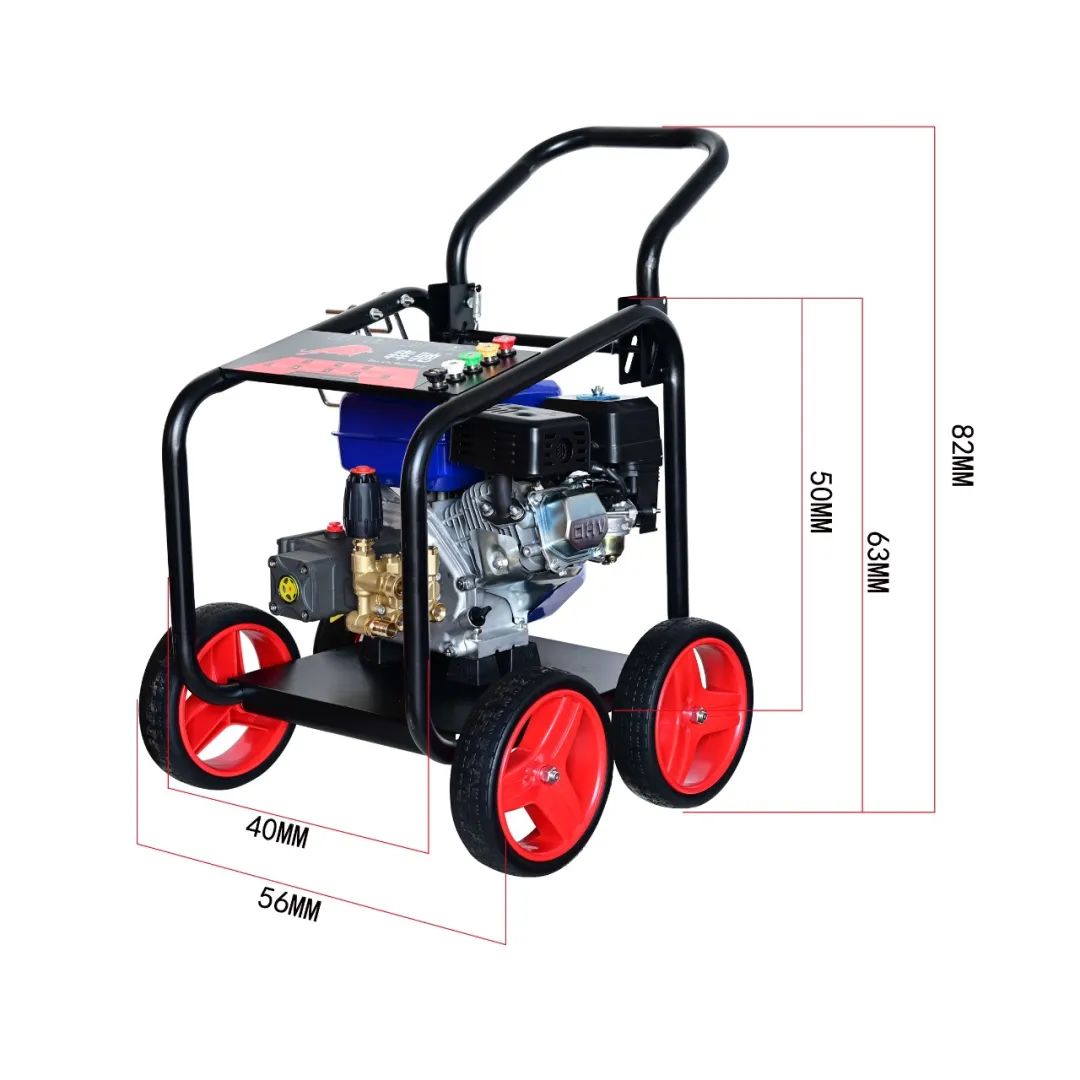
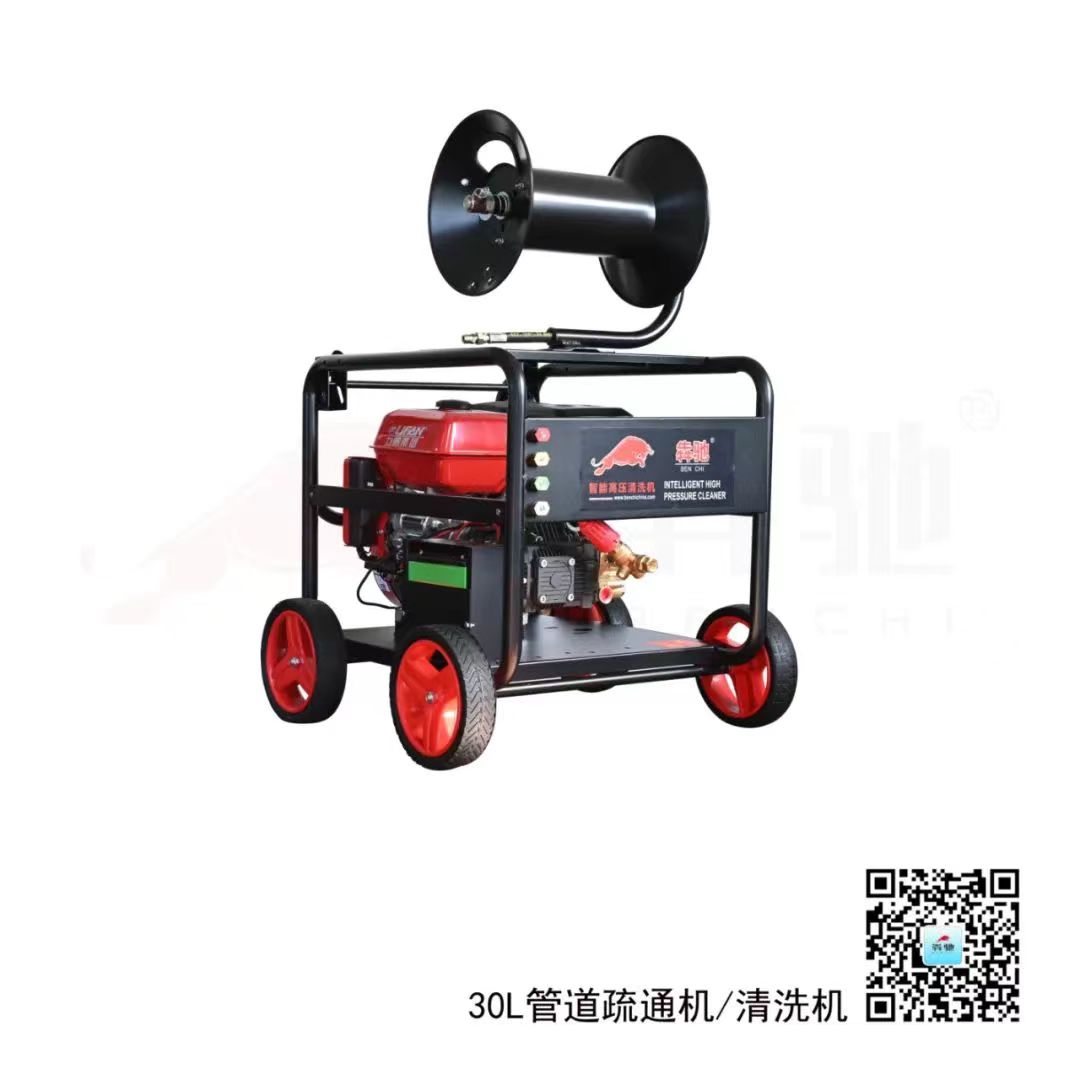
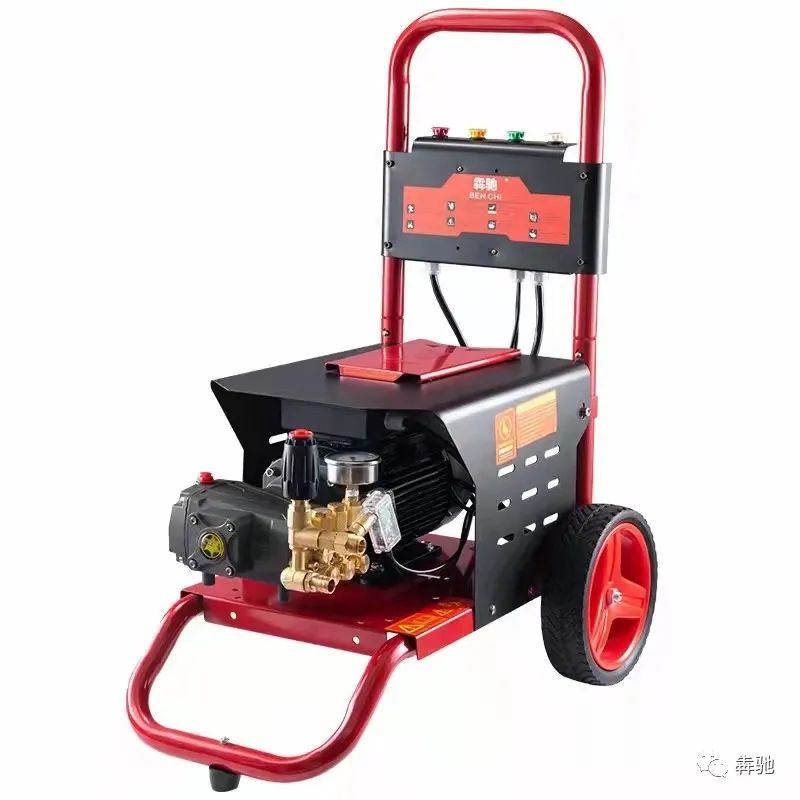
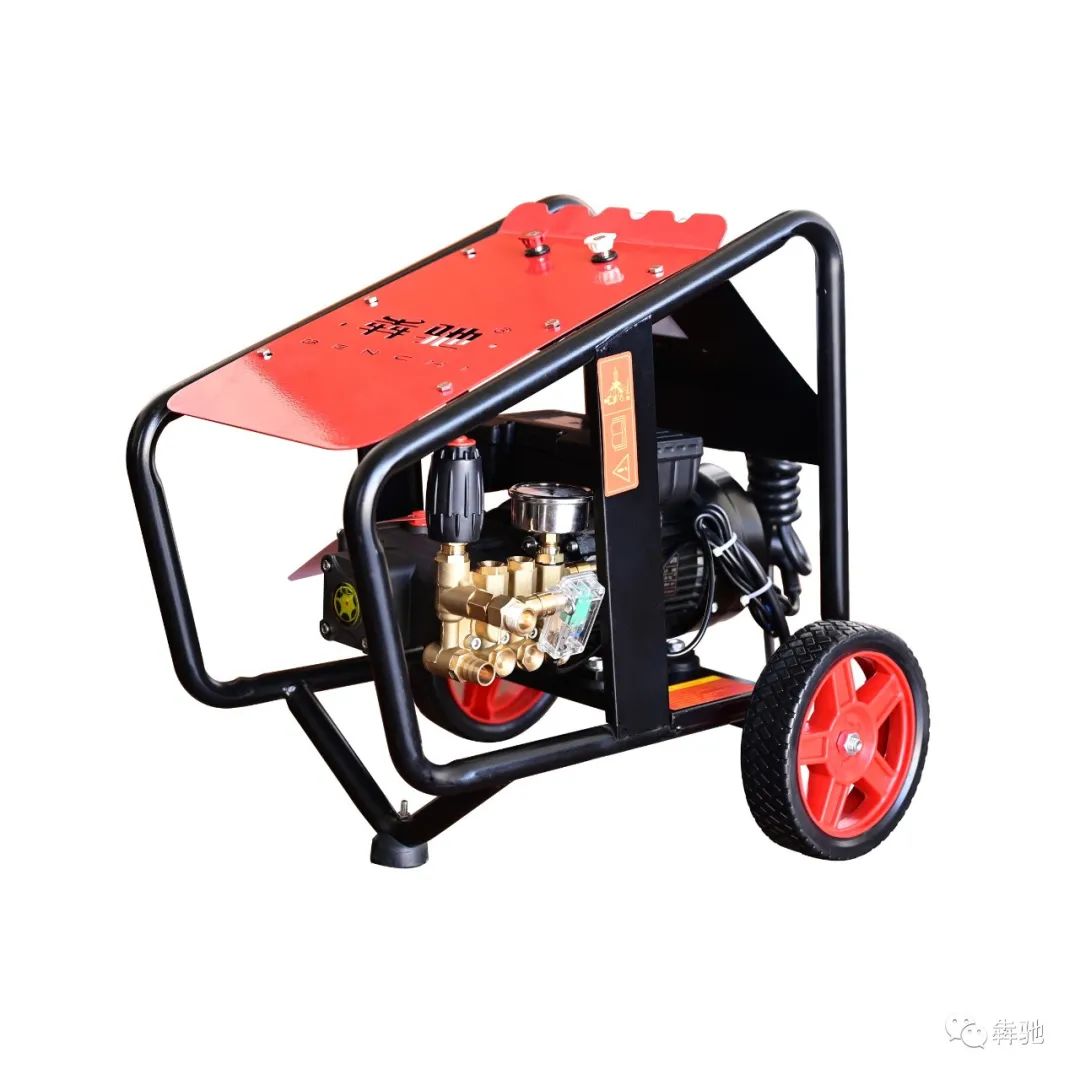
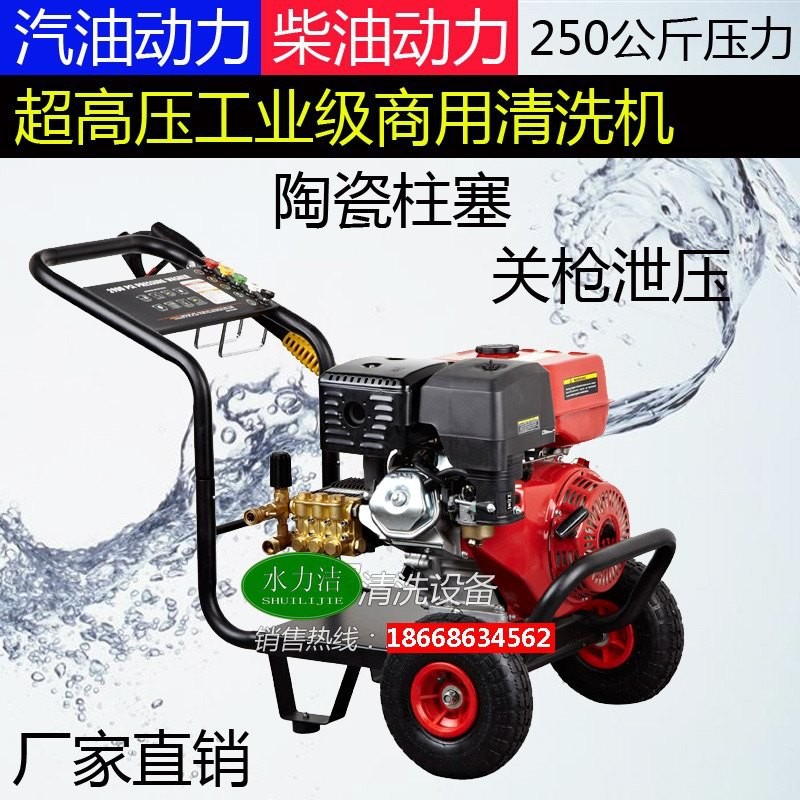
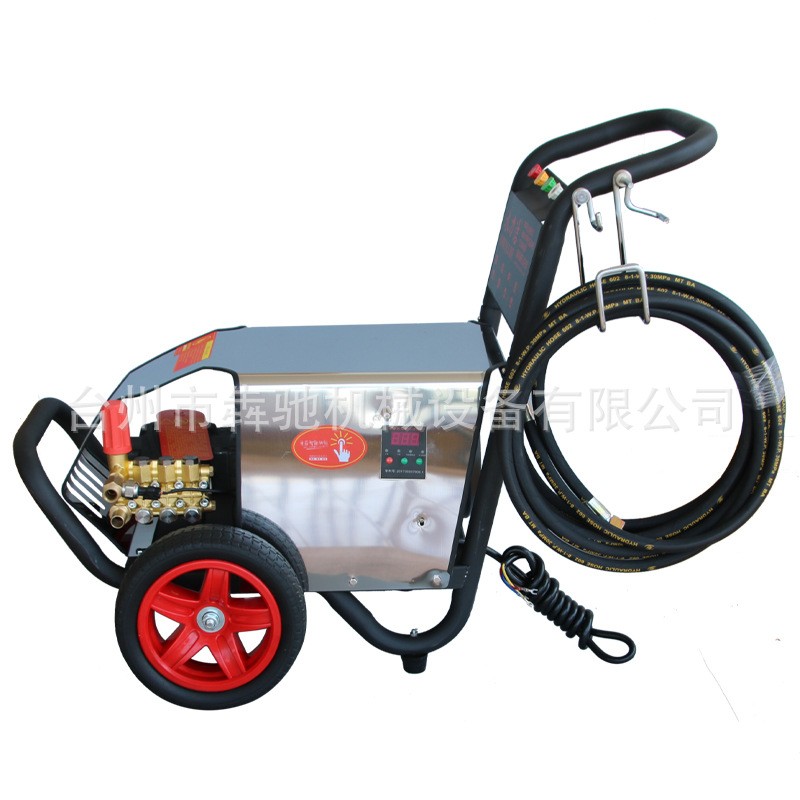
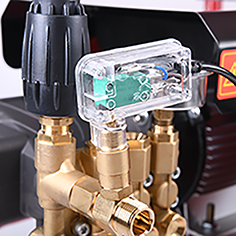
Vacuum and drive motors are the beating heart of cleaning machinery. Specify whether you require brushed or brushless DC motors based on your target price point and maintenance expectations. For pressure washers and carpet extractors, the pump head material is the primary failure point. Solid forged brass manifolds resist cracking under high pressure and temperature fluctuations far better than cheaper aluminum alternatives.
| Component | Standard Commercial | Heavy Industrial |
|---|---|---|
| Pump Manifold | Aluminum or Brass-plated | Solid Forged Brass |
| Motor Type | Brushed DC | Brushless DC (BLDC) |
| Tank Construction | Injection Molded ABS | Rotomolded Polyethylene |
Manufacturing Tolerances and Quality Control
In the factory, quality is won or lost during assembly and testing. Rotational molding for solution and recovery tanks requires precise temperature control; uneven heating leads to thin walls that crack under the weight of water. Similarly, pump assembly requires strict torque tolerances on seals and valves to prevent high-pressure leaks.
To mitigate these risks, implementing rigorous Quality Control & Inspection is non-negotiable. Inspectors should perform in-line checks on motor windings and pre-shipment water testing to ensure seal integrity. Because water testing is required, factories must properly blow out and dry the internal lines before packing to prevent mold growth or rust during transit.
Struggling with inconsistent motor lifespans or leaking seals from your current supplier? Let us audit your factory's assembly and testing protocols.
Talk to our teamSpare Parts Ecosystem and Compatibility
For distributors and wholesalers, the spare parts ecosystem is often more profitable than the machines themselves. However, aftermarket parts must meet strict dimensional tolerances to function correctly with existing OEM equipment.
Critical Spare Part Tolerances to Verify
- Squeegee Blades: Shore hardness (durometer) must match the floor type (e.g., Linatex for uneven floors, polyurethane for oil resistance).
- High-Pressure Hoses: Burst pressure ratings must exceed the machine's operating pressure by a safe margin (typically 3x to 4x).
- Brushes and Pad Drivers: Mounting clutches and lug dimensions must be molded precisely to prevent vibration and premature bearing wear.
- Filters: HEPA certification must be validated by third-party testing, not just factory claims.
Buying Mechanics: MOQs, Lead Times, and Pricing
The supply chain for cleaning equipment operates on two different scales. Finished machines generally have lower Minimum Order Quantities (MOQs)—often 10 to 50 units depending on the size and value of the equipment. Spare parts, however, require much higher volumes (typically 500 to 1,000 pieces per SKU) due to the economics of injection molding and extrusion, unless they are bundled with a machine order.
Lead times for standard models range from 30 to 45 days. If you are utilizing OEM/ODM Services to develop custom rotomolded tanks or proprietary control interfaces, expect an additional 45 to 60 days for tooling and sample approval.
Need to consolidate finished machines and bulk spare parts from multiple specialized factories? We can manage the coordination and freight consolidation.
Get a free consultationFrequently Asked Questions
Sourcing cleaning machines and spare parts requires a thorough understanding of electro-mechanical assembly and aftermarket compatibility. By verifying component specifications early and maintaining strict oversight during production, you can build a reliable product line that stands up to the rigors of commercial use.
Get Sourcing Help for Cleaning Machine and Spare Parts
Tell us your requirements and our experts will connect you with verified manufacturers.