Cleaning Equipment Parts
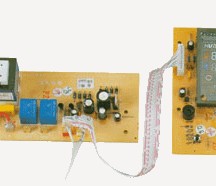
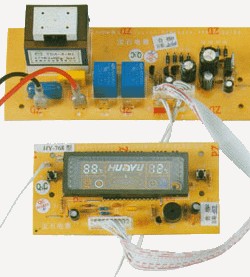
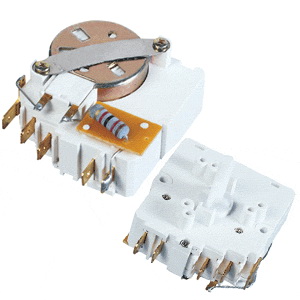
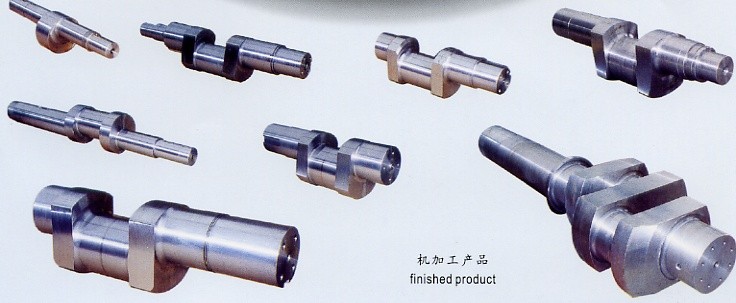
Source commercial-grade cleaning equipment parts in bulk from vetted manufacturers and suppliers. Designed for importers, distributors, and brands requiring OEM or aftermarket components, our factory-direct network ensures reliable quality, precision fit, and competitive wholesale pricing for high-volume procurement.
Sourcing commercial cleaning equipment parts requires balancing strict dimensional tolerances with high wear-resistance. Whether you are procuring aftermarket replacement components for industrial floor scrubbers or custom assemblies for a new line of pressure washers, the primary challenge is ensuring consistent material grades and exact fitment across high-volume production runs. A minor deviation in a seal's chemical resistance or a motor's thermal rating can lead to premature equipment failure in the field.
Critical Material Specifications
Cleaning equipment components are subjected to harsh detergents, abrasive surfaces, and continuous duty cycles. Specifying the correct material at the factory level is the most critical step in preventing downstream failures.
| Component | Standard Material | High-Performance Alternative | Primary Application |
|---|---|---|---|
| Squeegee Blades | Natural Rubber | Linatex or Polyurethane | Floor scrubbers on rough or oily surfaces |
| O-Rings & Seals | NBR (Nitrile) | Viton (FKM) or EPDM | High-temperature or aggressive chemical exposure |
| Brush Bristles | Polypropylene | Nylon or Silicon Carbide | Heavy-duty scrubbing and stripping |
| Pump Housings | Die-Cast Aluminum | Brass or Stainless Steel | High-pressure fluid delivery systems |
When dealing with Asian manufacturers, never assume the material grade. Always specify the exact polymer blend or alloy in your purchase order and require material test reports (MTRs) before production begins.
Struggling to verify material grades with overseas suppliers? We can help you audit factories and ensure your exact specifications are met on the production line.
Talk to our teamManufacturing Tolerances and Quality Control
The reliability of moving parts—such as vacuum motors, drive hubs, and high-pressure pumps—depends entirely on the factory's machining and assembly capabilities. Many suppliers assemble parts using sub-components from unverified tier-two workshops, which introduces severe quality risks.
To mitigate this, robust Quality Control & Inspection protocols must be implemented directly on the factory floor.
Key Inspection Points for Cleaning Parts
- Dynamic balancing for vacuum and brush drive motors to prevent excessive vibration.
- Hydrostatic pressure testing for valves, wands, and pump heads to verify leak-free operation.
- Dimensional verification of injection-molded housings to ensure seamless aftermarket fitment.
- Thermal overload testing on electrical components under continuous load conditions.
OEM vs. Aftermarket Sourcing Dynamics
Buyers typically source cleaning equipment parts via two routes: developing proprietary parts or purchasing aftermarket equivalents for major brands.
If you are developing proprietary components, leveraging OEM/ODM Services allows you to customize designs for specific performance criteria. However, this requires upfront investment in injection molds or die-casting tooling. It is crucial to negotiate mold ownership and IP protection before paying tooling deposits.
If you are sourcing aftermarket parts, the focus shifts to reverse-engineering accuracy. Not all factories have the metrology equipment required to perfectly replicate an OEM part. Conducting thorough Factory Audits ensures your chosen supplier has the CNC machinery and CMM (Coordinate Measuring Machine) capabilities necessary to match OEM tolerances.
Tooling Ownership
Always include a customized tooling agreement in your initial contract. Specify that the mold is your exclusive property, cannot be used for other clients, and can be transferred to another facility upon request.
Production Economics: MOQs, Lead Times, and Pricing
Pricing for cleaning equipment parts is highly dependent on raw material costs (specifically copper for motors, and petroleum for plastics/rubber) and the level of custom tooling required.
Consolidating multiple component types (e.g., ordering hoses, motors, and brushes for a single machine) often means dealing with three to four different specialized factories. Coordinating these production schedules is essential to avoid delayed shipments and bloated warehousing costs.
Need to consolidate complex component orders from multiple specialized factories? Let us coordinate your supply chain and negotiate better terms across the board.
Get a free consultationFrequently Asked Questions
The most successful importers of cleaning equipment parts do not just shop for the lowest unit price; they build a resilient supply chain where material integrity and dimensional tolerances are actively managed at the factory level. By controlling the quality at the source, you eliminate costly field failures and protect your brand's reputation.
Get Sourcing Help for Cleaning Equipment Parts
Tell us your requirements and our experts will connect you with verified manufacturers.