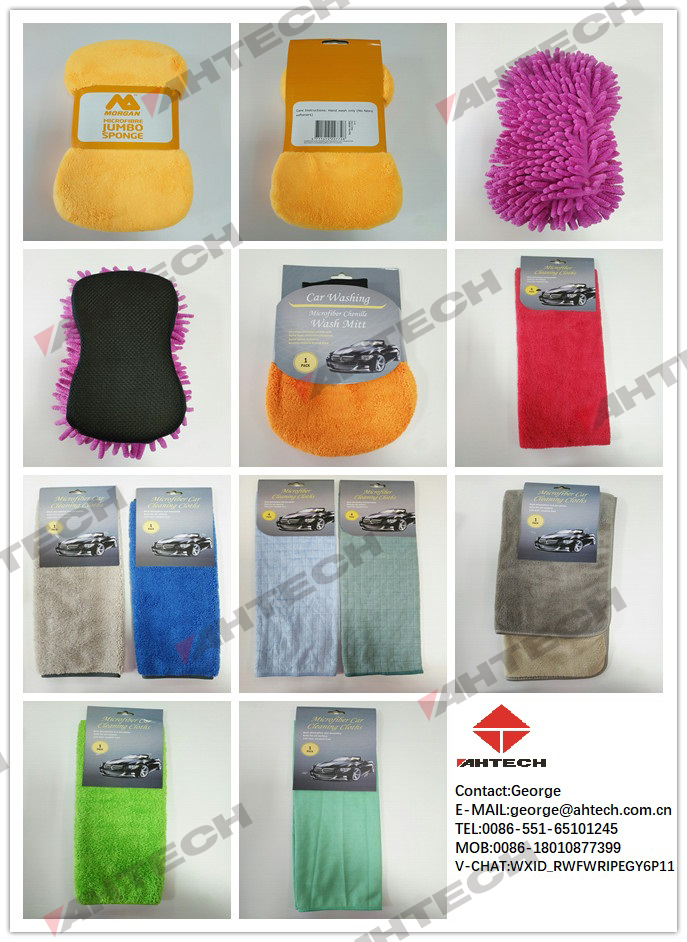
Cleaning Cloths
Source premium car care cleaning cloths from vetted manufacturers and suppliers across Asia. This category is tailored for importers, automotive distributors, and detailing brands requiring reliable OEM and private-label production. Secure competitive wholesale pricing on bulk orders with stringent quality control.
Sourcing automotive cleaning cloths at scale requires strict control over fabric composition, weight, and finishing. The difference between a premium detailing towel and a standard utility rag comes down to the microscopic splitting of fibers, precise dye fixation, and edge construction that prevents clear-coat micro-marring. When purchasing in bulk, specifying these variables accurately is the only way to ensure consistent performance across production runs.
Defining Microfiber Specifications
For automotive applications, standard cotton terry is rarely sufficient. The market is dominated by microfiber, evaluated on three primary metrics: blend ratio, GSM (Grams per Square Meter), and pile structure.
The blend ratio refers to the percentage of Polyester (for scrubbing and structure) to Polyamide (for absorbency and softness). A standard utility cloth is typically 80/20, while premium paint-safe detailing towels utilize a 70/30 blend. Verifying this ratio requires laboratory testing, as visually distinguishing between the two is impossible.
GSM determines the cloth's density and liquid capacity. Specifying the correct GSM for the intended application is critical to managing unit costs and functionality.
| Application | Typical GSM | Preferred Weave / Pile |
|---|---|---|
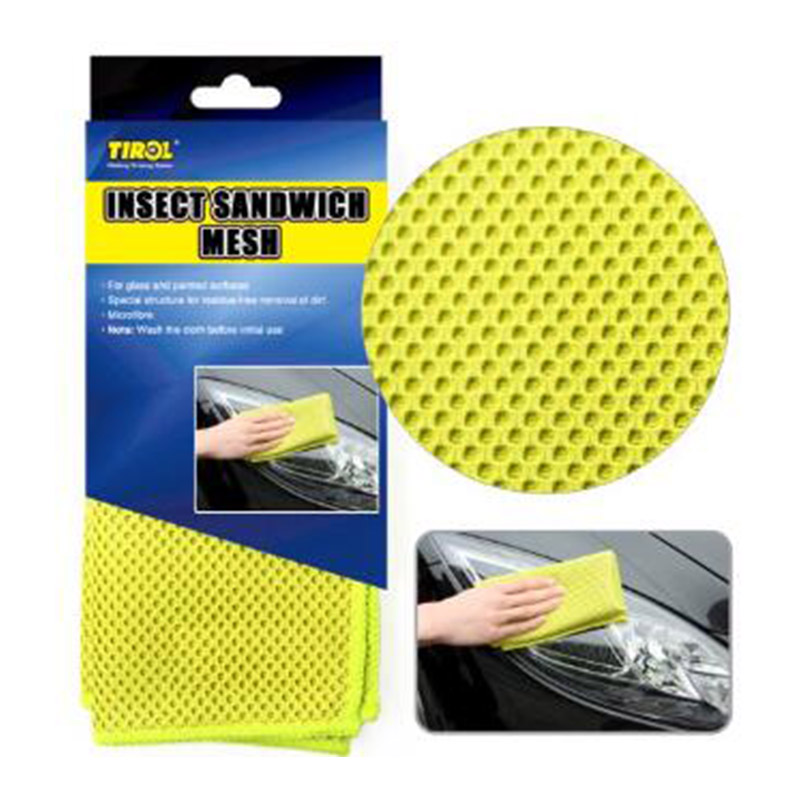
| Glass & Interior | 200 - 300 | Waffle Weave or Flat Knit |
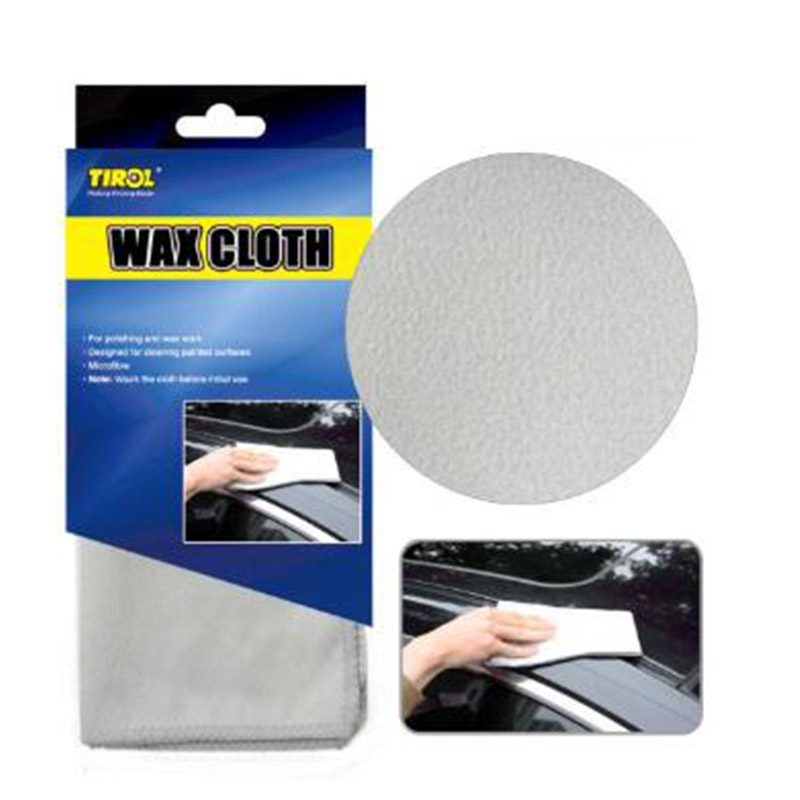
| Wax & Polish Removal | 300 - 500 | Plush Coral Fleece or Dual Pile |
| Heavy Drying | 600 - 1200+ | Twisted Loop or Heavy Terry |
Need to match a specific GSM, blend, or weave for your detailing brand? We help buyers source and verify exact fabric specifications from capable mills.
Talk to our teamManufacturing Quality and Common Defects
The production of cleaning cloths involves knitting, dyeing, splitting, cutting, and sewing. Defects introduced at any of these stages will ruin a product's viability for automotive use.
Colorfastness is a frequent issue. Deep colors (like black, heavy red, or dark blue) require extended dye fixation times. Factories rushing production often skip proper washing cycles, resulting in dye bleeding that can stain vehicle interiors or other towels during washing.
Edge finishing is equally critical. A hard, poorly stitched edge will scratch automotive paint, negating the benefits of a high-GSM towel.
Pre-Shipment Inspection Focus Areas
- Edge Inspection: Verify ultrasonic cuts (edgeless) are not melted hard, or that silk-banded edges use soft, non-abrasive thread.
- Lint Testing: Conduct mechanical tape tests to ensure the splitting process was completed properly and the towel does not shed.
- Weight Tolerance: Weigh random samples to ensure the GSM falls within an acceptable tolerance (typically plus or minus 3 percent).
- Colorfastness: Perform wet and dry rub tests to verify dye stability.
Implementing rigorous quality control and inspection protocols before the goods leave the factory is essential. If a supplier consistently struggles with these parameters, conducting comprehensive factory audits can help determine if they actually control their own knitting and dyeing processes or if they are simply a trading company outsourcing to the lowest bidder.
OEM Customization and Packaging
For brands building a private-label detailing line, the cloth itself is only part of the product. OEM and ODM services allow for extensive customization, including embossed logos on the microfiber, custom-dyed fabric to match brand colors, and specific packaging solutions.
Tear-away wash labels are mandatory for automotive cloths, as standard sewn-in tags can scratch paint. Furthermore, retail-ready packaging—such as printed belly bands, clamshells, or custom polybags—requires coordination. Utilizing specialized branding and design support ensures your packaging meets retail requirements while surviving international transit.
Typical MOQs and Lead Times
Minimum Order Quantities (MOQs) for cleaning cloths are dictated by the dyeing vat capacities, not the number of individual towels. Factories typically require a minimum of 300 to 500 kilograms of fabric per color.
- Lightweight Cloths (250 GSM): 500kg yields roughly 10,000 to 12,000 pieces.
- Heavyweight Drying Towels (800 GSM): 500kg yields roughly 2,000 to 3,000 pieces.
If you accept standard factory colors, MOQs can sometimes be negotiated down. Typical production lead times range from 25 to 40 days, depending on whether the factory needs to spin custom yarn or if they hold greige (unfinished) fabric in stock.
Planning a volume order? We can negotiate MOQs, manage production schedules, and consolidate shipments to optimize your landed costs.
Get a free consultationFrequently Asked Questions
Sourcing automotive cleaning cloths at a professional level requires treating the product as a technical textile rather than a disposable commodity. By strictly defining your GSM, blend ratios, and edge finishing—and enforcing those specs through diligent oversight—you can secure reliable, high-performance inventory that protects both the vehicle and your brand's reputation.
Get Sourcing Help for Cleaning Cloths
Tell us your requirements and our experts will connect you with verified manufacturers.