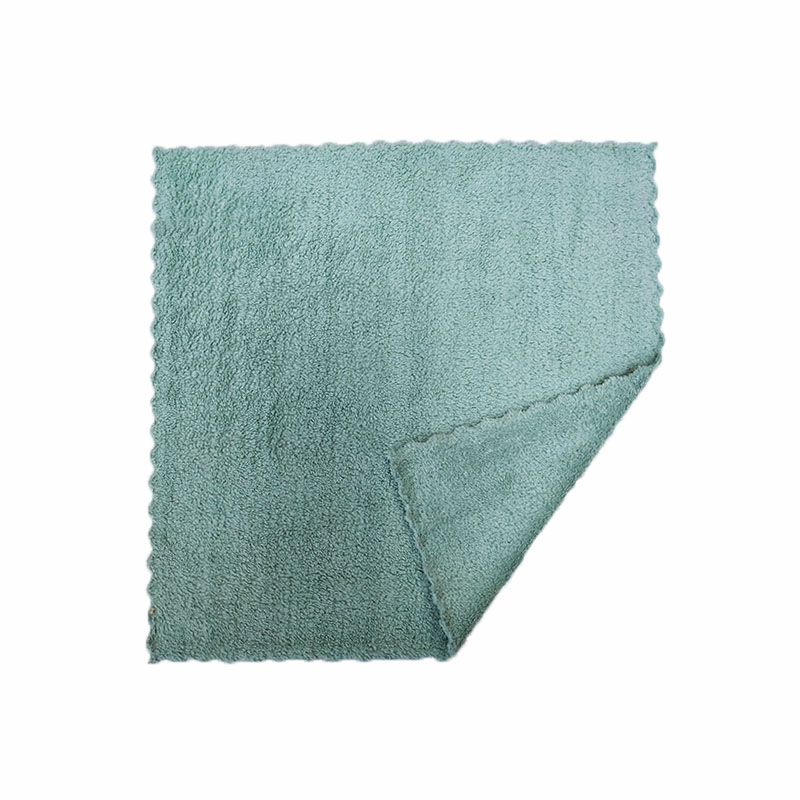
Cleaning Cloths
Source premium wholesale cleaning cloths directly from vetted manufacturers and suppliers in Asia. Designed for importers, distributors, and brands seeking reliable OEM/ODM private-label production, our network delivers consistent quality, scalable volume, and competitive pricing for all your commercial and household textile needs.
Sourcing cleaning cloths at scale requires balancing precise material specifications, absorbency requirements, and unit costs. Whether you are procuring heavy-duty commercial wipes, delicate lens cloths, or retail-ready microfiber towels, success depends on locking down exact yarn blends, fabric weights, and edge-finishing techniques before production begins.
Many buyers face issues with inconsistent fabric weights or dye bleeding because they rely on generic supplier catalogs rather than dictating strict manufacturing tolerances.
Defining Material Specifications
The performance of a cleaning cloth is primarily dictated by its material composition and its Grams per Square Meter (GSM). In the wholesale market, microfiber dominates, but the exact polyester-to-polyamide ratio must be specified in your purchase order.
A standard 100 percent polyester cloth is cheap but pushes water around rather than absorbing it. True cleaning performance requires a split microfiber blend, typically 80/20 or 70/30 (Polyester/Polyamide). Polyamide provides the absorbing power and soft hand-feel, making the 70/30 blend superior but more expensive due to higher raw material costs.
| Application | 200–250 GSM | 300–400 GSM | 400+ GSM |
|---|---|---|---|
| Typical Use | Economy / Disposable | General Household | Automotive / Commercial |
| Common Blend | 100% Poly or 90/10 | 80/20 Poly/Polyamide | 70/30 Poly/Polyamide |
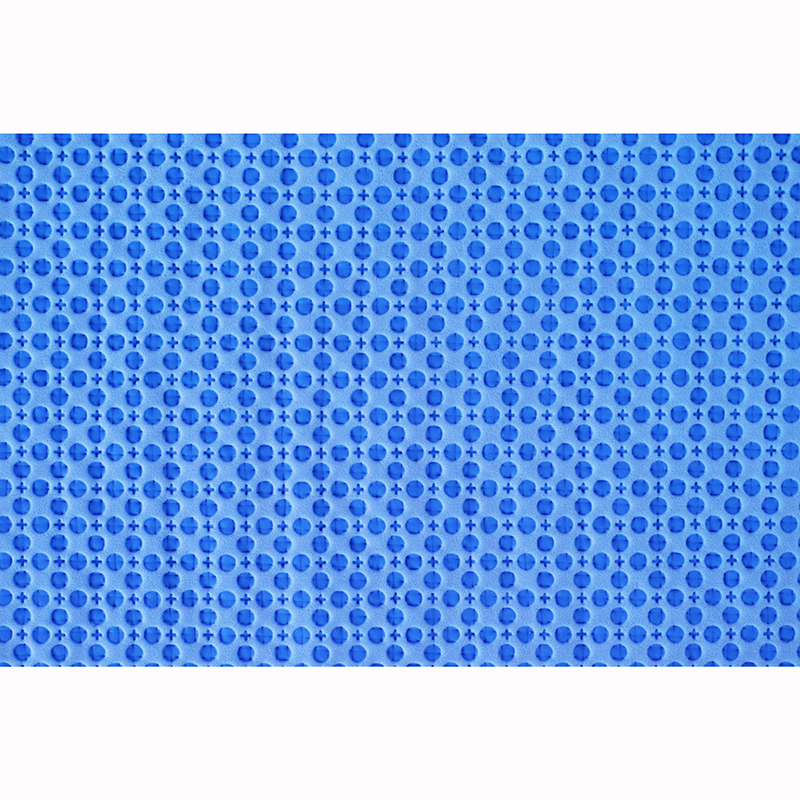
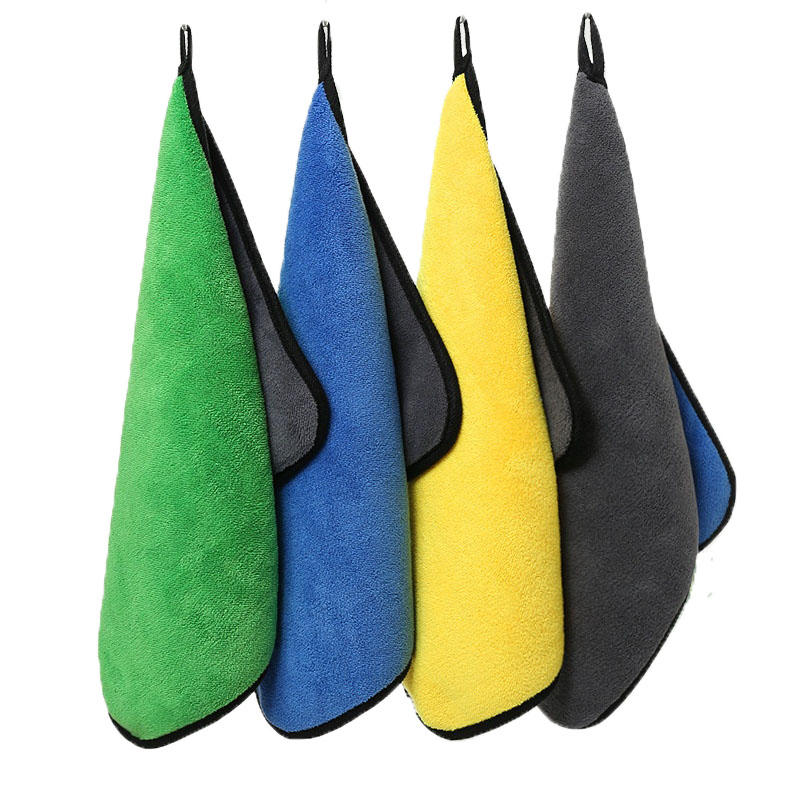
| Weave Style | Flat or Warp Knit | Terry Weave | Coral Fleece / Twisted Loop |
Struggling to verify the true GSM and yarn blends of your current supplier? Let our sourcing experts establish strict production standards for your next order.
Talk to our teamManufacturing Quality and Common Defects
Not all textile factories are fully integrated. Many simply buy pre-woven fabric rolls from open markets, cut them to size, and sew the edges. This fragmented supply chain is where quality control issues frequently arise. Conducting proper Factory Audits is crucial to verify if a supplier actually controls the weaving and dyeing processes.
Edge Finishing Techniques
The edge of the cloth determines its durability and suitability for specific surfaces:
- Overlock Stitching: The most common and cost-effective finish. If the factory uses low-quality thread or poor tensioning, the edges will unravel after a few wash cycles.
- Ultrasonic Cut: Uses heat and high-frequency vibrations to melt and seal the edges without stitches. Essential for scratch-free automotive detailing cloths.
- Banded / Silk Edges: A premium finish using a separate strip of soft fabric sewn around the border, common in high-GSM retail towels.
Critical Pre-Shipment QC Checks
- GSM Verification: Weighing dry samples to ensure they meet the contracted weight tolerance (typically plus or minus 3%).
- Color Fastness Testing: Checking for dye bleeding, especially critical for dark colors like black, red, and navy.
- Dimensional Accuracy: Ensuring post-wash shrinkage remains within acceptable limits.
- Edge Integrity: Pull-testing overlock stitches to check for unraveling.
To prevent defective batches from leaving the factory floor, implementing rigorous Quality Control & Inspection protocols before final packaging is non-negotiable.
MOQs, Pricing, and Private Label Production
Pricing for cleaning cloths is highly sensitive to raw material costs (petroleum prices for synthetic yarns), exchange rates, and order volume. When developing custom products through OEM/ODM Services, your Minimum Order Quantity (MOQ) will shift dramatically based on your customization requirements.
If you select stock fabric colors and standard sizes (e.g., 40x40 cm), factories can often accommodate orders as low as 2,000 to 3,000 pieces. However, if you require a custom Pantone dye match, the factory must dye a minimum batch of yarn or fabric—usually around 300 to 500 kilograms. Depending on the GSM and size of your cloth, a custom-dyed order will typically push your MOQ to 15,000 pieces or more.
Need to consolidate orders from multiple textile manufacturers to optimize freight costs? See how our supply chain team can streamline your operations.
Get a free consultationFrequently Asked Questions
Sourcing cleaning cloths profitably is about managing the invisible details: exact yarn ratios, strict GSM tolerances, and verified color fastness. By defining these parameters clearly in your initial factory negotiations, you protect your margins and ensure consistent product performance batch after batch.
Get Sourcing Help for Cleaning Cloths
Tell us your requirements and our experts will connect you with verified manufacturers.