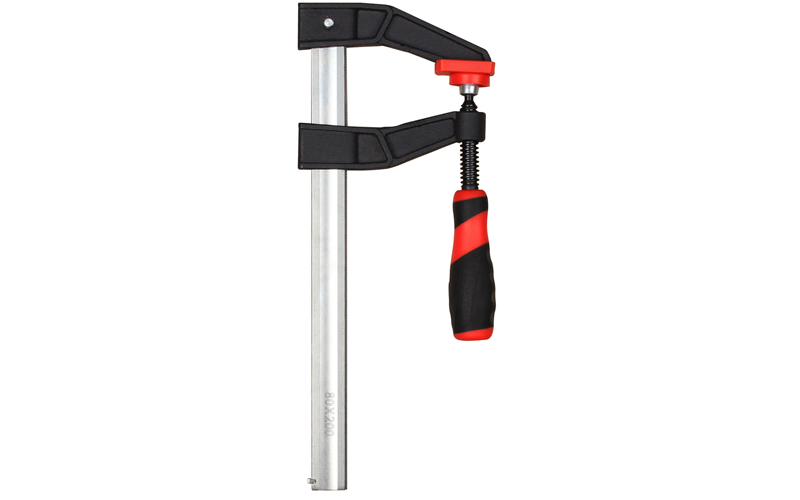
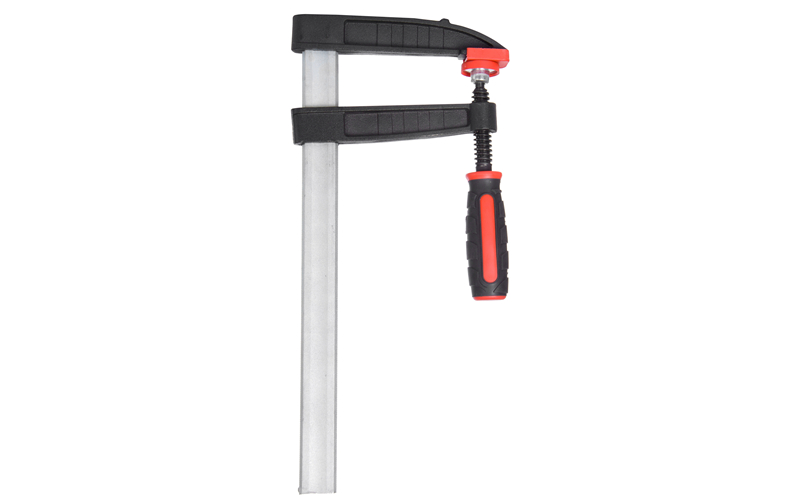
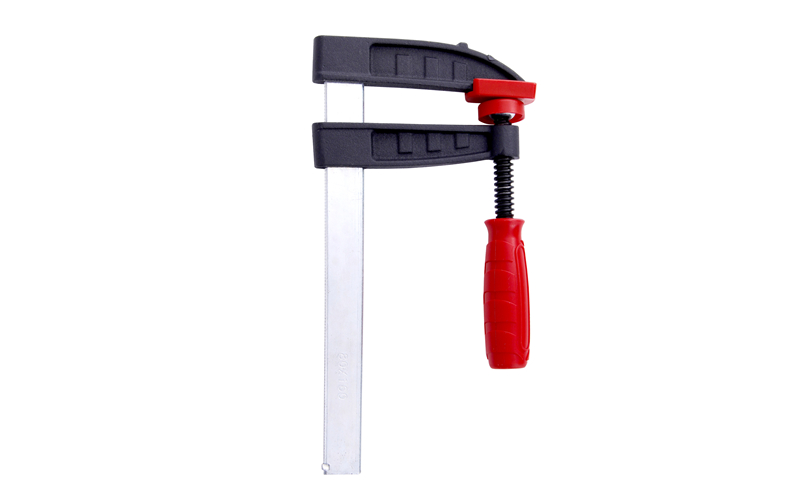
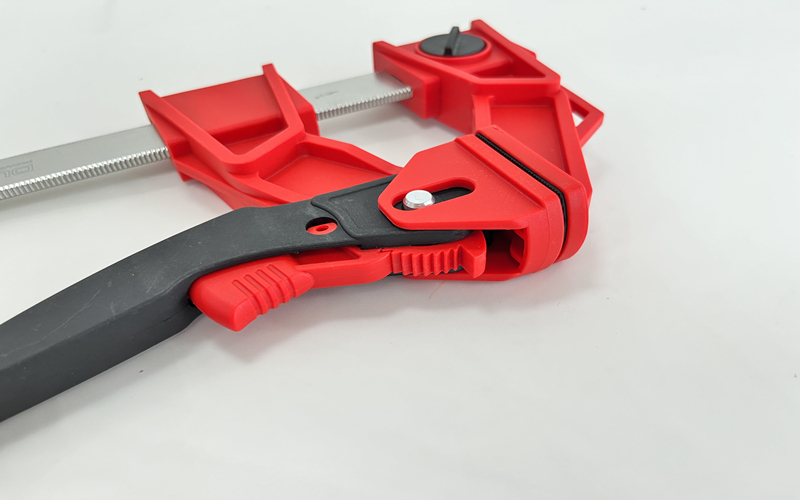
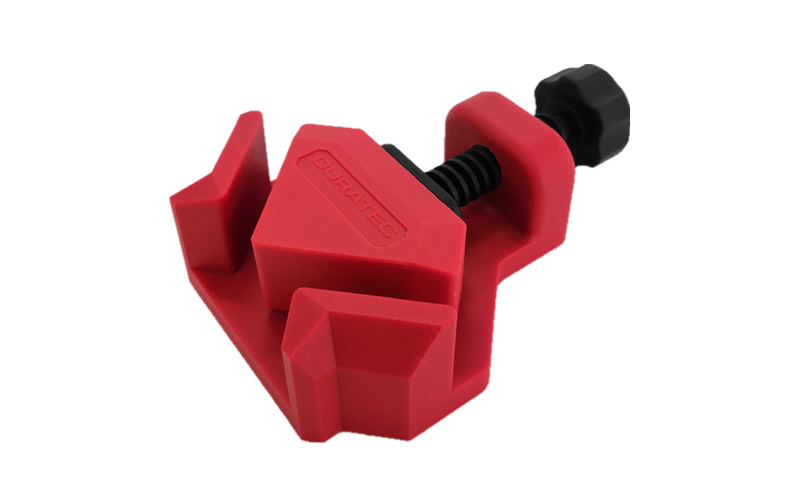
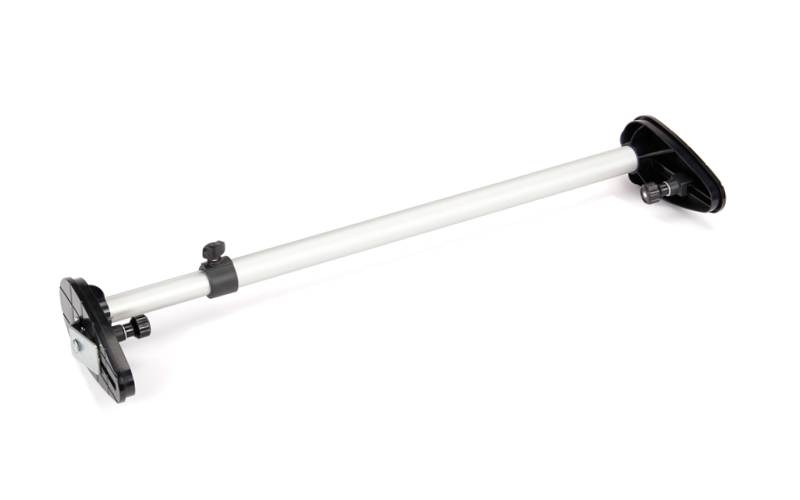
Clamps
Source high-quality clamps from vetted manufacturers and suppliers built for heavy-duty industrial and commercial applications. Designed for importers, hardware distributors, and tool brands seeking reliable OEM and private-label production in bulk.
Sourcing industrial, woodworking, and automotive clamps in bulk requires strict attention to metallurgy, thread tolerances, and load capacities. Relying on superficial visual checks is a fast track to product failure under stress. Success means partnering with factories that tightly control their casting, forging, and machining processes from raw material to final assembly.
Manufacturing Methods & Material Selection
The structural integrity of a clamp is dictated by its manufacturing process. Factories specializing in light-duty hand tools often lack the heavy drop-forging equipment required for industrial-grade fastening.
| Manufacturing Method | Typical Materials | Best For | Cost Profile |
|---|---|---|---|
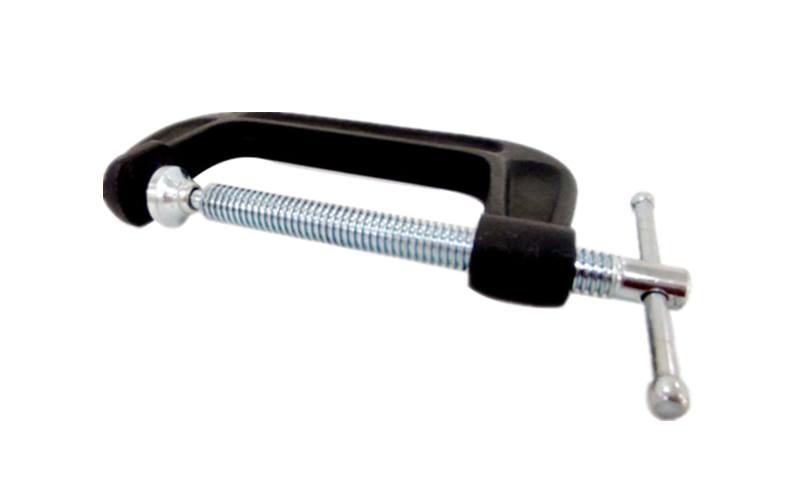
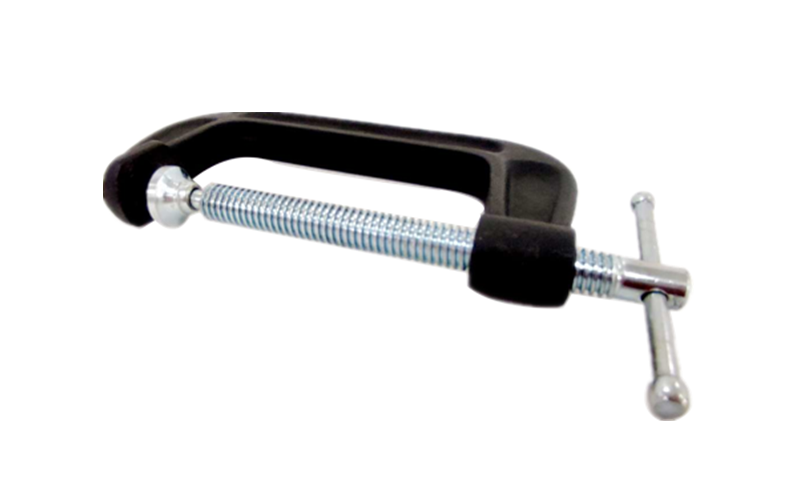
| Drop Forging | High-carbon steel, Cr-V | Heavy-duty C-clamps, high-tension uses | Higher unit cost, high tooling cost |
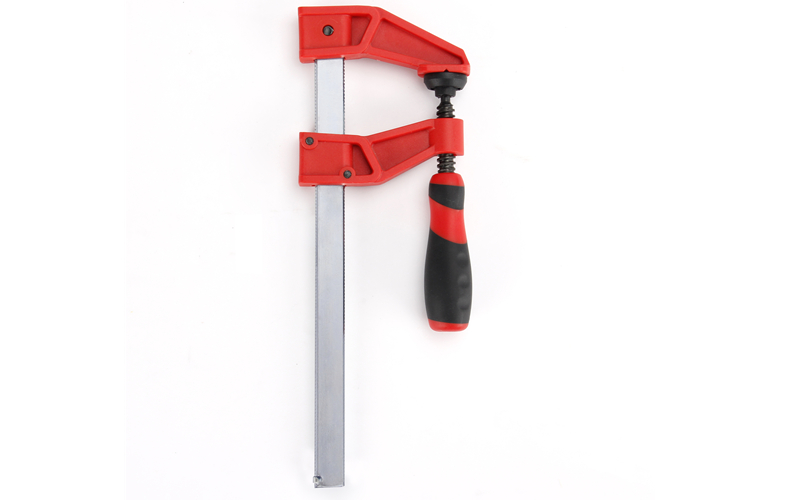
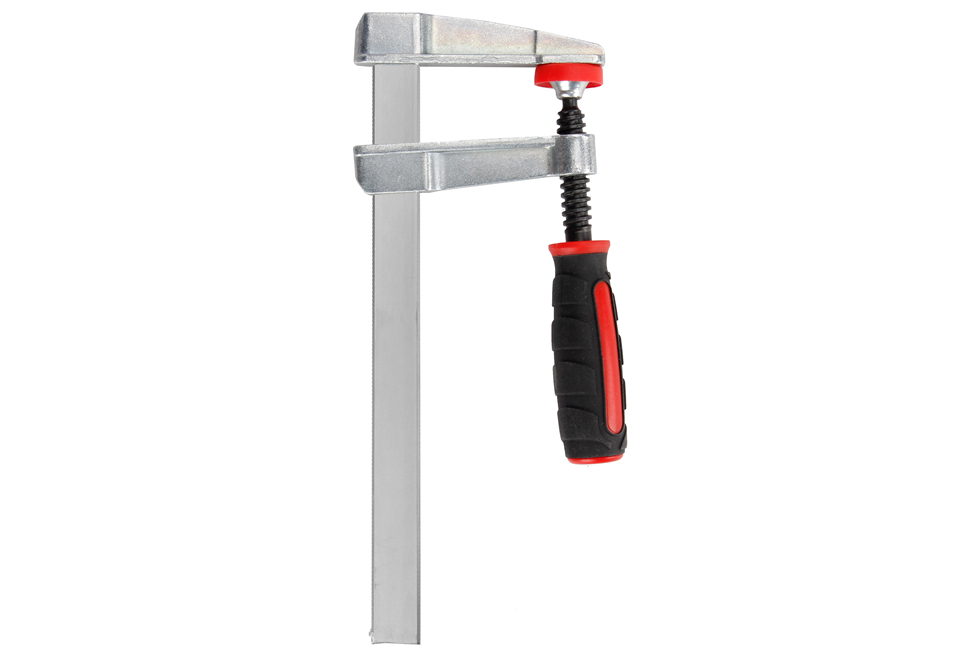
| Ductile Iron Casting | Nodular cast iron | F-clamps, bar clamps, woodworking | Moderate cost, excellent vibration dampening |
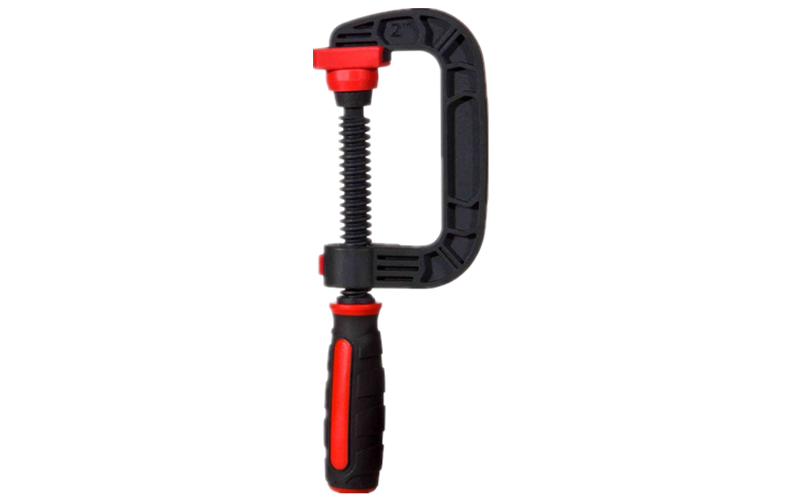
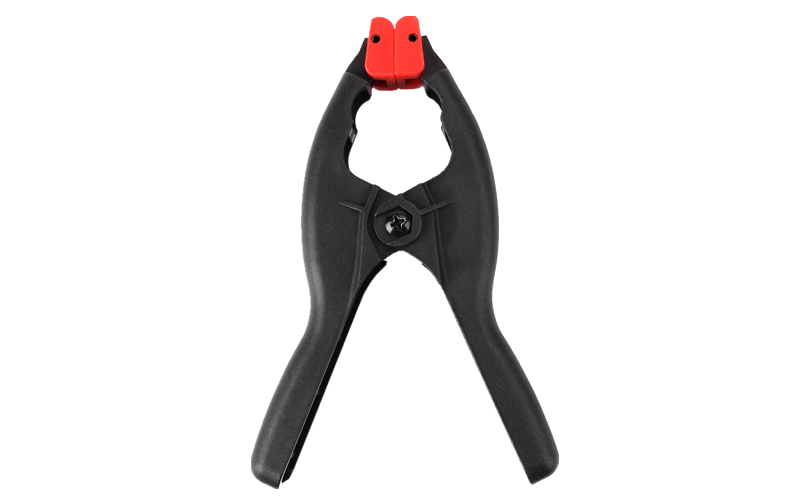
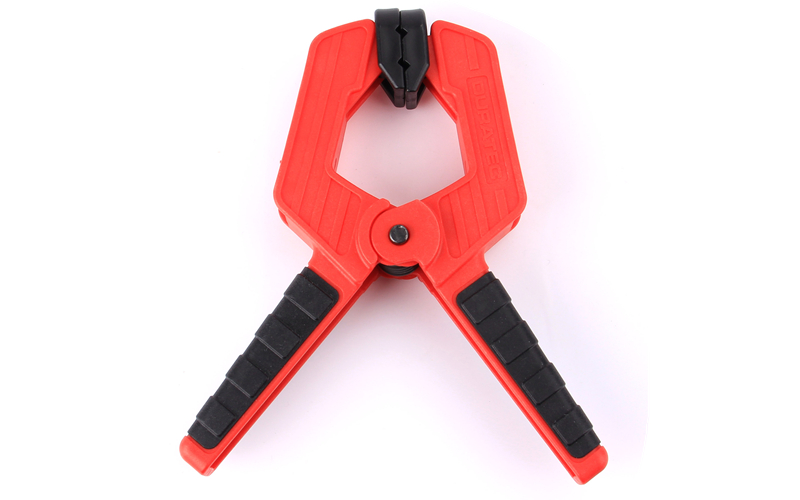
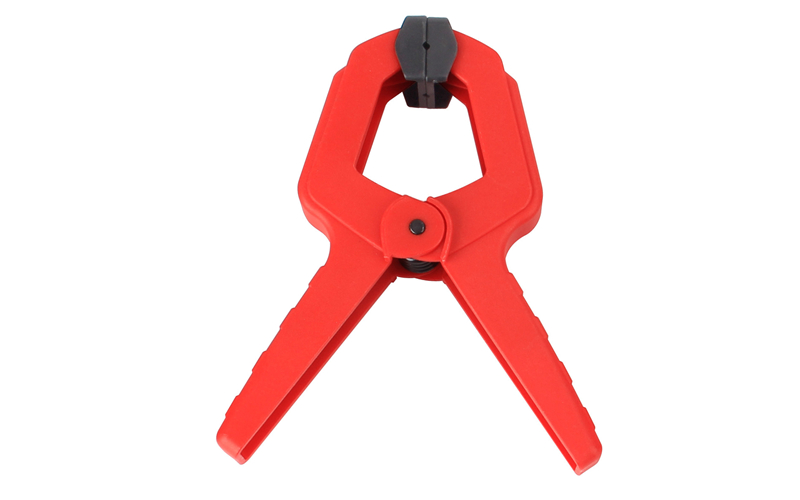
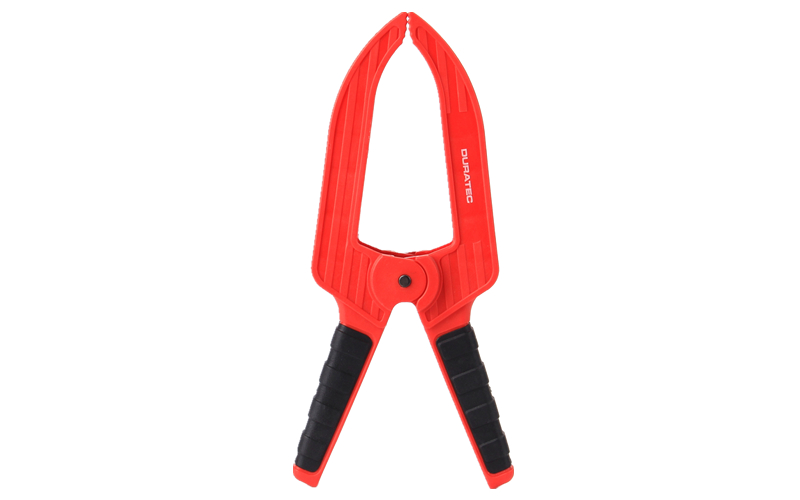
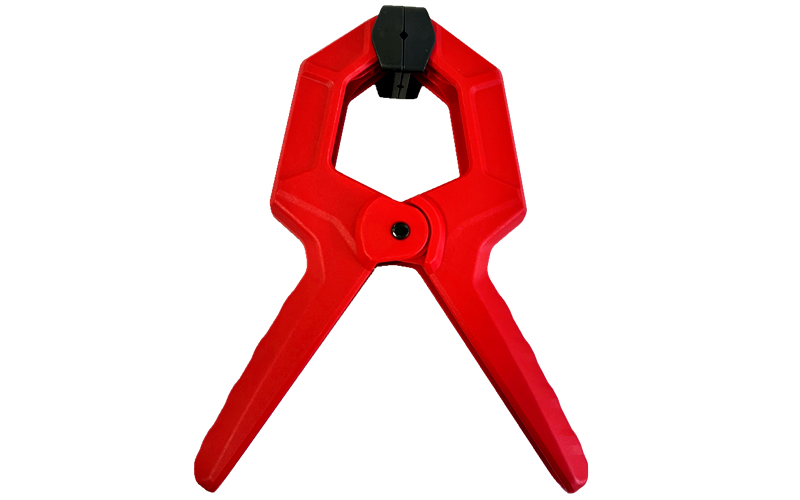
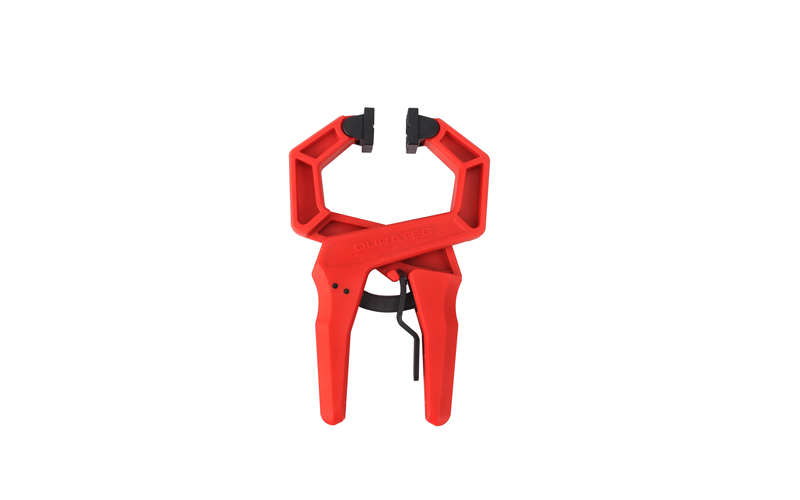
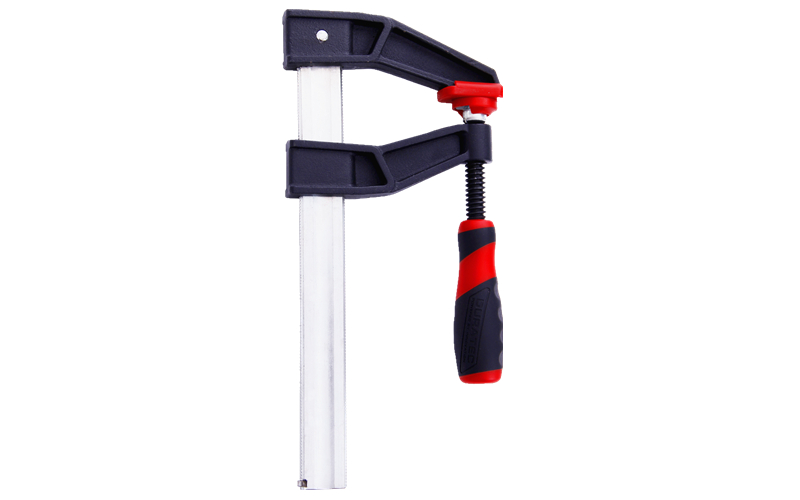
| Injection Molding | Nylon, fiberglass-reinforced plastics | Quick-grip clamps, spring clamps | Low unit cost, high initial mold cost |
Before placing high-volume orders, conducting thorough factory audits ensures the supplier actually possesses the in-house heat treatment and CNC machining equipment they claim, rather than outsourcing critical structural steps to unverified sub-suppliers.
Evaluating a new clamp manufacturer? We verify metallurgical capabilities and production capacity before you commit your capital.
Talk to our teamCritical Specifications for Bulk Orders
When negotiating with a manufacturer, vague specifications lead to inconsistent batches. Professional buyers must define exact tolerances and material grades in their purchase orders.
Key Specifications to Define
- Clamping Force Capacity: Specify exact kN or lbs required before deflection or failure occurs.
- Thread Profile: Require Acme threads for higher load transmission and wear resistance compared to standard V-threads.
- Heat Treatment: Specify HRC hardness requirements for the spindle, anvil, and sliding arms.
- Surface Finish Thickness: Define micron requirements for zinc plating or powder coating to pass targeted salt spray tests.
Quality Control & Testing Regimens
A clamp that snaps under pressure is a massive liability. Implementing strict quality control protocols during production prevents defective, brittle batches from leaving the factory floor.
Raw Material Verification
Using spectrometer testing to confirm the exact steel or iron grade before casting or forging begins.
Hardness Testing
Conducting Rockwell hardness testing (HRC) on spindles and pads to ensure proper heat treatment.
Proof Load Testing
Applying the maximum rated clamping force to sample units to check for frame deflection or catastrophic failure.
Corrosion Resistance
Running standard salt spray tests for plated and coated components to ensure longevity in industrial environments.
Production Realities: MOQ, Lead Times, and Customization
Tool brands requiring custom mold designs, proprietary quick-release mechanisms, or specific colorways rely on robust OEM/ODM services to protect their intellectual property and ensure accurate reproduction at scale.
Need to negotiate lower MOQs or better pricing on a custom tooling project? Let our sourcing experts handle the factory negotiations.
Get a free consultationFrequently Asked Questions
Securing a reliable supply chain for hardware and fastening tools means looking past the surface finish and verifying the structural integrity of the manufacturing process. By defining strict metallurgical standards and validating factory capabilities, you ensure your product performs flawlessly under pressure.
Get Sourcing Help for Clamps
Tell us your requirements and our experts will connect you with verified manufacturers.