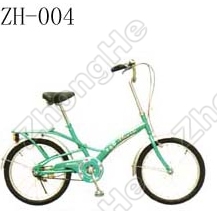
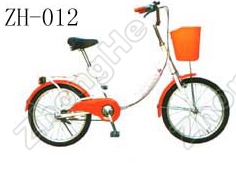
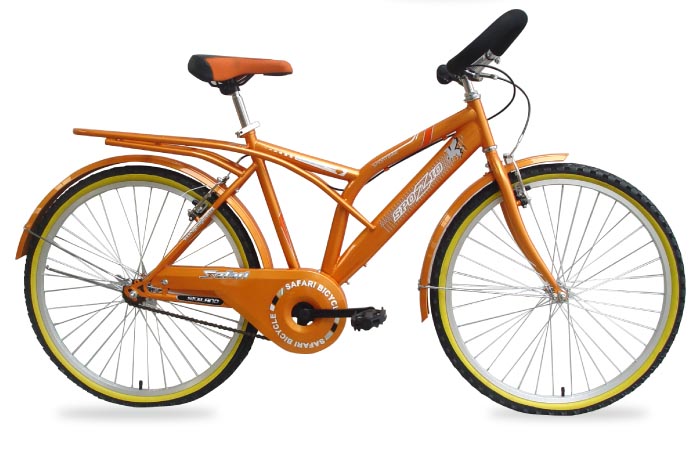
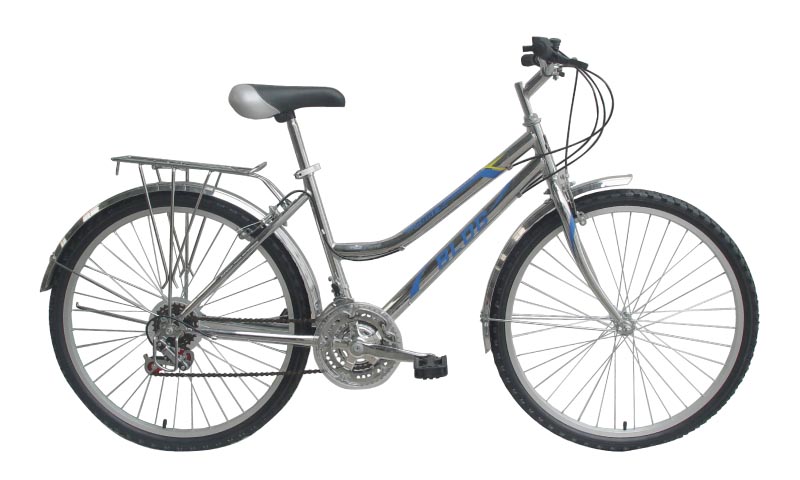
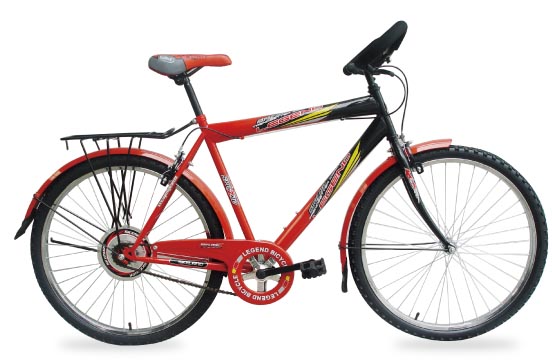
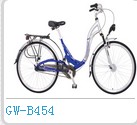
City Bikes
Source high-quality city bikes directly from vetted manufacturers and wholesale suppliers in Asia. Designed for importers, distributors, and mobility brands seeking reliable OEM and private-label production, our network delivers scalable manufacturing with rigorous quality control to meet international standards.
Sourcing city bikes at volume requires navigating a fragmented supplier base where frame durability, component compatibility, and finish quality vary wildly. For urban mobility brands, fleet operators, and distributors, the challenge is not just finding a factory—it is engineering a spec sheet that survives daily commuting, managing volatile component lead times, and maintaining healthy margins.
Frame Materials and Urban Geometry
The foundation of any city bike is its frame. The choice of material dictates not only the ride quality and weight but also the manufacturing complexity and raw material costs. Urban environments demand high corrosion resistance and structural integrity to handle potholes, curbs, and heavy loads.
| Material | Characteristics | Typical Application | Cost Profile |
|---|---|---|---|
| Hi-Ten Steel | Heavy, highly durable, absorbs vibration well | Entry-level commuter bikes, rental fleets | Low |
| Chromoly (4130) | Lighter than Hi-Ten, excellent fatigue life | Premium steel commuters, touring bikes | Medium-High |
| Aluminum (6061) | Lightweight, stiff, rust-proof | Mid-to-high end urban and fitness bikes | Medium |
When defining your geometry, specify the exact bottom bracket drop, head tube angle, and chainstay length to ensure the bike handles predictably when loaded with racks or baskets. Step-through frames require thicker tubing or gussets at the bottom bracket to compensate for the lack of a top tube, which introduces specific welding challenges during production.
Need to match your technical spec sheet to a capable manufacturer? We can help you identify factories with the right tooling and fabrication expertise.
Talk to our teamCritical Manufacturing and Assembly Checkpoints
Quality is won or lost on the factory floor long before the components are bolted on. A poorly prepped frame will lead to premature bearing wear and paint failure.
Factory-Floor Quality Checks
- Bottom Bracket & Headset Facing: Ensure paint and weld spatter are milled away so bearings sit perfectly flush.
- TIG Welding Consistency: Inspect for uniform 'stack of dimes' appearance without undercutting or porosity.
- Anti-Corrosion Treatment: Steel frames must undergo Electrophoretic Deposition (ED) coating inside and out before painting.
- Wheel Truing: Verify spoke tension consistency using digital tensiometers, not just visual alignment.
- Thread Chasing: All mounting points (fenders, racks, bottle cages) must be chased post-painting to ensure clean threads.
Catching alignment or finishing issues after the bike is assembled is costly. Implementing rigorous Quality Control & Inspection during the frame fabrication stage (in-line inspection) is critical to preventing systemic defects across a production run.
Packaging and Shipping Logistics
City bikes are bulky, making freight optimization a primary driver of landed cost. Buyers must choose between different levels of assembly, which impacts both container utilization and final assembly costs in your destination market.
- 85% SKD (Semi-Knocked Down): The industry standard. The frame, rear wheel, and drivetrain are assembled. The front wheel, handlebars, pedals, and saddle are removed. This balances container density with reasonable assembly time for the end retailer.
- 95% SKD: Almost fully assembled, often just requiring the pedals to be attached and the handlebars turned. Lowers local labor costs but drastically reduces the number of units you can fit in a 40HQ container.
- CKD (Completely Knocked Down): Unassembled parts. Maximizes container space and is often used to bypass high anti-dumping duties on complete bicycles, but requires a full assembly line at the destination.
MOQs, Lead Times, and OEM Pricing
City bike production is heavily dependent on the global supply chain for drivetrain components (Shimano, SRAM, Microshift). While frame fabrication is relatively fast, component procurement dictates the timeline.
If you are developing a custom frame or integrating proprietary cargo solutions, leveraging professional OEM/ODM Services ensures your CAD designs translate accurately into factory tooling. Tooling costs for custom aluminum extrusion profiles or forging dies will require higher upfront investment but provide strong brand differentiation.
Struggling with long component lead times or inconsistent assembly quality? Let us help you streamline your supply chain and negotiate better terms.
Get a free consultationFrequently Asked Questions
Securing a reliable supply of city bikes means looking past the initial unit price and evaluating a factory's component supply network, welding precision, and quality management systems. A proactive approach to specification and factory auditing is the only way to build a resilient, profitable bicycle supply chain.
Get Sourcing Help for City Bikes
Tell us your requirements and our experts will connect you with verified manufacturers.