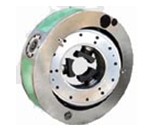
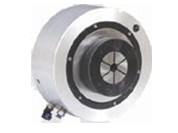
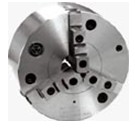
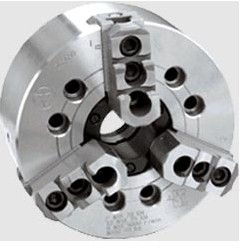
Chucks
Source high-precision chucks directly from vetted manufacturers and wholesale suppliers. Designed for importers, industrial distributors, and brands seeking reliable OEM production. Ensure superior grip force and minimal runout for demanding machining applications.
Sourcing machining chucks in volume requires navigating a fragmented supplier base where the difference between a high-precision tool and a scrap-producing liability often comes down to microns. For industrial distributors and OEM brands, securing reliable production means looking past the polished exterior to evaluate a factory's grinding capabilities, heat treatment consistency, and internal quality control protocols.
Critical Specifications for Volume Sourcing
When negotiating with manufacturers, vague specifications lead to inconsistent batches. Professional buyers must dictate exact tolerances and material grades to ensure the final product meets industrial standards.
Total Indicator Reading (TIR) and Runout
Runout is the primary metric of chuck quality. Standard commercial chucks typically offer a TIR of 0.05mm to 0.08mm, which is sufficient for general manual turning. For CNC applications, you must specify precision tolerances of under 0.02mm. Ensure the factory tests runout at multiple distances from the chuck face using certified test bars, not just at the jaw base.
Body Material Selection
The choice of body material dictates the chuck's maximum safe RPM and durability.
| Material Type | Primary Application | Max RPM Capability | Cost Factor |
|---|---|---|---|
| Cast Iron (HT300) | Manual lathes, standard duty | Low to medium | Baseline standard |
| Forged Steel | CNC, high-speed machining | High | Plus 30-50% premium |
Need to verify a chuck manufacturer's precision grinding and heat treatment capabilities?
Talk to our teamManufacturing Quality and Defect Prevention
The longevity and gripping force of a chuck rely heavily on the hardening processes applied to the scroll gear, pinions, and jaws. Inconsistent heat treatment is a common failure point in lower-tier factories, leading to premature wear and loss of accuracy.
To mitigate these risks, implementing strict Quality Control & Inspection protocols during production is essential. Inspectors should focus on the depth of the hardening layer on the scroll threads and the surface finish of the internal guideways.
Pre-Shipment Inspection Focus Areas
- Verify TIR with certified test bars at 50mm and 100mm from the chuck face.
- Check jaw numbering and sequential fit to prevent binding during operation.
- Inspect scroll gear and pinion engagement for smooth operation without excessive backlash.
- Confirm surface hardness (HRC) of jaws and pinions meets specified requirements.
- Ensure proper application of anti-rust agents and secure packaging for ocean freight.
Supplier Vetting and OEM Production
Many suppliers in the machining accessories sector are assemblers rather than true manufacturers. They purchase cast bodies, scrolls, and jaws from various sub-suppliers and assemble them in-house. While this isn't inherently bad, it makes quality consistency harder to control.
Conducting comprehensive Factory Audits is critical to determine if a supplier handles the most sensitive operations—specifically final grinding and heat treatment—in-house.
If you are developing a private-label line, OEM/ODM Services can facilitate custom branding. This includes laser-etched logos, custom jaw configurations (such as specific soft jaw dimensions), and specialized mounting plates tailored to your target market.
Pricing, MOQs, and Lead Times
Procurement planning must account for the realities of industrial tool manufacturing. While standard sizes are often produced in continuous runs, custom mounts or high-precision variants require dedicated setup times.
Raw Material Fluctuations
Pricing for steel-body chucks is highly sensitive to global steel commodity prices. When negotiating annual contracts, ensure your supplier agreement includes clear mechanisms for price adjustments based on raw material indexes.
Planning a volume order for custom machining accessories? Let's discuss your supply chain strategy.
Get a free consultationFrequently Asked Questions
Achieving consistent quality in machining accessories requires moving beyond basic transactional sourcing. By establishing clear technical specifications and maintaining rigorous oversight of the manufacturing process, buyers can secure reliable, high-margin products that perform flawlessly on the shop floor.
Get Sourcing Help for Chucks
Tell us your requirements and our experts will connect you with verified manufacturers.