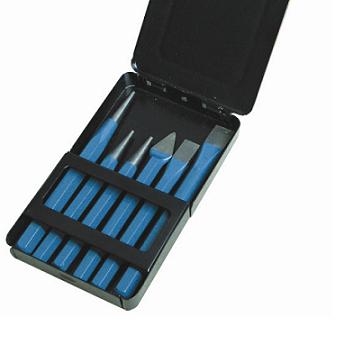
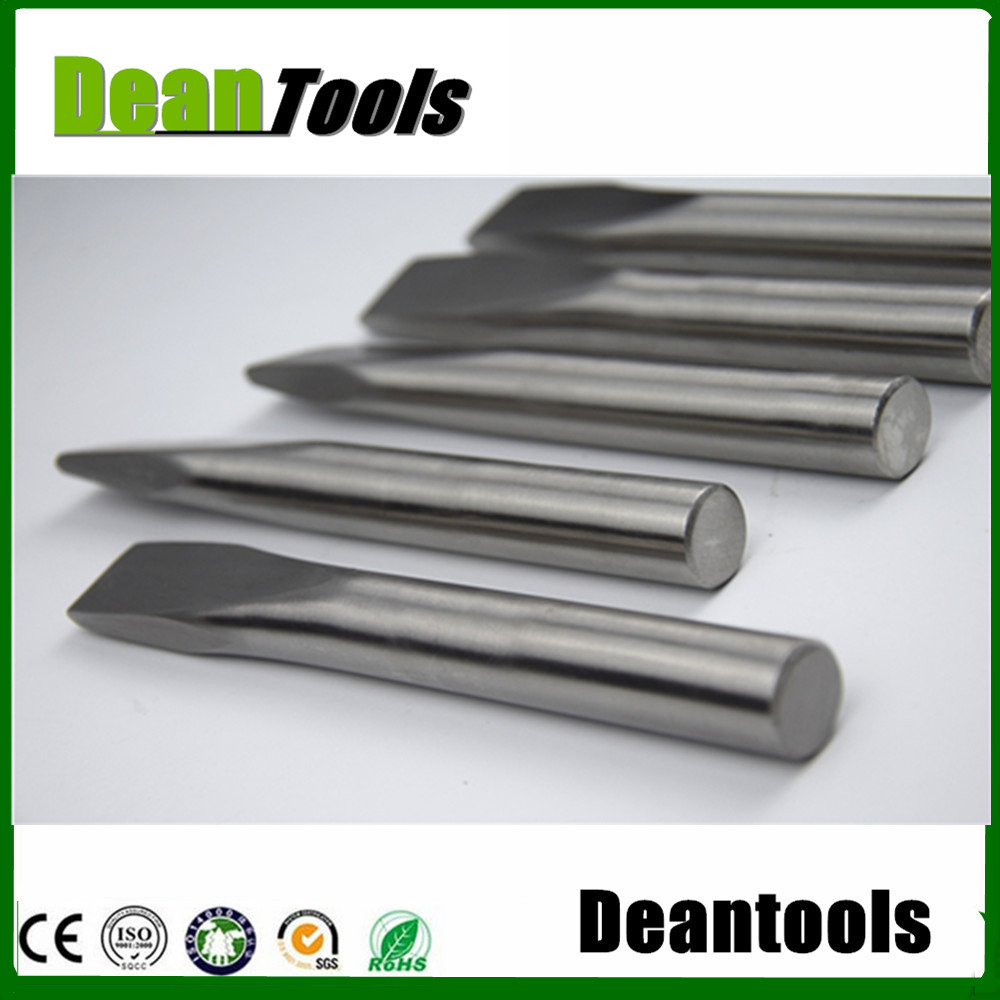
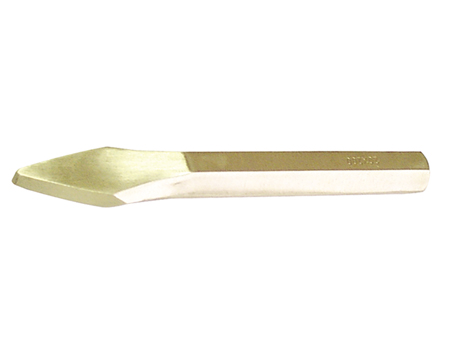
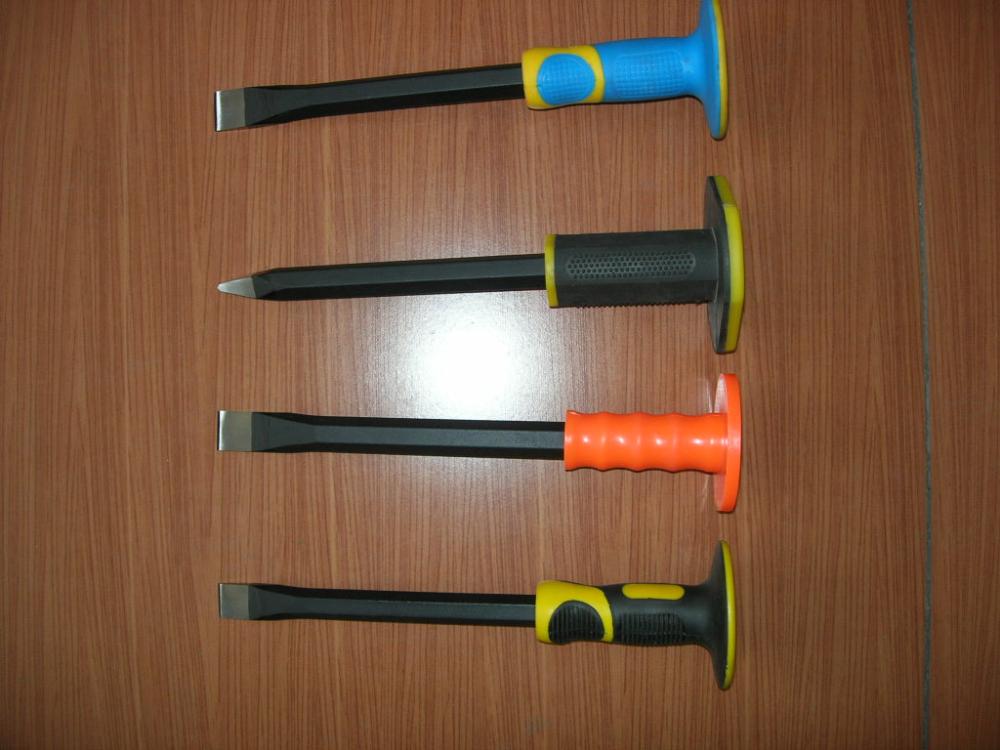
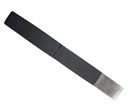
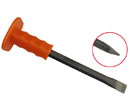
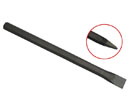
Chisels & Punches
Source high-quality chisels and punches directly from vetted manufacturers and wholesale suppliers. Designed for hardware distributors, industrial importers, and brands requiring reliable OEM and private-label production. Secure competitive bulk pricing on durable striking tools built to precise professional standards.
Sourcing striking tools in volume requires strict attention to metallurgy and manufacturing consistency. Chisels and punches are subjected to extreme impact forces, meaning a slight deviation in steel composition or tempering can result in tools that either mushroom under pressure or shatter dangerously. For wholesale buyers and industrial brands, navigating the Chinese hardware supply chain means identifying factories capable of precise differential heat treatment, not just basic drop forging.
Material Selection and Steel Grades
The foundation of any industrial-grade chisel or punch is the steel blank. While low-tier suppliers often push generic carbon steel to hit aggressive price points, professional-grade tools require specific alloys to balance hardness and toughness.
| Material Grade | Typical Hardness (HRC) | Primary Application | Cost Profile |
|---|---|---|---|
| High Carbon Steel (1050/1060) | 48-52 | Entry-level woodworking, light masonry | Low |
| Chrome-Vanadium (Cr-V) | 52-58 | Professional cold chisels, pin punches | Medium |
| Chrome-Molybdenum (Cr-Mo) | 54-60 | Heavy-duty industrial, pneumatic bits | High |
When defining specifications for OEM/ODM Services, always specify the exact steel grade and demand raw material certificates. Substituting Cr-V with high-carbon steel is a common cost-cutting measure that drastically reduces the tool's lifespan and safety.
The Heat Treatment Challenge
The most critical phase in chisel and punch manufacturing is the heat treatment. A properly manufactured striking tool requires differential hardening: the working edge must be hard enough to hold a bevel and cut through materials, while the striking end (the head) must remain relatively soft to absorb hammer blows without fracturing.
Shatter vs. Mushrooming
If the striking end is hardened to the same HRC as the tip, the tool is prone to catastrophic shattering, creating dangerous shrapnel. If the tip is too soft, the edge will roll or blunt immediately.
To ensure the factory is executing this correctly, your Quality Control & Inspection protocols must include hardness testing at multiple points along the tool's shaft.
Struggling with inconsistent tool hardness from your current supplier? Let us audit their production lines and stabilize your quality.
Talk to our teamManufacturing Processes and Quality Control
Beyond metallurgy, the physical forming and finishing of the tools dictate their market positioning. Most commercial chisels and punches are drop-forged, but the precision of the dies and the subsequent machining separate premium tools from budget hardware.
Critical Pre-Shipment Inspection Points
- Hardness gradient testing: Verify HRC differences between the tip, shaft, and striking head.
- Dimensional tolerance: Check the tip geometry (bevel angle, punch diameter) against CAD specifications.
- Surface finish: Ensure no micro-cracks from the forging or quenching process, often hidden under powder coating.
- Grip integrity: For tools with bi-material handles, test the pull-off force and chemical resistance of the TPR/PVC grips.
- Corrosion resistance: Verify the efficacy of sandblasting, clear-coating, or black oxide finishes via salt spray testing.
Conducting thorough Factory Audits before placing high-volume orders is essential. You need to verify that the supplier has in-house induction hardening equipment and isn't outsourcing this critical step to unverified third-party workshops.
MOQs, Lead Times, and Pricing Realities
Pricing in the hand tool sector is heavily tied to raw material costs (steel indices), finishing requirements, and packaging. Volume buyers should expect standard industry minimums, though these can often be negotiated if you are utilizing existing factory molds.
When planning your procurement, factor in the packaging. Heavy striking tools require robust blister packs or reinforced canvas rolls, which can add significant weight and cost to your shipping calculations.
Need to consolidate hardware sourcing across multiple factories? We manage the entire process from negotiation to final shipment.
Get a free consultationBuyer FAQ
Sourcing reliable chisels and punches is an exercise in risk management. The difference between a premium industrial tool and a dangerous piece of scrap metal is hidden in the microscopic structure of the steel. Working with a sourcing partner who understands the technical realities of hardware manufacturing ensures your specifications are met on the factory floor, every time.
Get Sourcing Help for Chisels & Punches
Tell us your requirements and our experts will connect you with verified manufacturers.