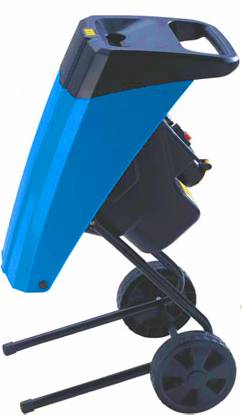
Chippers & Shredders
Source commercial and residential chippers & shredders from vetted suppliers and manufacturers across Asia. Designed for importers, wholesalers, and hardware brands looking for reliable wholesale purchasing or custom OEM production. We connect you with factory partners capable of scaling your power tool supply chain.
Sourcing chippers and shredders requires navigating a complex matrix of engine performance, rotor durability, and strict safety compliance. Whether you are importing electric models for residential garden use or heavy-duty gas-powered units for commercial landscaping, securing reliable manufacturing is critical to avoiding high return rates, safety liabilities, and costly warranty claims.
Core Specifications to Define with Suppliers
When negotiating with manufacturers, vague specifications lead to inconsistent product performance. Chippers and shredders operate under extreme stress, meaning every component from the motor to the cutting deck must be explicitly defined in your purchase order.
| Specification | Electric Models (Residential) | Gas Models (Commercial) |
|---|---|---|
| Power Output | 1500W to 2500W | 6.5 HP to 15+ HP |
| Max Branch Capacity | Up to 1.5 inches | 3 to 5+ inches |
| Reduction Ratio | 10:1 typical | 15:1 to 20:1 |
| Cutting Mechanism | Impact blades or gear crushers | Heavy flywheels with flail hammers |
Beyond basic power and capacity, you must specify the exact metallurgy of the cutting components. High-speed steel (HSS) or hardened high-carbon steel is mandatory for chipper knives to maintain an edge, while shredder flails require high impact resistance to avoid shattering when striking stones or hidden debris.
Manufacturing Quality and Common Defect Points
The primary challenge in manufacturing chippers and shredders is managing vibration and kinetic energy. Poorly balanced internal components will literally shake the machine apart over time, leading to premature engine failure or chassis fracturing.
Evaluating a factory's engineering capability often comes down to their testing and balancing procedures. Before committing to a large order, conducting comprehensive factory audits is highly recommended to verify their assembly line standards.
The Rotor Balancing Issue
The most common hidden defect in lower-cost units is an improperly balanced flywheel or rotor. If the factory skips dynamic balancing, the resulting vibration will loosen bolts, fatigue welds, and drastically shorten the lifespan of the bearings.
Need help verifying a manufacturer's engineering and testing capabilities?
Talk to our teamCritical Quality Control Checks
Implementing rigorous quality control protocols before shipment is non-negotiable for high-vibration power equipment. Ensure your inspection checklist includes:
- Dynamic balancing verification of the rotor and flywheel assemblies.
- Hardness testing (Rockwell C scale) on chipper knives and shredder flails.
- Weld penetration checks on the chassis, hopper, and axle mounts.
- Run-testing under load to monitor for excessive vibration or abnormal bearing heat.
- Verification of safety interlocks and emergency stop functionality.
Engine Sourcing and Regulatory Compliance
For gas-powered models, the engine makes up a significant portion of the unit's cost and reliability. While premium brands often specify Honda or Briggs & Stratton engines, many cost-effective OEM units utilize reliable Chinese equivalents like Loncin or Zongshen. If you are utilizing OEM/ODM services to build a private-label line, clearly specify your engine preference and ensure the factory has a direct, verified supply chain for those motors.
Compliance is another major hurdle. Gas engines must meet EPA and CARB emission standards for the US market, or Euro V standards for Europe. Electric models require CE, RoHS, and UL/ETL certifications. Failing to verify these certificates through proper compliance testing can result in shipments being seized at customs.
Typical Pricing, MOQs, and Lead Times
Understanding the baseline economics of chipper and shredder production helps in negotiating better terms and planning your inventory cycles.
Pricing fluctuates heavily based on raw steel costs and the chosen engine tier. While off-the-shelf models offer lower MOQs, they often lack the durability required for intensive markets. Securing the right balance between unit cost and component quality requires experienced negotiation.
Ready to optimize your power tool supply chain and negotiate better factory terms?
Get a free consultationBuyer FAQ
Successfully sourcing chippers and shredders at scale means looking past the spec sheet and scrutinizing the factory's engineering floor. Proper balancing, certified metallurgy, and strict compliance testing are what ultimately protect your brand's reputation in the field.
Get Sourcing Help for Chippers & Shredders
Tell us your requirements and our experts will connect you with verified manufacturers.