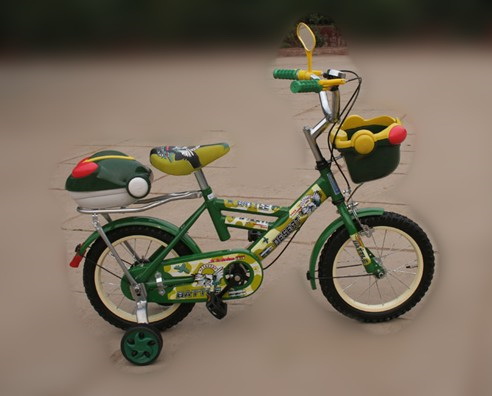
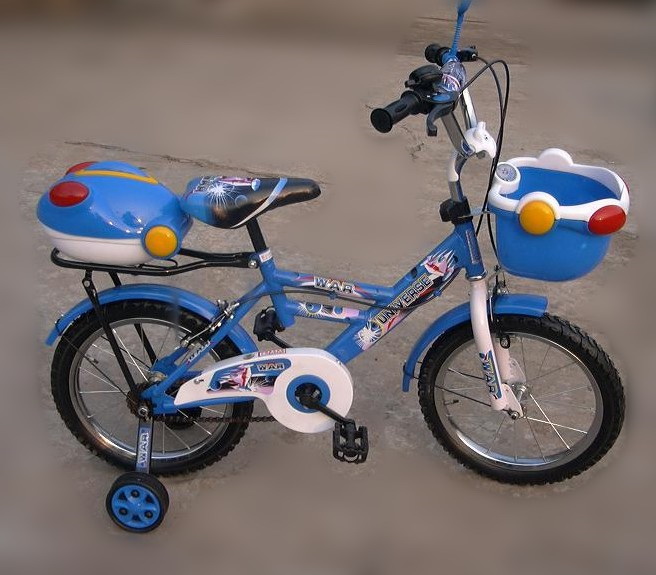
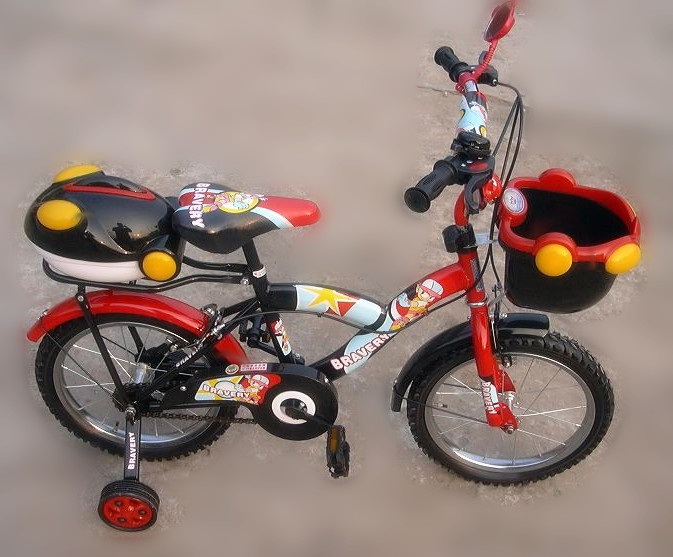
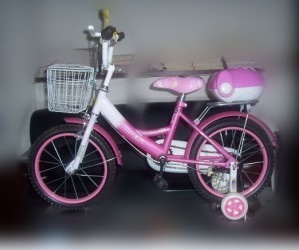
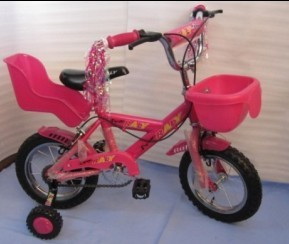
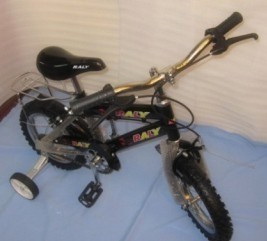
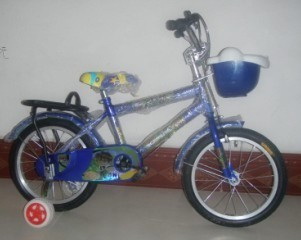
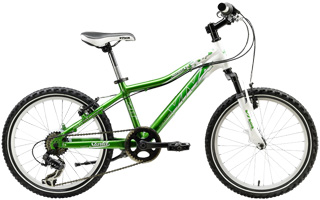
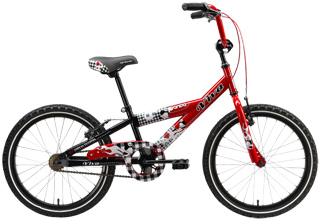
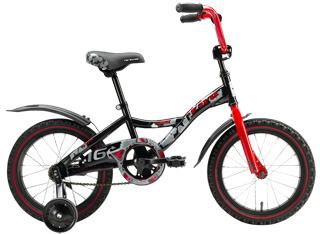
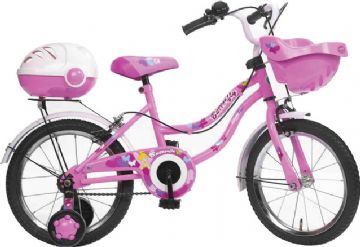
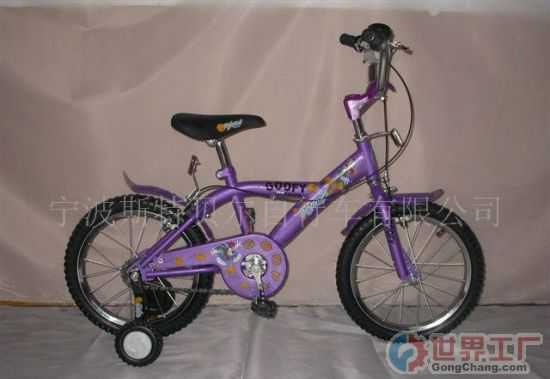
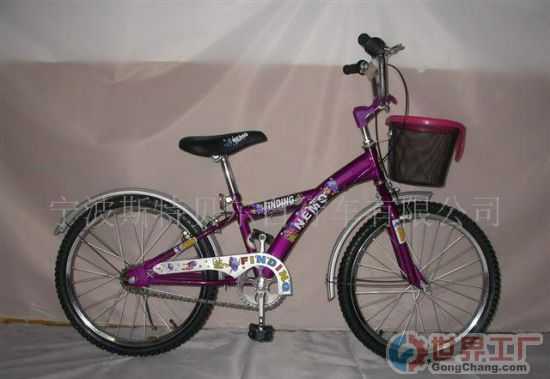
Children's Bikes
Source wholesale children's bikes from vetted suppliers and manufacturers across Asia. Designed for importers, distributors, and brands seeking reliable OEM/ODM production, our network delivers high-quality cycles engineered for safety, durability, and strict international market compliance.
Sourcing children's bikes at volume requires balancing aggressive retail price points with stringent, non-negotiable safety regulations. Unlike adult bicycles, where performance and weight often dictate the sourcing strategy, juvenile bikes demand absolute chemical compliance and structural safety margins. From frame geometry and weld integrity to non-toxic paint finishes, every component must pass rigorous market-specific testing before it hits a retail floor.
Frame Materials and Manufacturing Tolerances
The core of any children's bike is the frame and fork. The choice of material drastically impacts the unit cost, shipping weight, and target retail demographic. When specifying production, buyers typically choose between high-tensile steel and aluminum alloys.
| Specification | Hi-Ten Steel | 6061 Aluminum |
|---|---|---|
| Target Market | Entry-level, mass market | Premium, lightweight models |
| Tooling & Welding | MIG welding, lower tooling cost | TIG welding, requires higher precision |
| Weight Profile | Heavier (affects freight density) | Lighter (easier for children to handle) |
| Corrosion Resistance | Requires robust paint/coating | Naturally rust-resistant |
Beyond the raw material, the manufacturing process dictates the final quality. Weld penetration at high-stress junctions—specifically the bottom bracket, head tube, and dropouts—must be flawless. For brands developing custom geometries, leveraging professional OEM/ODM Services ensures that factory-level CAD designs translate into safe, manufacturable prototypes without structural weak points.
Need help finalizing frame geometries and material specs? Talk to our engineering team.
Discuss Your OEM ProjectQuality Control and Chemical Compliance
Children's bikes are classified as children's products in almost all major jurisdictions, subjecting them to intense regulatory scrutiny. Failing a customs inspection due to chemical contamination or mechanical hazards can result in destroyed inventory and severe brand damage.
Thorough Compliance & Testing is mandatory. You must specify standard testing requirements in your purchase orders before production begins.
Critical Compliance Checks
- Chemical Restrictions: Paint, decals, grips, and saddles must be tested for lead content and restricted phthalates (e.g., CPSIA in the US, REACH in the EU).
- Mechanical Safety: Braking force requirements (coaster brakes vs. hand brakes), chain guard enclosures, and handlebar grip retention forces.
- Sharp Edges & Protrusions: Exposed threads on axles must be capped, and stamped metal parts must be deburred.
- Standards Certification: ISO 8098 (for bicycles with a maximum saddle height over 435 mm and less than 635 mm) or EN 71 for smaller ride-on toys.
To prevent defects from being loaded into a container, implementing rigorous Quality Control & Inspection during and after production is essential.
Pre-Shipment Inspection Focus Areas
- Verify handlebar grip pull-off force (must resist specified tension).
- Check wheel truing and spoke tension tolerances.
- Ensure coaster brake engagement and stopping distance meet ISO/CPSC standards.
- Test paint adhesion using the cross-hatch cutter method.
- Confirm presence and accuracy of warning labels and tracking labels.
Sourcing Mechanics: MOQs, Lead Times, and Pricing
The supply chain for children's bicycles is heavily concentrated in specific industrial clusters in China, particularly in Hebei, Zhejiang, and Guangdong provinces. Each region tends to specialize: Hebei often focuses on mass-market steel bikes, while Guangdong and Zhejiang factories are typically better equipped for premium aluminum models and complex assemblies.
Executing proper Factory Audits is crucial to verify whether a supplier is a true manufacturer with in-house welding and painting lines, or merely an assembly workshop dependent on sub-suppliers.
Pricing is driven by the drivetrain (single-speed vs. geared), brake type (coaster, V-brake, mechanical disc), and the quality of contact points (saddle, grips, pedals). When negotiating, be aware that specifying branded components (e.g., Shimano derailleurs or Kenda tires) will increase lead times, as the factory must source these from third-party distributors.
Struggling to find a factory that meets both your price point and compliance requirements? Let our team evaluate your sourcing strategy.
Get a Sourcing ConsultationFrequently Asked Questions
Successfully importing children's bicycles requires strict oversight at every stage, from verifying the chemical composition of a handlebar grip to ensuring the factory can scale production without compromising weld integrity. Managing these moving parts on the ground is the most effective way to protect your margins and your brand's reputation.
Get Sourcing Help for Children's Bikes
Tell us your requirements and our experts will connect you with verified manufacturers.