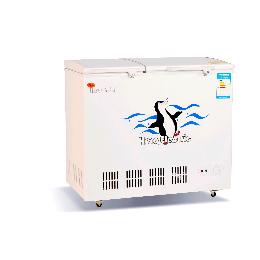
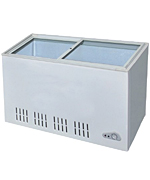
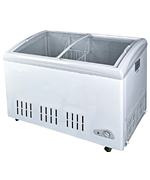
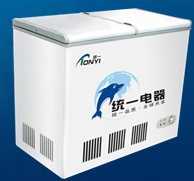
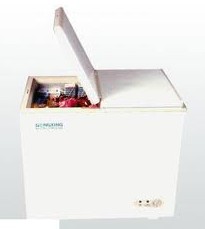
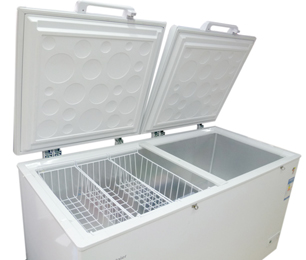
Chest Freezers
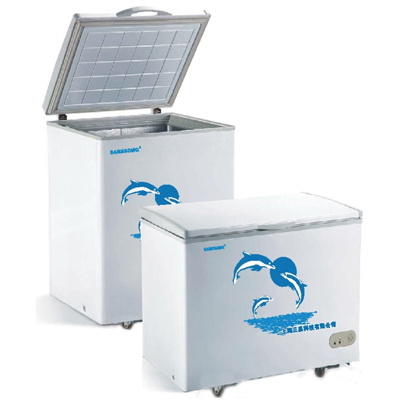
Source commercial and residential chest freezers in bulk directly from vetted manufacturers and suppliers. Designed for importers, wholesalers, distributors, and appliance brands requiring reliable OEM and private-label production. Secure competitive wholesale pricing, strict quality compliance, and optimized container loading for your market.
Sourcing chest freezers at scale requires balancing cooling performance with strict energy efficiency mandates and high freight costs. Because these appliances are inherently bulky, shipping "air" destroys margins. Successful volume procurement relies on specifying the right internal components, ensuring rigorous factory-level quality control, and optimizing the design for maximum container utilization.
Critical Specifications and Component Selection
The visual design of a chest freezer is secondary to its thermal efficiency and compressor reliability. When negotiating with manufacturers, the Bill of Materials (BOM) must be explicitly defined. Leaving component selection to the factory often results in cost-cutting on insulation density or compressor quality, which leads to high field-failure rates.
| Component / Spec | Standard Residential Build | Commercial / Premium Build |
|---|---|---|
| Compressor | Fixed-speed (often domestic brands) | Inverter-driven (Embraco, Secop) |
| Evaporator Tubing | Aluminum (lower cost, prone to internal corrosion) | Copper (superior thermal conductivity and lifespan) |
| Insulation Thickness | 55mm to 65mm | 70mm to 85mm+ (essential for tropical climates) |
| Refrigerant | R600a (Isobutane, standard efficiency) | R290 (Propane, higher cooling capacity) |
Climate Class and Insulation
Chest freezers must be manufactured to match the climate class of their destination market. A freezer built for a temperate zone (Class N, 16 to 32 degrees Celsius) will fail prematurely if deployed in a tropical zone (Class T, up to 43 degrees Celsius). Achieving a Class T rating requires thicker cyclopentane foaming and a compressor rated for higher ambient temperatures.
Need help verifying factory capabilities for specific climate class requirements? Talk to our sourcing engineers.
Discuss Your SpecsManufacturing Tolerances and Quality Control
The most critical stage in chest freezer manufacturing is the high-pressure foaming process. The cabinet and inner liner are injected with polyurethane foam to create the thermal barrier. If the factory's foaming machine is poorly calibrated or the ambient temperature on the production line is too low, voids (air pockets) will form inside the walls. These voids cause exterior condensation ("sweating") and drastic drops in energy efficiency.
To prevent this and other common defects, robust quality control and inspection protocols must be implemented directly on the factory floor.
Key Factory Floor Inspections for Chest Freezers
- Foam density verification: Check for uniform wall thickness and absence of voids.
- Halogen leak testing: Ensure the evaporator and condenser coils are 100 percent sealed before refrigerant charging.
- Electrical safety testing: Hi-Pot (high potential) and earth continuity tests to ensure safe operation.
- Drop testing: Verify packaging integrity, as heavy compressors can break their mounts during rough transit.
- Thermostat calibration: Verify the cut-in and cut-out temperatures match the dial settings.
Conducting comprehensive factory audits before placing an order is the only way to verify that a supplier has the automated foaming equipment, vacuum pumps, and testing chambers required to produce reliable units at scale.
Regulatory Compliance and Certifications
Refrigeration appliances are heavily regulated. You must ensure the factory can meet both safety and energy efficiency standards for your specific region. Do not assume a factory claiming "CE" or "UL" compliance applies those standards to every model off the line; certifications are model-specific.
- North America: Requires UL/ETL safety certifications and strict adherence to DOE (Department of Energy) efficiency standards.
- Europe: Requires CE (LVD/EMC) and RoHS compliance, along with accurate ERP energy labeling (A to G scale).
- Refrigerant Restrictions: Global phase-outs of high-GWP (Global Warming Potential) refrigerants mean R600a and R290 are now the standard. Ensure your factory has the explosion-proof production lines required to handle these flammable hydrocarbons safely.
If you are developing a custom product line, professional compliance and testing oversight ensures your units won't be held up at customs or rejected by major retail buyers.
Wholesale Pricing, MOQs, and Lead Times
Because chest freezers take up significant volume, production and pricing are almost always calculated by the 40HQ container. Minimum Order Quantities (MOQs) are typically set at one 40HQ container per model to optimize the factory's assembly line and packaging processes.
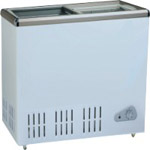
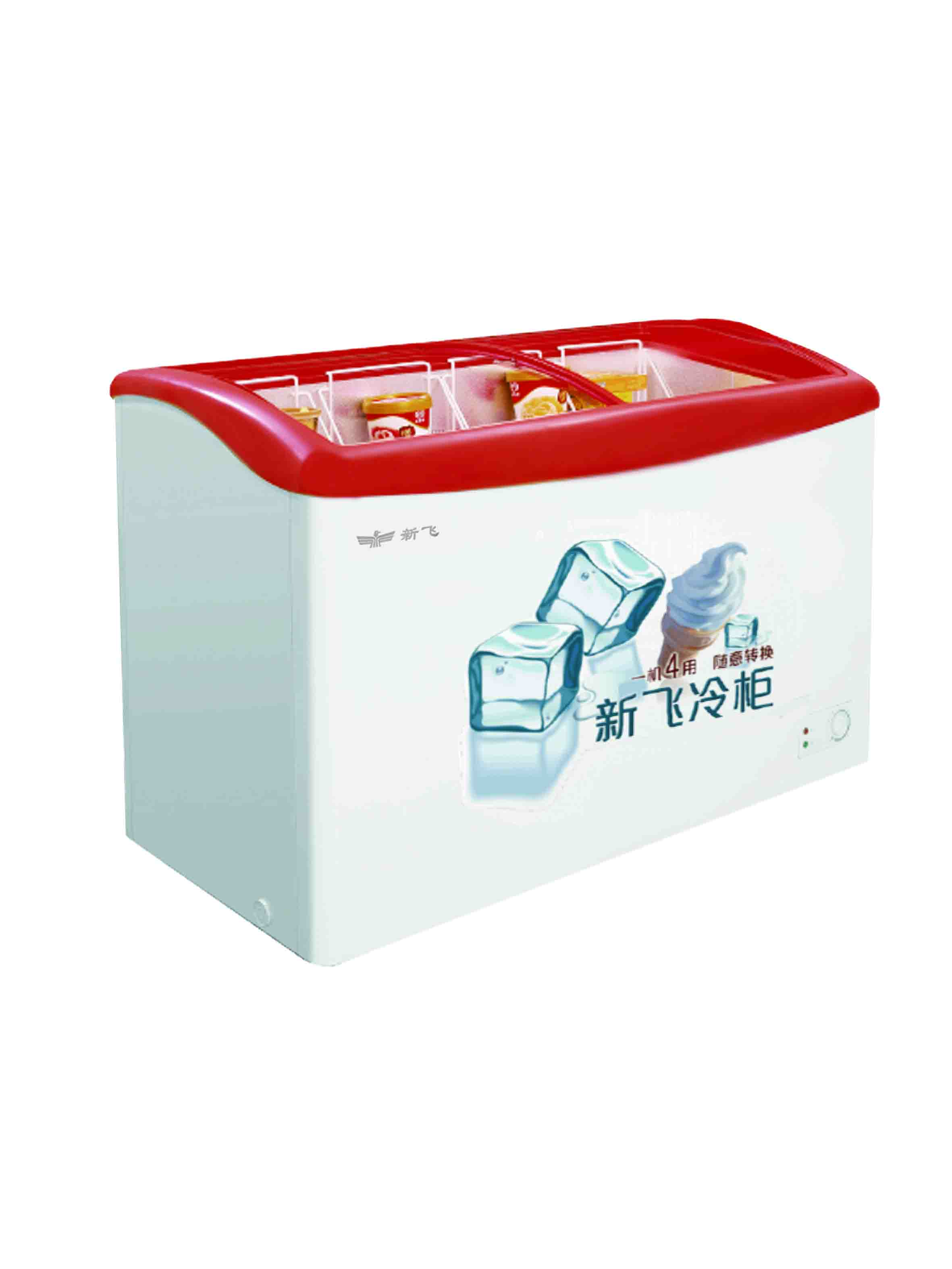
For buyers utilizing OEM/ODM services, tooling costs for custom cabinet sizes or specialized lids (e.g., curved glass for commercial display) will require higher upfront investment and longer initial lead times.
Optimize your container loading and landed costs. Connect with our supply chain team.
Get a Freight & Unit EstimateFrequently Asked Questions
When sourcing chest freezers, your profitability is ultimately dictated by the balance between component longevity and freight efficiency. A slightly cheaper unit with substandard insulation or a weak compressor will cost far more in warranty claims and lost reputation. By enforcing strict BOM requirements and verifying production quality on the line, you can build a resilient, profitable appliance supply chain.
Get Sourcing Help for Chest Freezers
Tell us your requirements and our experts will connect you with verified manufacturers.