Chess Games
Source premium and standard chess games from vetted manufacturers and wholesale suppliers. Designed for importers, distributors, and brands seeking reliable OEM and private-label production, our network delivers high-volume manufacturing with strict quality control to meet your exact specifications.
Sourcing chess sets at scale requires balancing material costs, tooling precision, and finishing quality. Whether you are importing standard plastic tournament sets or developing high-end custom wooden boards, success depends on tight control over the manufacturing process. From managing injection mold tolerances for high-impact polystyrene (HIPS) pieces to ensuring the correct moisture content in solid wood boards, professional buyers must navigate a complex supply chain to deliver consistent quality.
Material Specifications & Manufacturing Processes
The material choice dictates not only the perceived value of the chess set but also the manufacturing methodology, tooling requirements, and minimum order quantities (MOQs).
| Material Category | Manufacturing Process | Key Cost Drivers |
|---|---|---|
| Injection-Molded Plastic | High-pressure injection molding (HIPS, ABS) | Steel mold tooling, resin costs, weighting slugs |
| Solid Wood & Veneer | CNC turning, hand-carving, veneer pressing | Timber species (Boxwood, Ebony), kiln drying time |
| Metal & Resin | Die-casting, resin casting | Zinc/brass alloys, silicone molds, hand-painting |
Wooden Chess Sets: Timber Stability and Turning
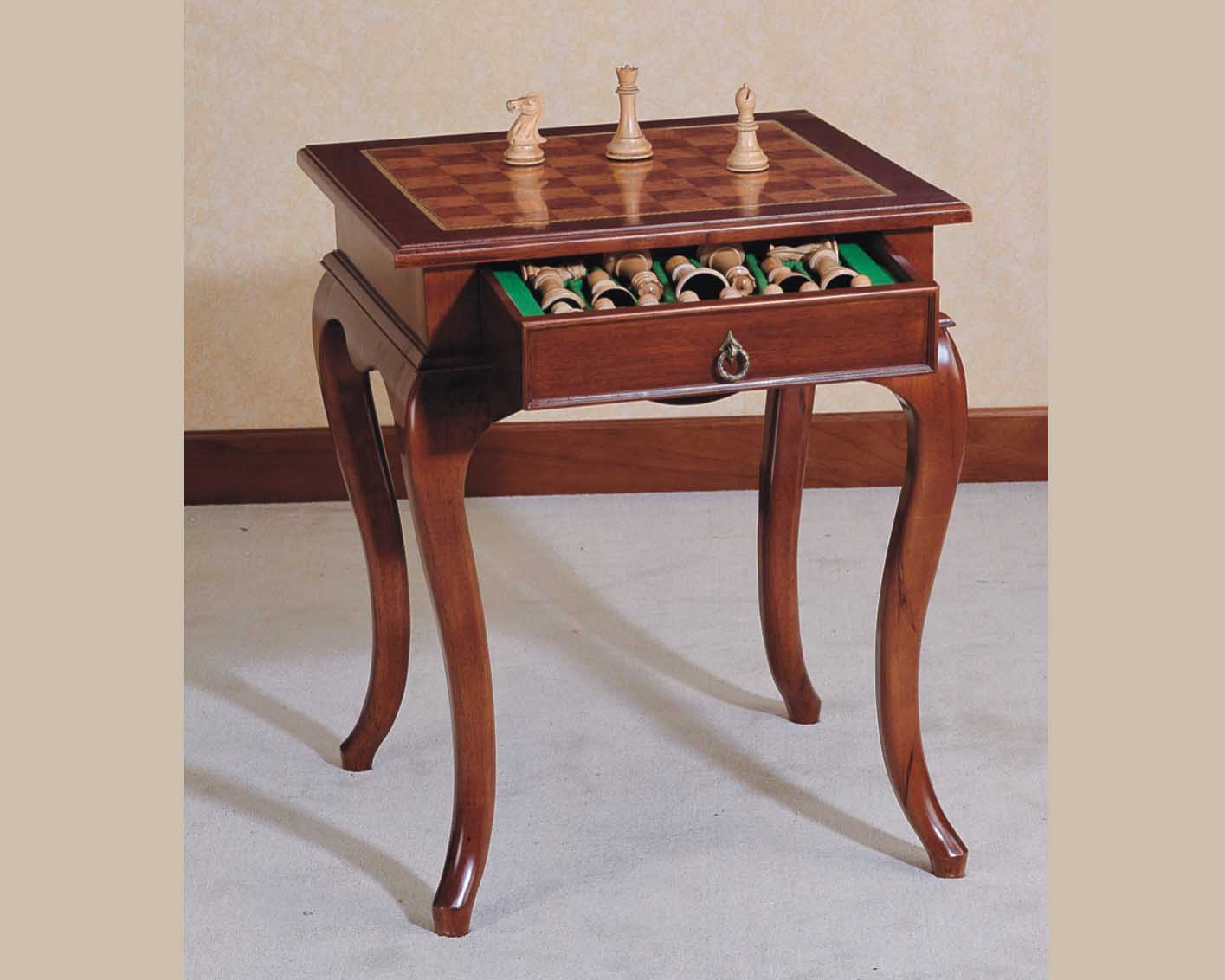
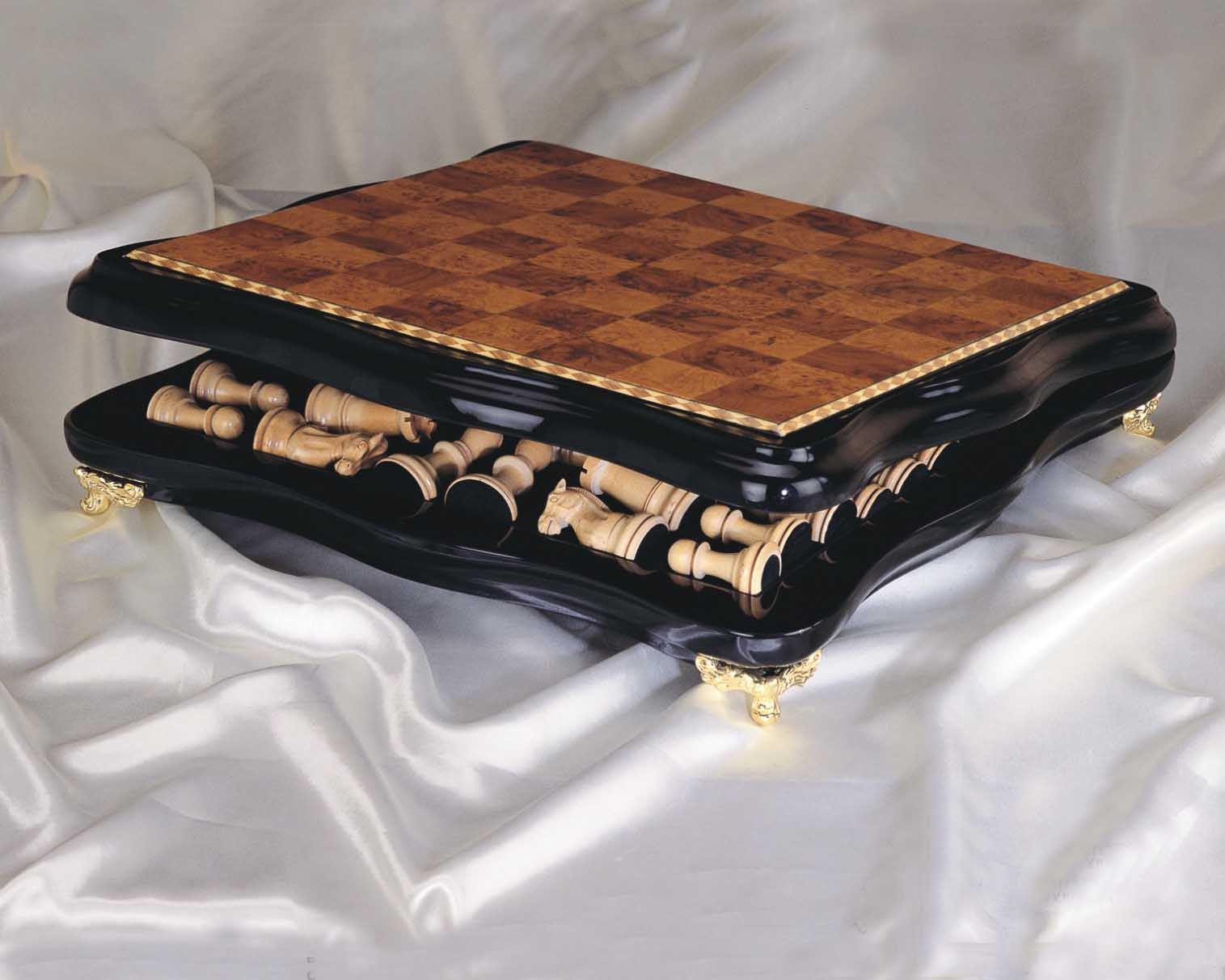
For wooden sets, dimensional stability is the primary concern. Factories typically use Boxwood for the light pieces and Sheesham (Golden Rosewood) or Ebony for the dark pieces. Boards are often constructed using an MDF core with wood veneers to prevent the warping that commonly afflicts solid wood boards across different climates.
Plastic Sets: Tooling and Weighting
Plastic sets are predominantly manufactured using High-Impact Polystyrene (HIPS) or ABS. The critical specification here is the tooling precision; parting lines (flash) on the injection-molded pieces must be minimal. Additionally, buyers must specify the weighting mechanism. "Single-weighted" or "double-weighted" pieces contain metal slugs inserted into the base before the felt is applied.
Need to verify a factory's tooling capabilities or timber sourcing practices before placing a volume order?
Talk to our teamQuality Control & Common Manufacturing Defects
Without rigorous oversight on the factory floor, high defect rates can quickly erode profit margins. Implementing comprehensive Quality Control & Inspection protocols is essential, particularly before final packaging.
Critical Inspection Points for Chess Production
- Moisture Content: Verify wood moisture is under 12 percent to prevent post-shipment warping or cracking.
- Weight Consistency: Weigh a random sampling of pieces to ensure inserted slugs are uniform and securely glued.
- Felt Adhesion: Check the base felting (baize) for centered application and excess adhesive bleed.
- Board Alignment: Inspect inlaid wood or printed squares for perfect grid alignment and seamless borders.
- Hinge & Clasp Durability: For folding boards, test hardware for rust resistance and alignment under stress.
OEM/ODM Customization and Private Labeling
Many brands utilize OEM/ODM Services to differentiate their chess sets in a crowded market. Developing custom piece designs requires new molds. For plastic pieces, a multi-cavity steel mold represents a significant upfront capital expenditure but drastically lowers the per-unit cost at high volumes. For custom wooden pieces, factories use CNC lathes for the basic profile, but the intricate details—most notably the Knight—still require skilled hand-carving, which impacts production scalability.
Lead Compliance in Weighting
Ensure that the metal slugs used to weight chess pieces are lead-free. Many standard factory-supplied slugs may contain lead, which will fail regulatory testing in North American and European markets. Specify iron or zinc weights in your purchase order.
Pricing, MOQs, and Production Lead Times
Factory requirements vary heavily based on the materials and the level of customization. Plastic sets require high volumes to justify production runs, while wooden sets can be ordered in smaller batches but take significantly longer to produce.
When negotiating with suppliers, ensure the Bill of Materials (BOM) explicitly lists the packaging type. Drop-test certified corrugated packaging with custom EPS foam or molded pulp inserts is mandatory to protect heavy wooden boards and delicate pieces during transit.
Looking to streamline your supply chain and negotiate better terms with reliable game manufacturers?
Get a free consultationCompliance and Regulatory Testing
While chess sets are generally low-risk products, they are often classified as toys depending on the marketing and target age group. Partnering with a firm that understands Compliance & Testing ensures your products do not get held up at customs.
- Phthalates and Heavy Metals: Plastic sets, varnishes on wooden sets, and faux-leather cases must pass testing for restricted chemicals (e.g., ASTM F963 in the US, EN71 in Europe).
- Formaldehyde Emissions: MDF cores used in game boards must comply with TSCA Title VI (US) or REACH (EU) emission standards.
Successfully importing chess games requires a thorough understanding of material science, factory capabilities, and rigorous quality assurance. By clearly defining your specifications and maintaining strict oversight throughout production, you can secure high-quality inventory that meets your market's demands.
Get Sourcing Help for Chess Games
Tell us your requirements and our experts will connect you with verified manufacturers.