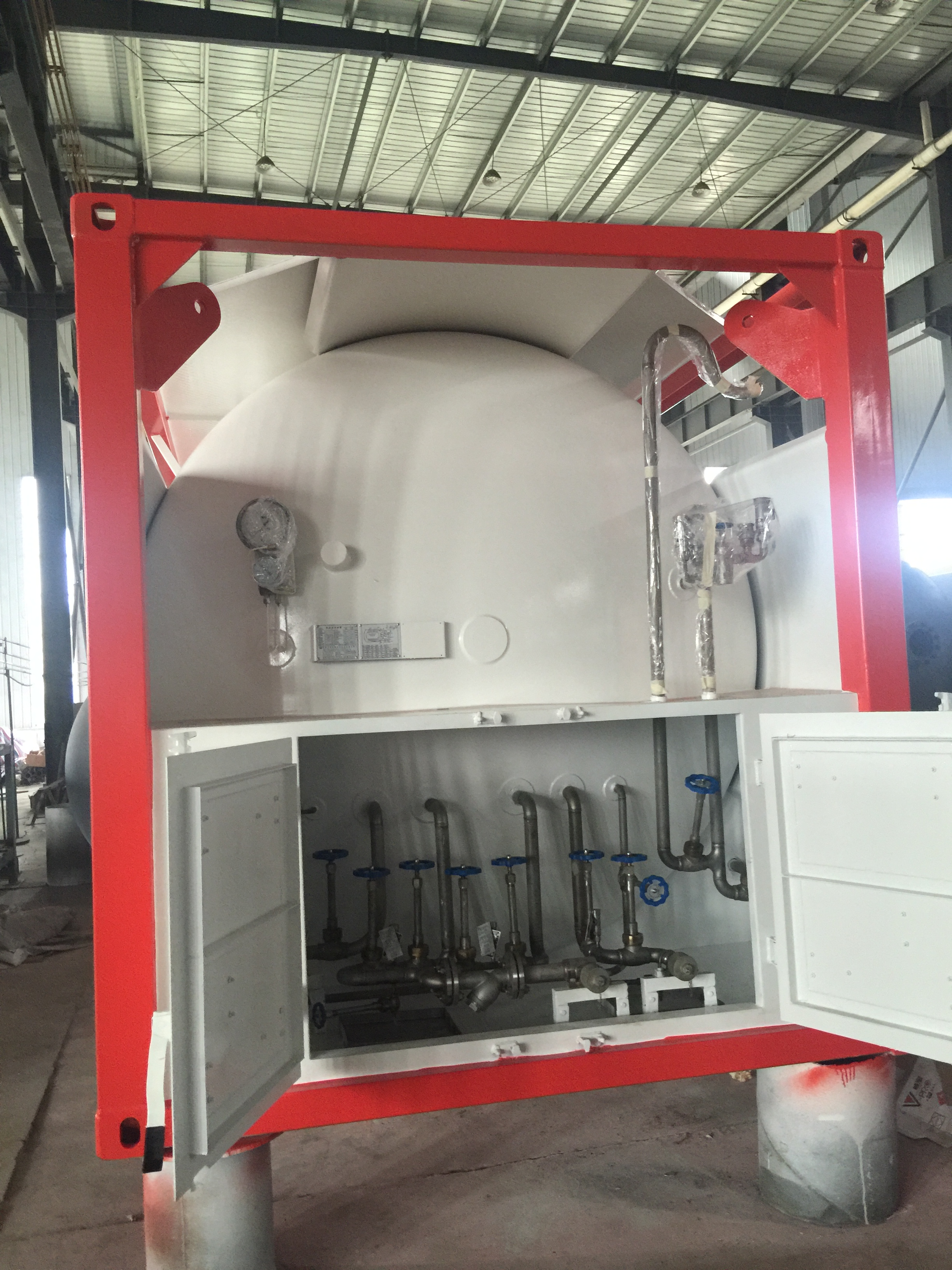
Chemical Transportation Equipment
Source industrial Chemical Transportation Equipment from vetted manufacturers and suppliers. Designed for importers, distributors, and procurement managers buying in bulk, our network offers specialized transport solutions, from ISO tanks to lined transfer systems, built to rigorous global compliance standards.
Procuring chemical transportation equipment at scale requires balancing aggressive cost management with zero-tolerance safety standards. Whether you are sourcing ISO tank containers, lined chemical trailers, or specialized transfer piping, the primary challenge is verifying that the factory possesses the actual engineering capability and valid pressure vessel certifications, rather than simply acting as an assembly workshop.
Specifying Equipment for Corrosive and Hazardous Loads
The core of any chemical transport sourcing strategy is metallurgy and lining integrity. Selecting the wrong material combination leads to catastrophic failure and severe liability. When defining your technical data package for overseas manufacturers, clarity on operating pressure (MPa), maximum operating temperature, and the specific chemical composition of the payload is non-negotiable.
Material and Lining Selection
For highly corrosive loads (such as hydrochloric or sulfuric acid), carbon steel vessels must be lined with specialized polymers. The application process—whether rotational lining or sheet lining—dictates the equipment's lifespan.
| Lining Material | Max Temperature | Chemical Resistance | Typical Application |
|---|---|---|---|
| PTFE (Polytetrafluoroethylene) | Up to 260°C | Universal (Except fluorine) | Aggressive acids, high-purity chemicals |
| PFA (Perfluoroalkoxy) | Up to 260°C | Universal | Complex geometries, valves, loading arms |
| PE (Polyethylene) | Up to 60°C | Moderate to High | General bulk chemicals, water treatment |
| Rubber (Natural/Butyl) | Up to 85°C | Good (Specific acids) | Hydrochloric acid transport |
Need help matching your chemical payloads to the right vessel specifications and vetted manufacturers? Let's discuss your technical requirements.
Talk to our teamValidating Manufacturer Capabilities on the Factory Floor
China is home to hundreds of metal fabrication facilities, but only a fraction hold the necessary licenses to manufacture dangerous goods transport equipment. Verifying a supplier requires looking past their Alibaba profile and examining their localized quality management systems.
Conducting thorough Factory Audits is critical before placing an order. You must verify their ASME Boiler and Pressure Vessel Code (BPVC) U-stamp (or international equivalents like ADR/RID for Europe), as well as their in-house non-destructive testing (NDT) capabilities.
Critical Quality Control Checkpoints
When implementing Quality Control & Inspection protocols, ensure your third-party inspectors are specifically trained in pressure vessel and lining inspection.
Pre-Shipment Inspection Requirements
- Radiographic (X-ray) or ultrasonic testing of all structural and pressure-bearing welds.
- Spark testing (holiday testing) on all polymer and rubber linings to detect pinholes.
- Hydrostatic pressure testing held for the specified duration without pressure drop.
- Verification of material test reports (MTRs) for base metals and welding consumables.
- Dimensional inspection of all flange connections and valve fittings against ISO standards.
Navigating Compliance, MOQs, and Freight
Chemical transportation equipment is heavily regulated. Depending on your market, equipment must meet DOT (US), TPED (Europe), or IMDG (International Maritime) standards. Partnering with suppliers who understand these frameworks reduces the risk of customs seizures or domestic regulatory fines. Relying on Compliance & Testing services ensures all documentation, including design approvals and initial inspection certificates, is market-ready.
Typical MOQs and Production Lead Times
Because these are high-value, capital-intensive assets, Minimum Order Quantities (MOQs) are generally low.
- ISO Tanks and Road Trailers: MOQs typically start at 1 to 5 units.
- IBCs (Intermediate Bulk Containers) and Specialized Valves: MOQs usually range from 50 to 200 units, depending on customization.
- Lead Times: Expect 45 to 90 days for production. Custom engineering or specialized lining applications will push lead times toward the 90-day mark.
Freight Considerations
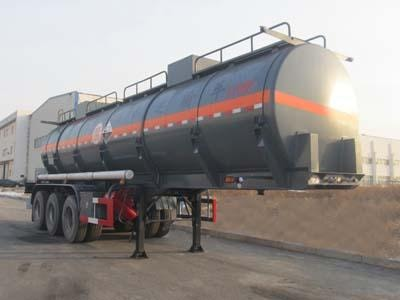
Transporting finished chemical trailers and ISO tanks requires specialized logistics. These items often exceed standard container dimensions, necessitating flat rack, open-top, or RoRo (Roll-on/Roll-off) shipping. Ensure your freight forwarder has experience handling oversized industrial equipment.
Struggling with high freight costs or unpredictable lead times for oversized equipment? Speak to our logistics and sourcing experts.
Get a free consultationFrequently Asked Questions
Sourcing chemical transportation equipment requires rigorous technical oversight from the initial metallurgy specification through to final hydrostatic testing. By partnering with experts who understand the nuances of pressure vessel manufacturing and international compliance, you can secure high-quality assets that protect your supply chain and your bottom line.
Get Sourcing Help for Chemical Transportation Equipment
Tell us your requirements and our experts will connect you with verified manufacturers.