Chamfering Machines
Source industrial-grade Chamfering Machines directly from vetted manufacturers and suppliers. Designed for importers, distributors, and procurement managers, our wholesale catalog features reliable equipment for heavy-duty metal fabrication and precision edge preparation. Explore bulk purchasing and OEM production options below.
Sourcing chamfering machines in volume requires distinguishing between true continuous-duty industrial equipment and light-commercial models dressed up in heavy-duty casings. Whether you are supplying metal fabrication shops, shipyards, or precision machining facilities, securing reliable edge-preparation equipment means looking past the spec sheet and scrutinizing the motor architecture, spindle bearings, and cutter head metallurgy.
Defining Core Technical Specifications
When negotiating with machinery manufacturers, vague specifications lead to inconsistent performance across a production run. To ensure your factory delivers industrial-grade equipment, define these parameters explicitly in your purchase order:
- Motor Power & Duty Cycle: Specify continuous operation ratings (S1 duty cycle) rather than peak power, which is often inflated on lower-tier spec sheets.
- Bevel Angle & Width Range: Clearly state the required adjustability (typically 15 to 60 degrees) and the maximum bevel width capacity in a single pass.
- Spindle Speed & Control: Variable speed is crucial for handling different materials—lower speeds for stainless steel and higher speeds for aluminum. Specify the controller type (e.g., inverter drive).
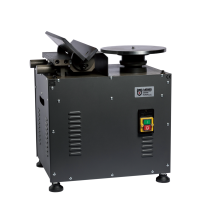
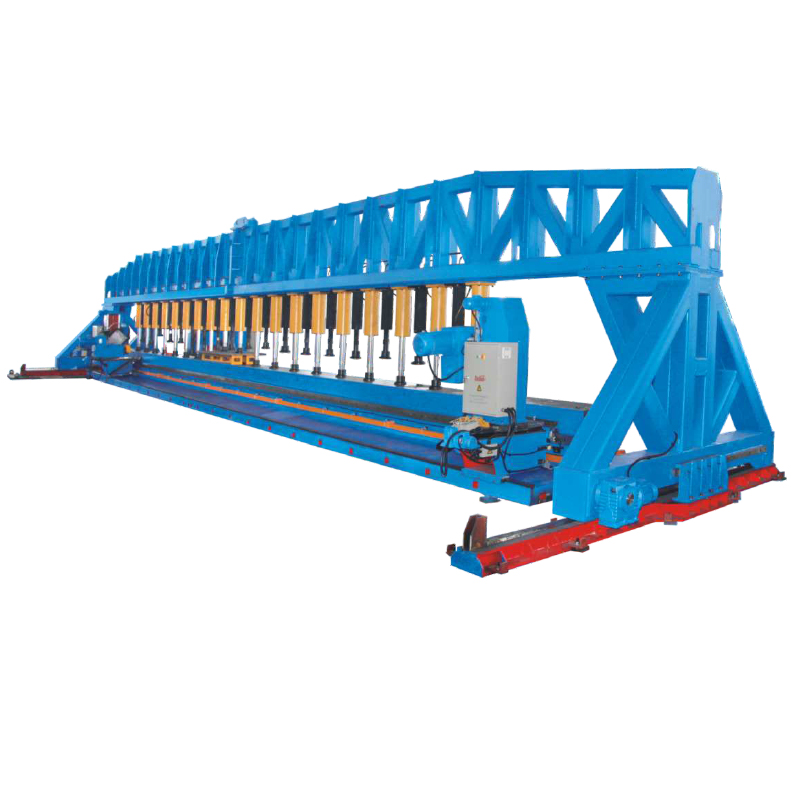
| Parameter | Portable Models | Benchtop/Stationary | Auto-feed Plate |
|---|---|---|---|
| Typical Power | 0.7kW - 1.5kW | 1.5kW - 3.0kW | 3.0kW + |
| Max Bevel Width | Up to 15mm | Up to 20mm | Up to 50mm+ |
| Primary Application | On-site pipe/plate | Small batch parts | Heavy steel fabrication |
Factory Quality and Assembly Red Flags
Where do low-cost manufacturers cut corners? The most common areas are spindle bearings, motor windings (using aluminum instead of copper), and inferior gearbox metallurgy.
Electrical Certification Risks
Unverified CE or UL marks on electrical components are common in lower-tier factories. Ensure the supplier provides verifiable test reports for the specific motor batch used in your order, not just a generic, outdated certificate.
Conducting thorough Factory Audits is critical for heavy machinery. You need to verify that the supplier actually machines their own critical components or sources them from reputable tier-one brands, rather than assembling off-the-shelf, white-label parts with poor tolerances.
Need boots on the ground to verify machinery manufacturers in Asia?
Talk to our teamPre-Shipment Inspection Focus Areas
Do not release final payment until a rigorous Factory Acceptance Test (FAT) is completed. Your inspection protocol should include:
Chamfering Machine QC Checklist
- Verify spindle runout is under 0.05mm under load.
- Test variable speed controllers for stalling or overheating during continuous use.
- Inspect the milling head for perfectly balanced indexable insert seating.
- Verify that thermal overload protection circuits trip at the specified threshold.
- Confirm all electrical wiring matches the destination market's voltage and frequency.
OEM Customization and Market Compliance
Importers often require specific voltage configurations (e.g., 110V/60Hz for North America vs. 220V/50Hz for Europe) or custom paint, guarding, and branding. Utilizing structured OEM/ODM Services allows you to adapt standard factory models to your local market's electrical standards and safety compliance requirements without engineering a machine from scratch.
Pricing, MOQs, and Logistics
Industrial machinery sourcing operates on different economies of scale compared to consumer goods. Tooling costs are high, but per-unit minimums are generally lower.
Because these machines are heavy and dense, freight consolidation is a major cost driver. Engaging experienced Shipping & Freight forwarding ensures that crating meets ISPM-15 standards, container weight distribution is optimized, and customs clearance is handled smoothly.
Streamline your machinery supply chain and protect your margins.
Get a free consultationFrequently Asked Questions
Procuring chamfering machines effectively comes down to managing supplier capabilities and enforcing strict quality tolerances before the equipment leaves the factory floor. By focusing on motor quality, bearing precision, and electrical compliance, you protect your margins and your brand's reputation. If you need expert oversight to manage your machinery sourcing, our engineering and procurement teams are ready to assist.
Get Sourcing Help for Chamfering Machines
Tell us your requirements and our experts will connect you with verified manufacturers.