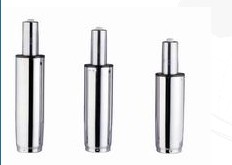
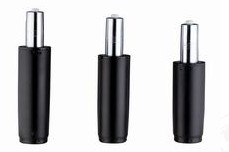
Chair Mechanisms
Source high-quality chair mechanisms in bulk directly from vetted manufacturers and wholesale suppliers. Built for furniture brands, importers, and distributors, our network provides reliable OEM production for basic tilt to advanced synchronized mechanisms. Ensure BIFMA compliance and stable supply for your assembly lines.
Sourcing chair mechanisms at scale requires strict attention to load tolerances, material thickness, and lifecycle durability. A mechanism failure doesn't just result in a warranty claim; it often compromises the entire chair's safety and ergonomics. When buying in bulk, the challenge lies in verifying that a manufacturer's production consistency matches their golden sample, particularly regarding spring tension calibration, stamping precision, and weld integrity.
Defining Technical Specifications
To avoid receiving substandard parts, buyers must specify exact engineering parameters rather than relying on generic factory descriptions. The core of any durable mechanism is its housing, typically stamped from cold-rolled steel.
For commercial-grade seating, a steel thickness of 2.5mm to 3.0mm is standard. Factories targeting lower price points will often thin this out to 2.0mm or less, which drastically increases the risk of the mechanism bending or tearing under heavy loads.
| Mechanism Type | Actuation Dynamics | Typical Application |
|---|---|---|
| Center Tilt (Basic) | 1:1 back-to-seat tilt ratio | Budget task chairs, conference seating |
| Synchronized Tilt | 2:1 back-to-seat tilt ratio, multi-position lock | Ergonomic office chairs, executive seating |
| Weight-Sensitive | Auto-adjusting tension via fiberglass or steel leaf springs | High-end ergonomic seating, hot-desking |
| Knee Tilt | Pivot point shifted forward for flat-foot reclining | Premium executive and lounge chairs |
Beyond the steel housing, buyers must specify the quality of the internal components. Torsion springs should be heat-treated to prevent tension loss over time, and all plastic components (such as lever handles or cable guides) should be molded from virgin nylon or POM, not brittle recycled plastics.
Manufacturing Tolerances and Quality Control
The manufacturing process for chair mechanisms relies heavily on heavy-duty stamping presses and automated riveting. Quality is usually lost when factories stretch the lifespan of their stamping dies. Worn dies create metal burrs, which can sever control cables or cause grinding noises during operation.
Catching these issues requires rigorous quality control & inspection before the mechanisms are sealed, greased, and powder-coated. Once the housing is riveted shut, inspecting the internal spring alignment becomes nearly impossible without destroying the unit.
Critical QC Checks for Chair Mechanisms
- Measure cold-rolled steel thickness with digital calipers at multiple stress points.
- Actuate all levers and cables to check for smooth, silent operation (no metal-on-metal grinding).
- Inspect rivet heads for flush seating and absence of micro-cracks.
- Verify uniform powder coating application to prevent internal and external rust.
- Test spring tension calibration against specified torque requirements.
Struggling with inconsistent mechanism quality? Let our engineers help you establish strict QC protocols and vet capable suppliers.
Get a free consultationCompliance and Lifecycle Testing
In the commercial furniture market, compliance with standards like BIFMA X5.1 or EN 1335 is non-negotiable. However, a factory claiming "BIFMA compliant" design is not the same as providing certified, batch-tested products.
Mechanisms must undergo rigorous cycle testing. For example, a standard tilt mechanism should survive a minimum of 300,000 tilt cycles under load without structural failure or loss of tension. Drop testing and back-pull testing are also critical to ensure the mechanism won't fail catastrophically if a user drops into the chair. If you are importing into highly regulated markets, integrating professional compliance & testing into your sourcing workflow is essential to mitigate liability.
Verify Supplier Testing Capabilities
Ensure your chosen factory has the in-house testing equipment necessary to maintain batch-to-batch BIFMA compliance.
Buying Mechanics: Pricing, MOQs, and Lead Times
The supply chain for chair mechanisms is heavily concentrated in China, specifically in Guangdong (Shunde, Foshan) and Zhejiang (Anji). Pricing is closely tied to the global steel index, the complexity of the actuation (e.g., wire-control vs. direct lever), and the origin of the internal springs.
If you are developing a proprietary chair design, factories offer extensive OEM/ODM services to customize lever placement, cable lengths, and mounting hole patterns. Custom tooling for a new stamped housing requires an upfront investment, but it allows brands to perfectly integrate the mechanism into unique seat pans.
Ready to streamline your furniture parts supply chain? We negotiate pricing, manage tooling, and oversee production on your behalf.
Talk to our teamFrequently Asked Questions
Successfully sourcing chair mechanisms requires looking past the surface finish and demanding strict adherence to material specifications and lifecycle testing. Partnering with a factory that understands commercial tolerances—and verifying their output at every stage—is the only way to protect your brand's reputation and your customers' safety.
Get Sourcing Help for Chair Mechanisms
Tell us your requirements and our experts will connect you with verified manufacturers.