Cement Production Line Engineering
Source turnkey Cement Production Line Engineering from vetted suppliers and manufacturers across Asia. Built for industrial contractors, plant developers, and engineering procurement managers, our network provides comprehensive equipment sourcing, from raw material crushing to clinker grinding, ensuring reliable, high-capacity operations.
Procuring cement production line engineering and equipment is a massive capital undertaking. Whether you are upgrading an existing clinker grinding station or commissioning a new dry-process cement plant, the integration of crushing, preheating, calcining, and grinding systems must be flawless. Sourcing these turnkey lines or major subsystems from heavy machinery manufacturers in China offers significant cost advantages, but it requires rigorous technical oversight to ensure the equipment meets your targeted tons-per-day (tpd) capacity and local environmental standards.
Core Equipment Specifications & Integration
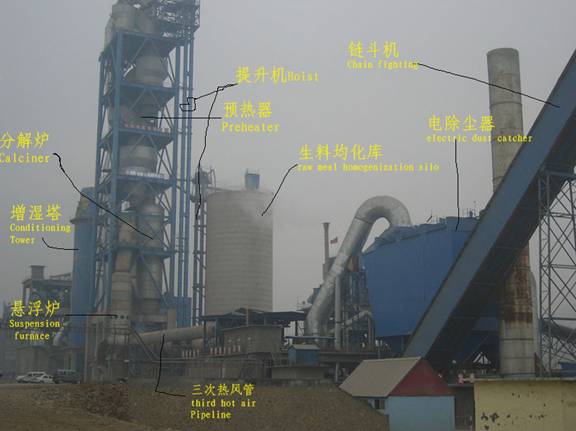
The backbone of any modern dry-process cement plant is the rotary kiln and its associated preheater/precalciner system. Buyers must specify capacity requirements meticulously, as everything from the raw mill throughput to the cooling grate area scales with the daily clinker output.
When evaluating proposals, pay close attention to the grinding technology. The choice between traditional ball mills and Vertical Roller Mills (VRMs) significantly impacts both initial CapEx and long-term OpEx, particularly regarding power consumption.
| Grinding Technology | Energy Efficiency | Drying Capacity | Maintenance Profile |
|---|---|---|---|
| Ball Mill | Moderate (higher power consumption) | Low (requires separate drying) | High wear, simple replacement |
| Vertical Roller Mill (VRM) | High (20-30% lower power usage) | Excellent (handles high moisture) | Complex, requires specialized hardfacing |
Manufacturing Quality & Factory Capability
A supplier's ability to fabricate heavy, high-stress components dictates the lifespan of your plant. You are not just buying steel; you are buying precision engineering. Assessing the factory's heavy machining capabilities—such as their horizontal boring machines, heavy-duty lathes, and large-scale rolling machines for kiln shells—is critical. This is where comprehensive factory audits are non-negotiable before signing an EPC (Engineering, Procurement, and Construction) or equipment supply contract.
Critical Fabrication Checkpoints
- Kiln Shell Welding: Submerged arc welding with 100% ultrasonic or radiographic NDT (Non-Destructive Testing).
- Girth Gear Machining: Verification of gear module precision and heat treatment processes.
- Wear Parts Metallurgy: High-chrome cast iron or specialized alloys for VRM rollers and crusher hammers.
- Electrical & Automation: Use of internationally recognized PLC brands (e.g., Siemens, ABB) to ensure local supportability.
Need to verify a heavy machinery manufacturer's fabrication capabilities? Let us evaluate their facilities and track record.
Talk to our engineering teamPricing Drivers, Lead Times, and Logistics
Cement plant equipment is strictly made-to-order. Production lead times for a complete line typically range from 8 to 14 months, depending on the scale (for example, a 5,000 tpd line takes significantly longer to fabricate and stage than a 1,500 tpd grinding station).
Pricing is heavily influenced by the degree of automation, the origin of critical components (such as imported main gearboxes versus domestic equivalents), and the strictness of emission control systems (bag filters, SNCR systems for NOx reduction).
Logistics for cement engineering projects present a unique challenge. Rotary kiln sections, massive mill shells, and heavy-duty gearboxes are Out-of-Gauge (OOG) and overweight cargo. Coordinating breakbulk shipping, flat racks, and heavy-lift vessels requires specialized shipping & freight expertise to prevent costly port delays. Furthermore, conducting rigorous quality control & inspection during Factory Acceptance Testing (FAT) before these massive components are loaded onto a vessel is the only way to avoid catastrophic delays during on-site installation.
Managing a heavy industrial procurement project? We coordinate manufacturing schedules, FAT inspections, and breakbulk logistics.
Get a logistics & sourcing consultationFrequently Asked Questions
Successfully sourcing cement production line engineering relies on matching your project's technical specifications with a manufacturer that actually possesses the heavy fabrication capacity and engineering depth required. By structuring payments around verifiable manufacturing milestones and conducting strict third-party inspections, you can secure world-class industrial equipment while maintaining total control over your project's timeline and budget.
Get Sourcing Help for Cement Production Line Engineering
Tell us your requirements and our experts will connect you with verified manufacturers.