Ceiling Lights
Source commercial and residential ceiling lights in bulk from vetted manufacturers and suppliers. Designed for importers, wholesalers, distributors, and lighting brands seeking reliable OEM and private-label production. Secure competitive pricing, reliable quality, and fully compliant fixtures for your target market.
Sourcing ceiling lights at scale requires balancing aesthetic design with rigorous thermal management and electrical safety. The difference between a high-performing fixture and a costly recall usually comes down to the quality of the internal components, the precision of the assembly, and the factory's adherence to regional compliance standards.
Core Specifications for Bulk Purchasing
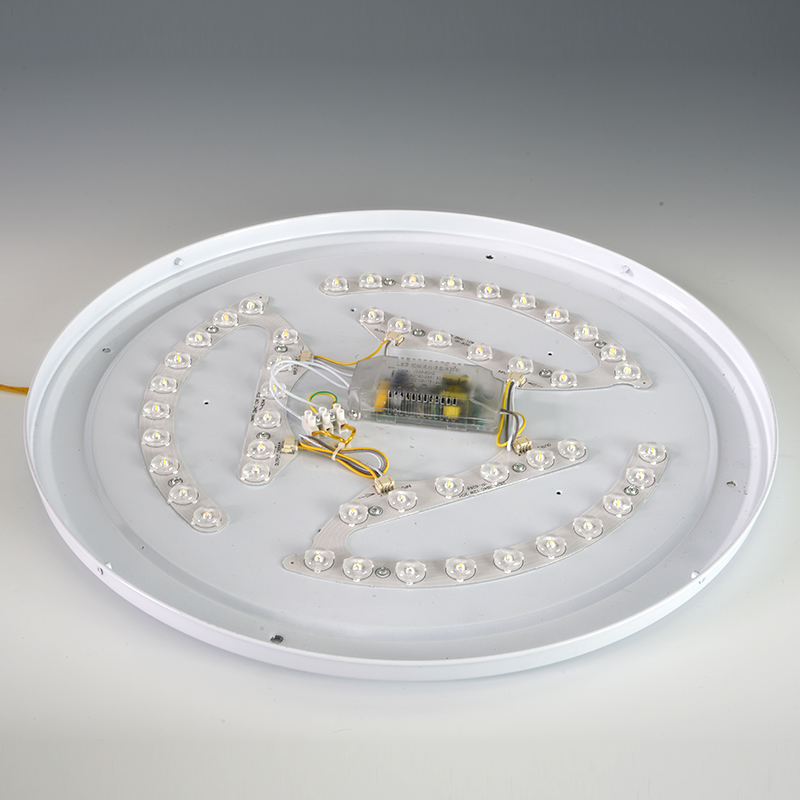
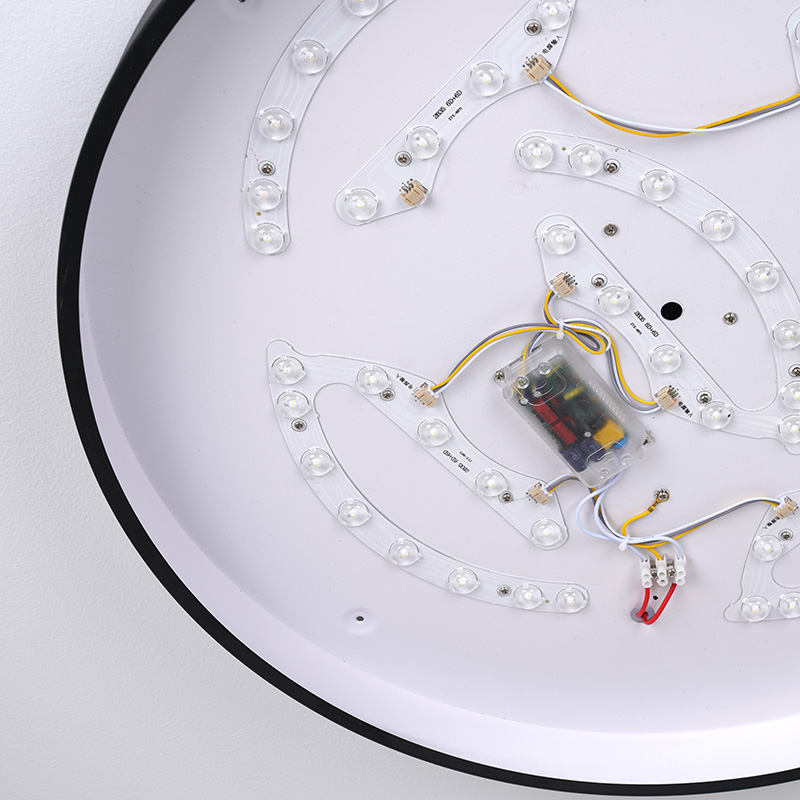
When evaluating suppliers, looking past the external housing is critical. The longevity and performance of a ceiling light depend heavily on the LED driver and the thermal management system.
The LED Driver: The Heart of the Fixture
The driver regulates the power to the LED array and is the most common point of failure in ceiling lights. Buyers must specify the exact driver requirements based on the target market's voltage standards and dimming requirements (e.g., Triac, 0-10V, or DALI).
| Feature | Non-Isolated Drivers | Isolated Drivers |
|---|---|---|
| Safety | Lower (no physical separation) | Higher (transformer separation) |
| Cost | Budget-friendly | Premium |
| Lifespan | Shorter (susceptible to surges) | Longer (better surge protection) |
| Best For | Low-cost, competitive markets | Commercial, high-end residential |
Thermal Management and Optics
LEDs degrade rapidly if heat is not dissipated efficiently. Aluminum housings or dedicated internal heat sinks are mandatory for high-wattage fixtures. Additionally, the diffuser material (typically PC or PMMA) dictates light transmission and glare reduction. PMMA offers superior light transmission (often over 92 percent) and resists yellowing over time, whereas cheaper polystyrene (PS) diffusers will yellow rapidly under UV exposure.
Ensure your lighting shipments meet strict quality and compliance standards before they leave the factory floor.
Get a free consultationManufacturing Tolerances and Quality Control
The manufacturing process for ceiling lights involves Surface-Mount Technology (SMT) for the LED boards, housing fabrication (stamping or die-casting), and final assembly. Quality is often lost during manual soldering phases or if the factory skips mandatory aging tests.
Implementing rigorous Quality Control & Inspection is essential to catch defects before shipping. A standard factory audit should verify that the manufacturer actually possesses an integrating sphere (to test lumens, CRI, and color temperature) and dedicated aging rooms.
Critical Pre-Shipment Inspection Points
- Integrating Sphere Test: Verify actual lumen output and Color Rendering Index (CRI ≥80 or ≥90).
- Aging Test: Ensure fixtures run for 12 to 24 hours at elevated temperatures to catch early driver failures.
- Hi-Pot Testing: Verify electrical insulation and grounding safety.
- Flicker Test: Ensure the driver provides a stable, flicker-free output.
- Assembly Verification: Check for loose wires, poor soldering joints, and properly seated diffusers.
Compliance and Certifications
Lighting is a heavily regulated category. Customs authorities and major retailers require strict proof of compliance. Do not accept generic "CE" or "UL" claims without verifying the test reports against the specific factory and product model. If you are customizing a fixture, you may need to engage in independent Compliance & Testing to ensure the modified product still meets regional standards.
- North America: UL or ETL certification is practically mandatory for commercial distribution. FCC compliance is required for the drivers to ensure no electromagnetic interference.
- Europe: CE (LVD and EMC directives) and RoHS compliance. ErP directives govern energy efficiency and eco-design requirements.
OEM and ODM Customization
For brands looking to differentiate, ceiling lights offer significant customization potential. While the internal LED array and driver might be standard, the external housing, finish, and smart capabilities can be tailored.
Many buyers utilize OEM/ODM Services to integrate smart lighting modules (such as Tuya Wi-Fi or Zigbee chips) directly into the driver. When customizing, ensure the factory has a capable R&D team that understands how modifying the housing impacts thermal dissipation.
Pricing, MOQs, and Lead Times
Lighting factories operate on economies of scale, particularly when running SMT lines for custom LED boards.
Pricing is highly volatile and tied directly to the cost of raw aluminum, copper (for wiring), and the specific brand of LED chips (e.g., Epistar vs. Cree or Osram) and drivers (e.g., Lifud, Philips, or generic). Always specify the component brands in your purchasing contract to prevent "fade" where a factory substitutes cheaper parts in subsequent orders.
Streamline your ceiling light sourcing and negotiate better terms directly with vetted factories.
Talk to our teamBuyer FAQ
Consistent supply chain performance in the lighting sector requires continuous vigilance. By locking down your bill of materials, verifying certifications at the source, and enforcing strict aging tests before shipment, you can build a highly profitable and reliable lighting catalog.
Get Sourcing Help for Ceiling Lights
Tell us your requirements and our experts will connect you with verified manufacturers.