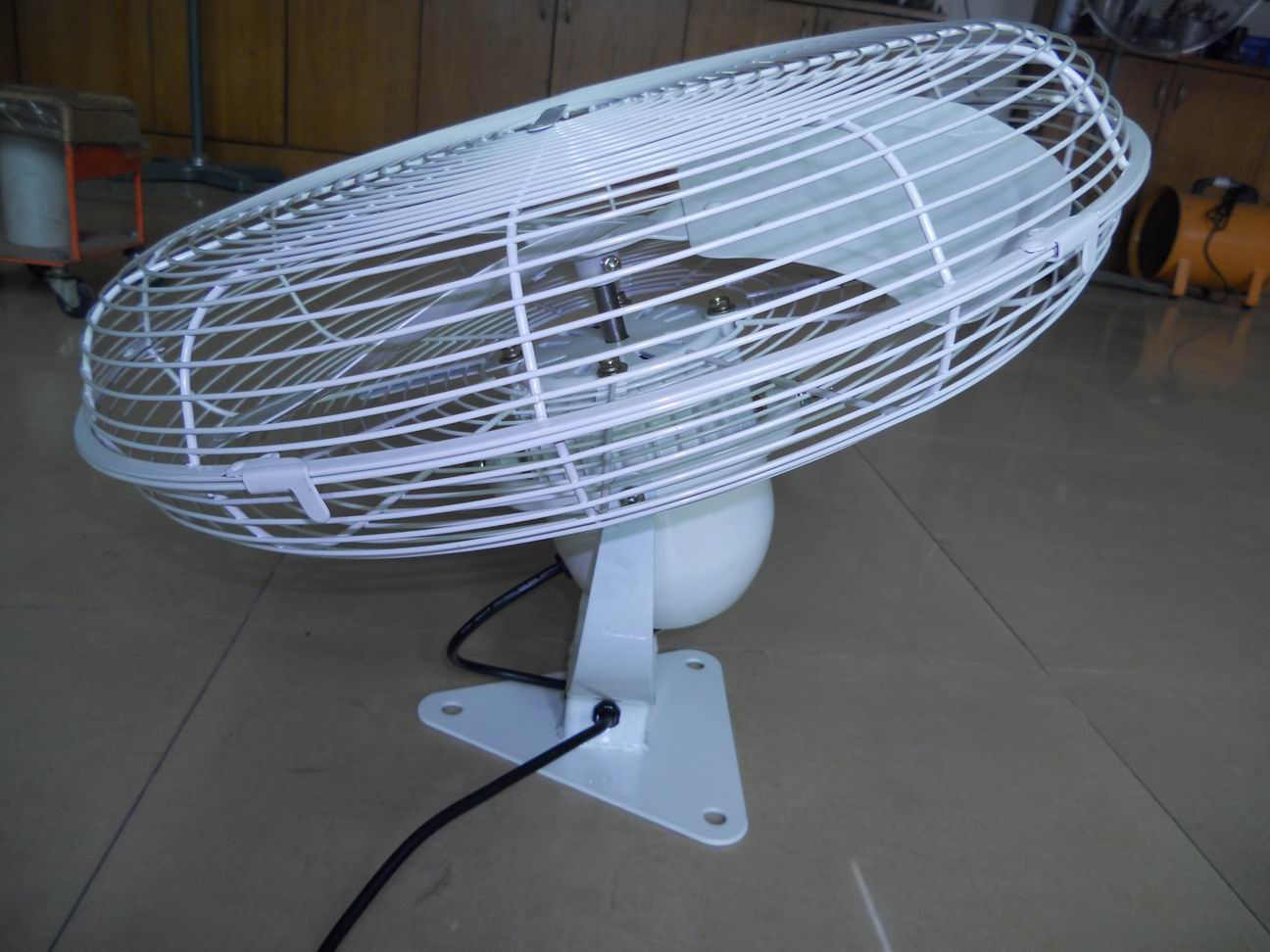
Ceiling Fans
Source premium ceiling fans from vetted manufacturers and suppliers across Asia. Built for importers, wholesalers, and appliance brands requiring reliable OEM and private-label production, our network delivers high-efficiency AC and DC motor fans engineered for global markets.
Sourcing ceiling fans at scale requires navigating a fragmented supply base where the difference between a premium product and a warranty nightmare lies hidden inside the motor housing. Whether you are importing decorative residential fans or high-volume commercial units, success depends on strict specification control—from stator winding quality to blade pitch engineering. The most critical sourcing decisions revolve around motor technology, dynamic balancing, and market-specific electrical compliance.
Core Motor Technologies: AC vs. DC
The motor is the heart of the ceiling fan and the primary driver of both cost and performance. While traditional AC (Alternating Current) motors still dominate the budget and mid-tier markets, DC (Direct Current) motors have become the standard for premium, energy-efficient, and smart home integrations.
When specifying your order, you must dictate the motor type, stator size (e.g., 153x15mm for standard AC), and copper wire purity. Factories cutting corners often substitute copper-clad aluminum (CCA) windings, which drastically reduces motor lifespan and increases heat generation.
| Specification | AC Motor Fans | DC Motor Fans |
|---|---|---|
| Power Consumption | Standard (50W - 80W) | High Efficiency (15W - 35W) |
| Speed Settings | Typically 3 to 4 speeds | Up to 6 speeds, precise control |
| Noise Profile | Noticeable hum at low speeds | Near-silent operation |
| Weight & Form Factor | Heavier, bulkier housing | Lighter, allows slim designs |
Need help verifying motor specifications and copper purity before production begins? Get expert sourcing support.
Talk to our teamManufacturing Tolerances and Quality Control
Ceiling fans are highly susceptible to balance issues. Even slight deviations in blade weight or bracket angles result in wobble, motor strain, and unacceptable noise levels. Quality is won or lost during the balancing and assembly phases on the factory floor.
Implementing strict quality control inspections is non-negotiable. Pre-shipment inspections must include dynamic balancing tests and electrical safety checks.
Critical Factory QC Checks for Ceiling Fans
- Dynamic Balancing Test: Ensuring wobble is practically eliminated at maximum RPM.
- Hi-Pot (High Potential) Testing: Verifying electrical insulation integrity to prevent shocks.
- Blade Weight Matching: Grouping blades within a strict gram tolerance per set.
- Acoustic Chamber Testing: Measuring decibel output at all speed settings.
- Drop Testing: Simulating transit impacts, as heavy motors easily damage blades in the box.
Compliance and Market Certifications
Ceiling fans are heavily regulated electrical appliances. Importing non-compliant units can lead to customs seizures or severe liability issues. Your factory must be able to provide valid, verifiable test reports for your specific target market.
For the US market, UL 507 certification is standard, alongside Department of Energy (DOE) compliance for airflow efficiency (CFM per Watt). For Europe, CE marking (LVD and EMC directives) and RoHS compliance are required. If you are integrating smart controls (Wi-Fi/Bluetooth), FCC or RED certifications are also necessary for the RF modules. Managing these requirements often requires dedicated compliance testing oversight.
Typical MOQs, Pricing, and Lead Times
Ceiling fan production is capital intensive, requiring significant tooling for motor housings and blade molds. If you are utilizing existing factory molds for private labeling, MOQs are manageable. However, developing custom designs via OEM/ODM services requires higher volume commitments to offset tooling costs.
Optimize your unit costs and negotiate better terms with vetted ceiling fan manufacturers.
Get a free consultationBuyer FAQ
Sourcing ceiling fans requires a rigorous approach to mechanical engineering and electrical safety. By partnering with manufacturers who prioritize pure copper windings, precision balancing, and transparent compliance, you can build a reliable product line that minimizes returns and maximizes margin.
Get Sourcing Help for Ceiling Fans
Tell us your requirements and our experts will connect you with verified manufacturers.