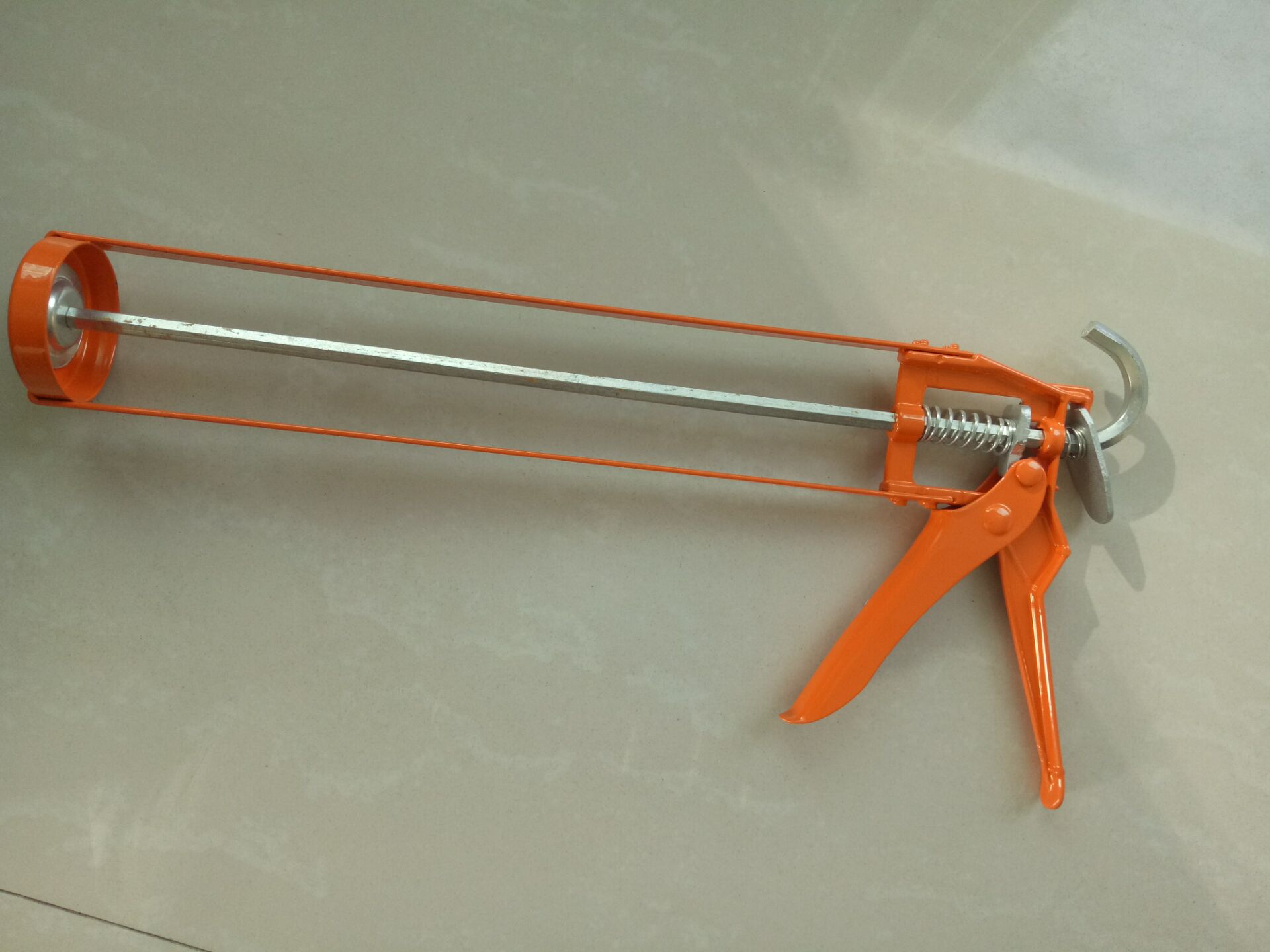
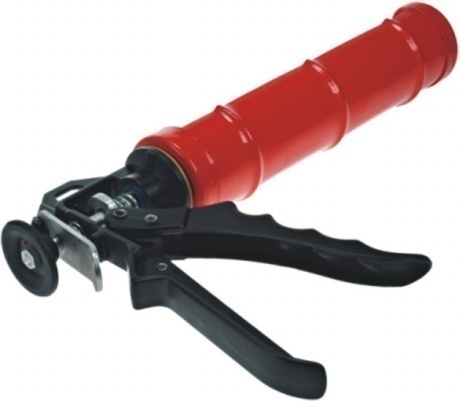
Caulking Guns
Source professional-grade caulking guns directly from vetted manufacturers and suppliers. Designed for hardware importers, tool wholesalers, and brands seeking OEM or private-label production, our bulk sourcing solutions ensure consistent quality, precise thrust ratios, and competitive pricing for your supply chain.
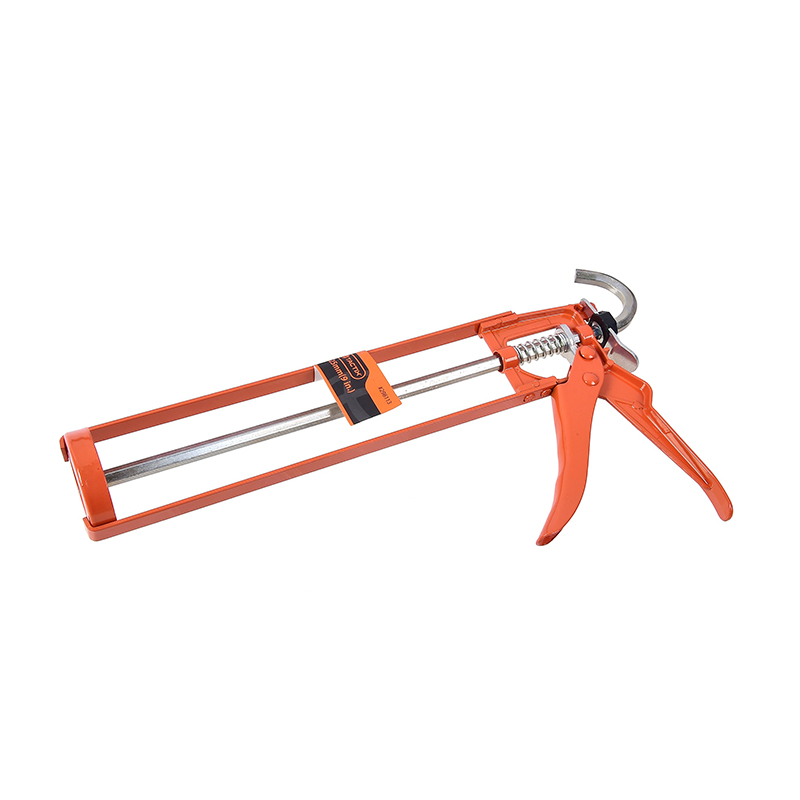
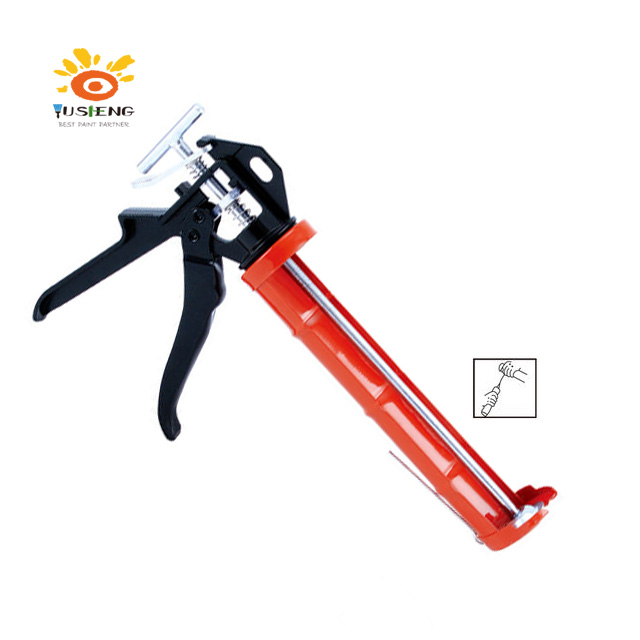
Sourcing caulking guns in volume requires navigating a highly fragmented manufacturing base, primarily concentrated in Zhejiang and Jiangsu provinces. While the basic mechanical principles of a caulking gun remain unchanged, the difference between a professional-grade tool and a high-return-rate failure lies entirely in material gauge, friction plate hardness, and precise assembly. For importers and hardware brands, specifying the correct mechanical tolerances upfront is critical to protecting your margins and brand reputation.
Core Specifications and Thrust Ratios
The primary performance metric of any caulking gun is its thrust ratio—the mechanical advantage the trigger mechanism provides. Matching the thrust ratio to the end-user's application dictates the internal components the factory must use.
| Grade | Typical Thrust Ratio | Drive Mechanism | Primary Application |
|---|---|---|---|
| Standard / DIY | 10:1 to 12:1 | Ratchet or Basic Smooth Rod | Latex, Acrylics, Light Silicones |
| Professional | 18:1 to 20:1 | Dual Friction Plate (Smooth) | Heavy Silicones, Polyurethanes |
| Industrial / Heavy Duty | 26:1 and up | Reinforced Smooth Rod | Epoxies, High-Viscosity Adhesives |
High-ratio guns require significantly more robust internal components. If you specify a 26:1 ratio but the manufacturer uses standard 1.2mm stamped steel for the carriage, the frame will flex or warp under pressure, rendering the tool useless.
Navigating supplier capabilities for high-ratio caulking guns? Let us help you identify the right manufacturing partners for your specific quality requirements.
Talk to our teamManufacturing Vulnerabilities and Quality Control
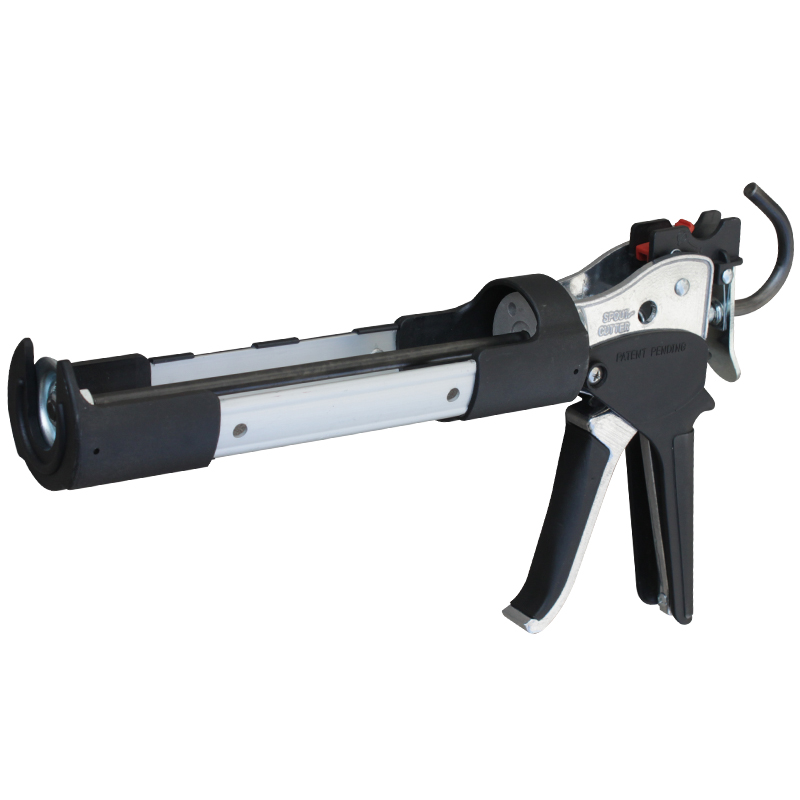
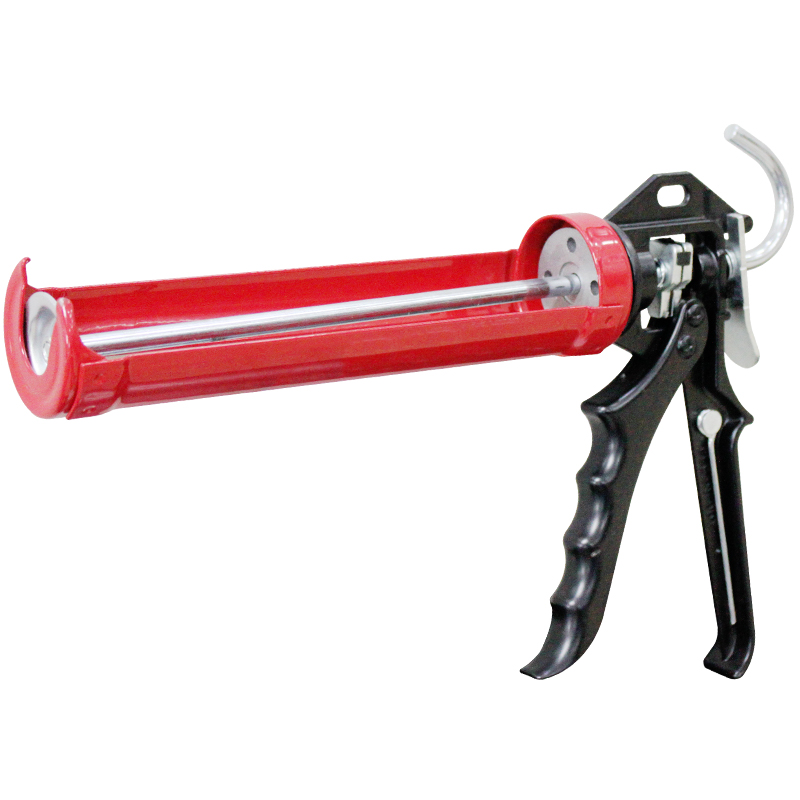
The most common point of failure in smooth-rod caulking guns is the friction plate (the gripping mechanism). When the trigger is pulled, this plate binds against the push rod to drive it forward.
If the friction plate is too soft, the push rod will slip. If it is too brittle, it will snap under high pressure. Reliable manufacturers heat-treat these plates to a precise Rockwell hardness (typically HRC 45 to 50). Verifying a factory's in-house heat treatment capabilities or their sub-tier supplier quality is a critical step during Factory Audits.
Critical QC Checkpoints for Caulking Guns
- Friction plate hardness: Must be verified via HRC testing to prevent rod slippage.
- Carriage rigidity: Steel frames should be a minimum of 1.5mm gauge for professional models.
- Powder coating adhesion: Cross-hatch testing to ensure the finish won't chip and invite rust.
- Trigger reset spring tension: Springs must not lose elasticity after 5,000+ actuations.
- Push rod alignment: The rod must remain perfectly centered to prevent uneven plunger wear.
To prevent defective batches from leaving the factory, implementing strict Quality Control & Inspection protocols before shipment is highly recommended. This includes stress-testing the guns with high-viscosity materials to ensure the carriage does not deform.
OEM Customization and Materials
For brands looking to differentiate, caulking guns offer significant opportunities for private labeling. Most suppliers offer powder coating in custom Pantone colors, laser-etched logos on the handles, and custom-molded ergonomic TPR (Thermoplastic Rubber) grips.
When developing custom lines through OEM/ODM Services, the choice of barrel and handle material drastically impacts both cost and perceived value.
Material Selection: Steel vs. Aluminum Alloys
Advantages
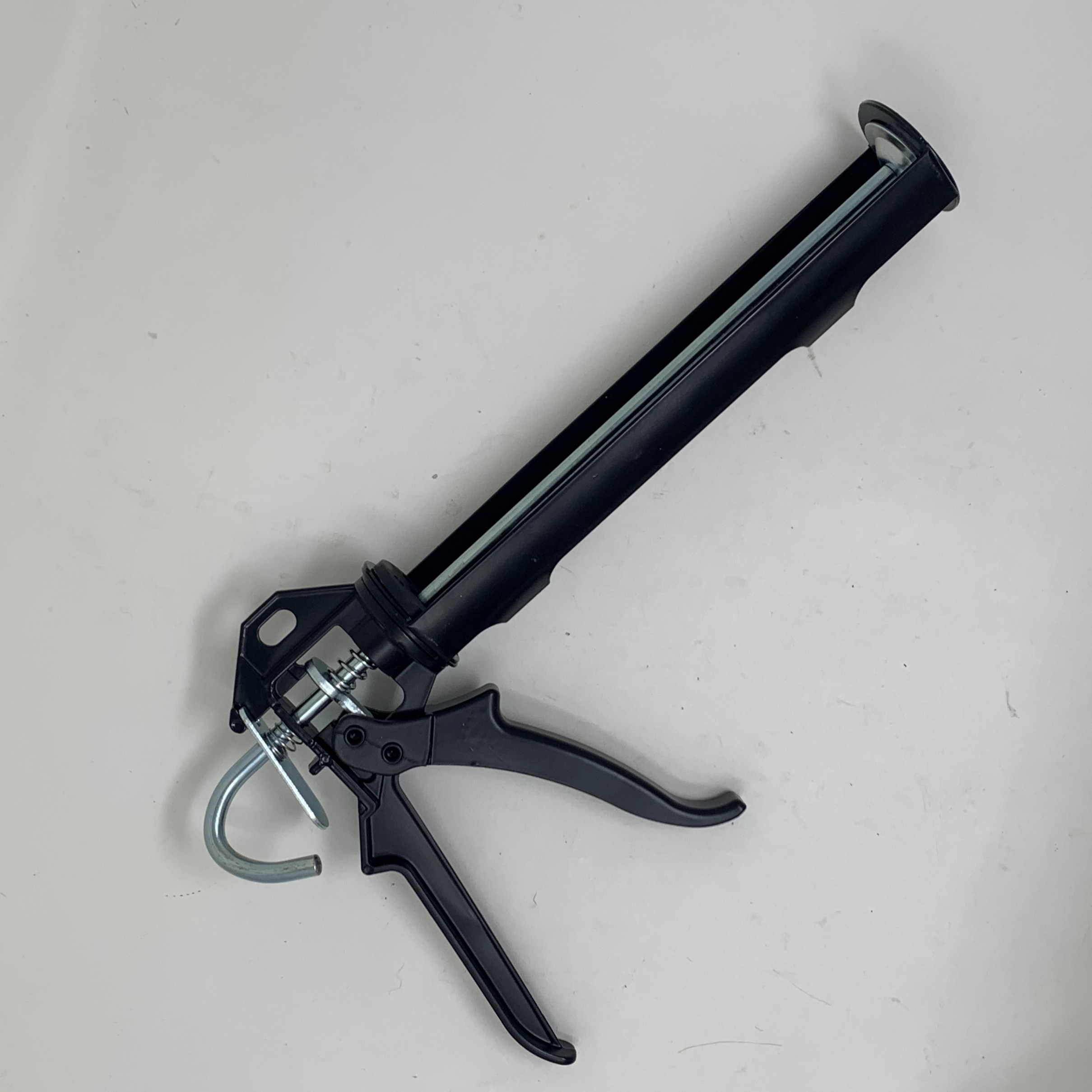
- Steel: Highly cost-effective and durable for standard skeleton and half-barrel frames.
- Steel: Excellent rigidity when stamped at 1.8mm or thicker.
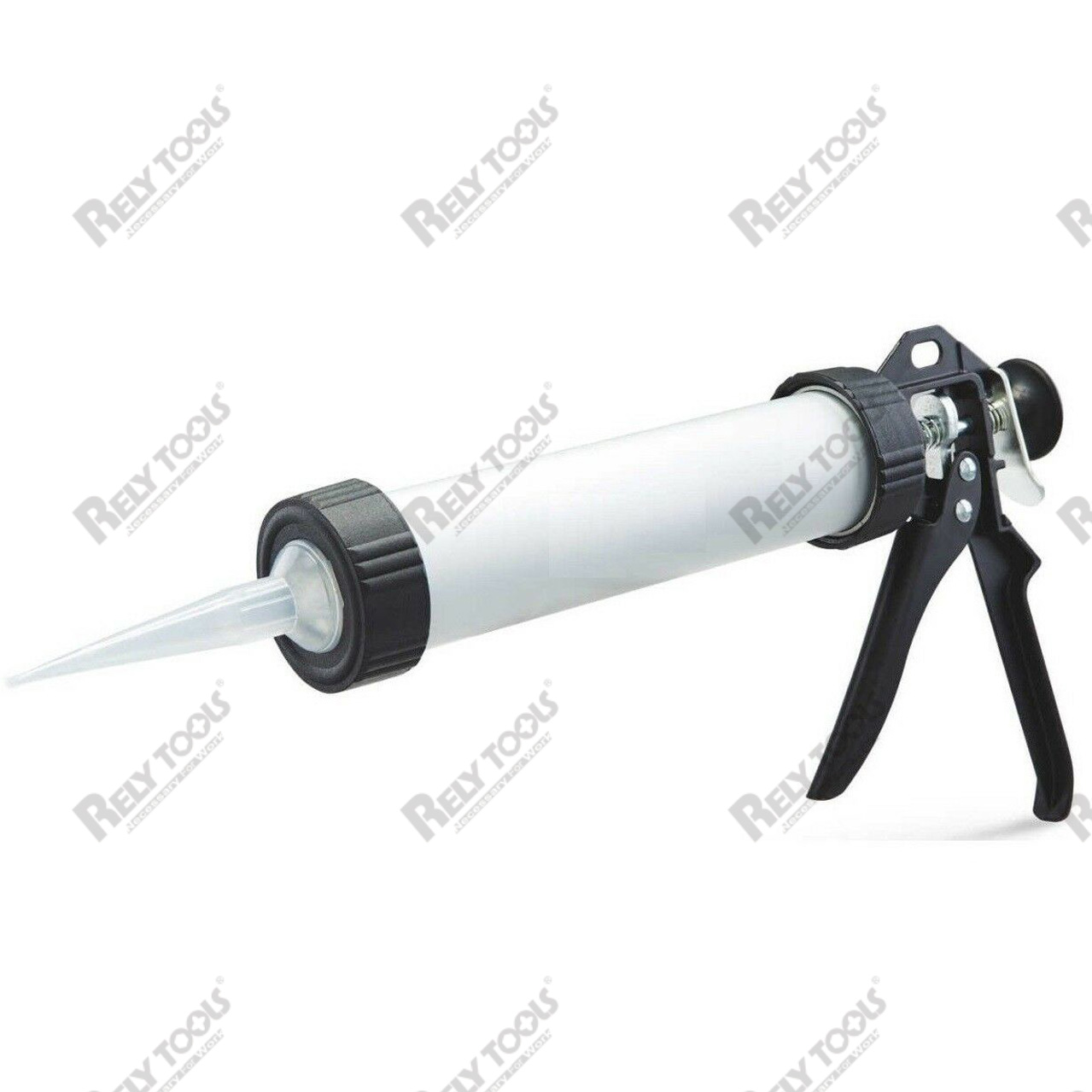
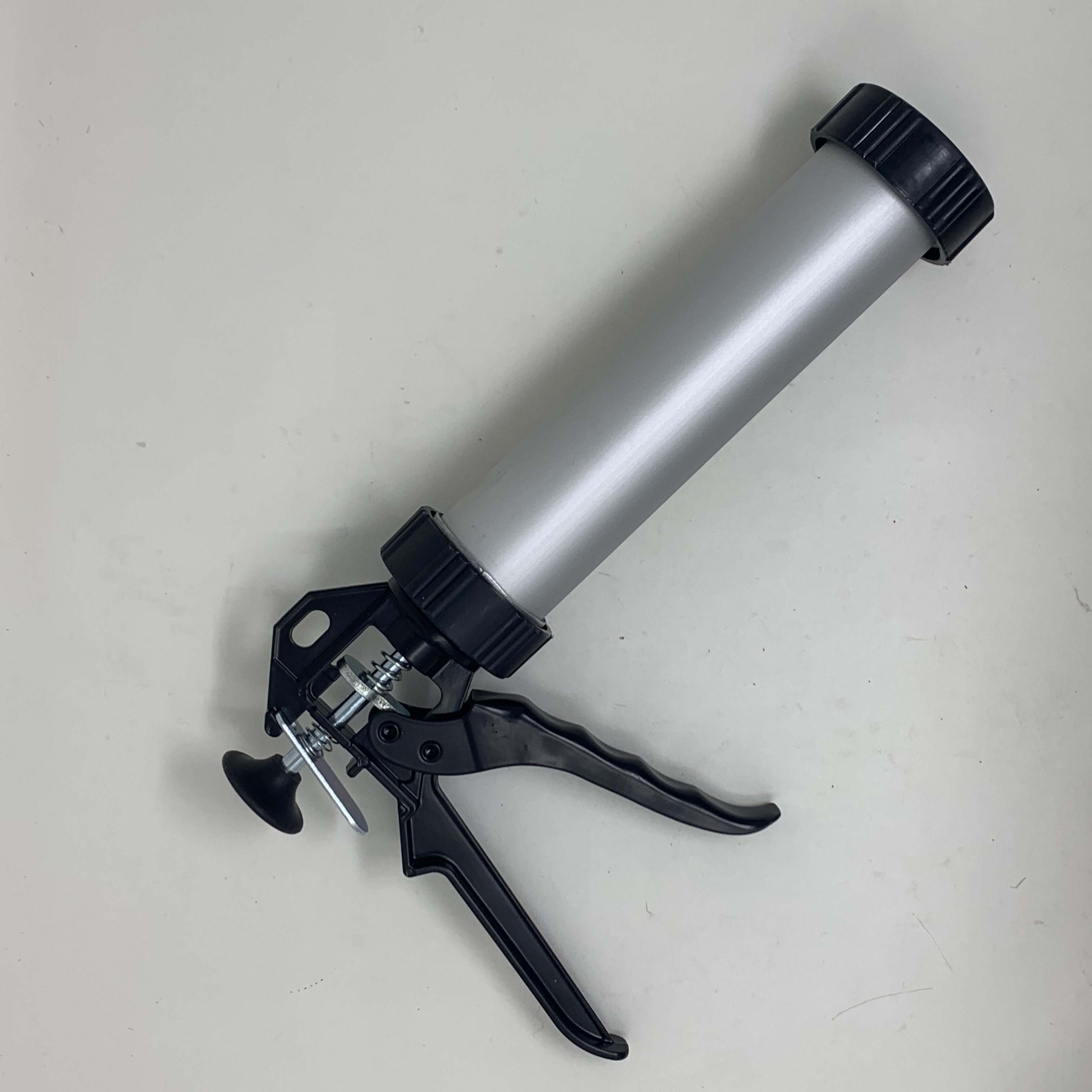
- Aluminum: Significantly lighter, reducing user fatigue for high-capacity cylindrical models.
- Aluminum: Naturally rust-resistant, ideal for harsh job site environments.
Disadvantages
- Steel: Prone to rust if the powder coating is scratched or poorly applied.
- Steel: Can be heavy in fully enclosed barrel designs.
- Aluminum: Higher raw material cost, driving up the unit price.
- Aluminum: Requires precise extrusion; poor quality control can lead to barrel denting.
Pricing Drivers, MOQs, and Lead Times
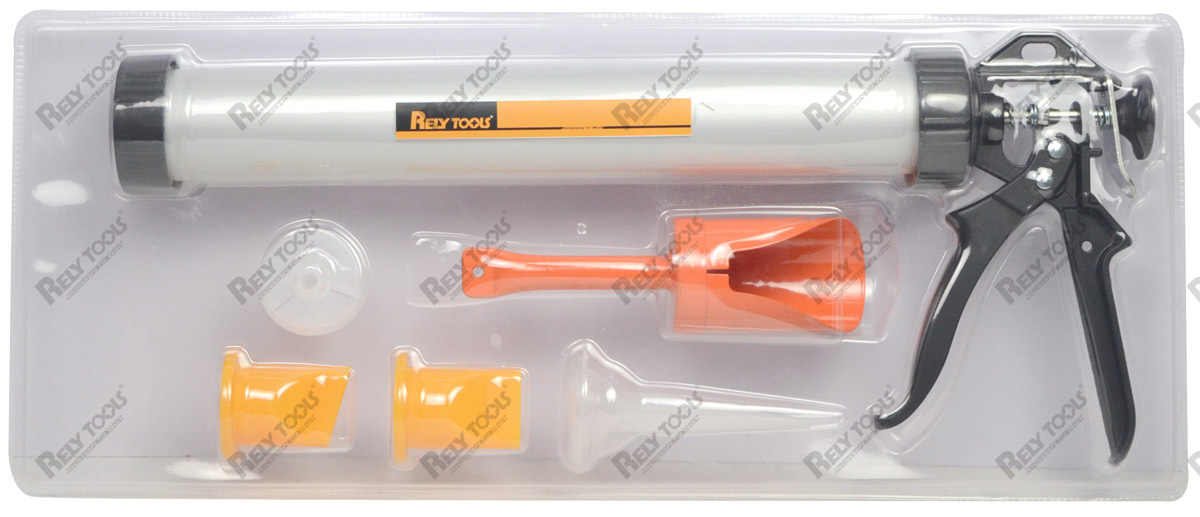
Caulking gun pricing is highly sensitive to raw material costs (steel and aluminum) and the complexity of the drive mechanism. Rotating barrels, integrated puncture tools, and spout cutters add fractional costs that compound at scale.
When negotiating, be aware that factories quoting significantly below market average are almost certainly reducing the steel gauge, skipping the friction plate heat treatment, or using recycled plastics for the handle assemblies.
Need to negotiate better terms or manage complex OEM requirements? We handle the entire procurement cycle to protect your margins.
Get a free consultationFrequently Asked Questions
Successfully sourcing caulking guns at scale means moving past superficial designs and focusing strictly on mechanical tolerances and material grades. By standardizing your technical specifications before issuing an RFQ, you force suppliers to quote on equal terms, eliminating the hidden quality compromises that plague hardware supply chains.
Get Sourcing Help for Caulking Guns
Tell us your requirements and our experts will connect you with verified manufacturers.