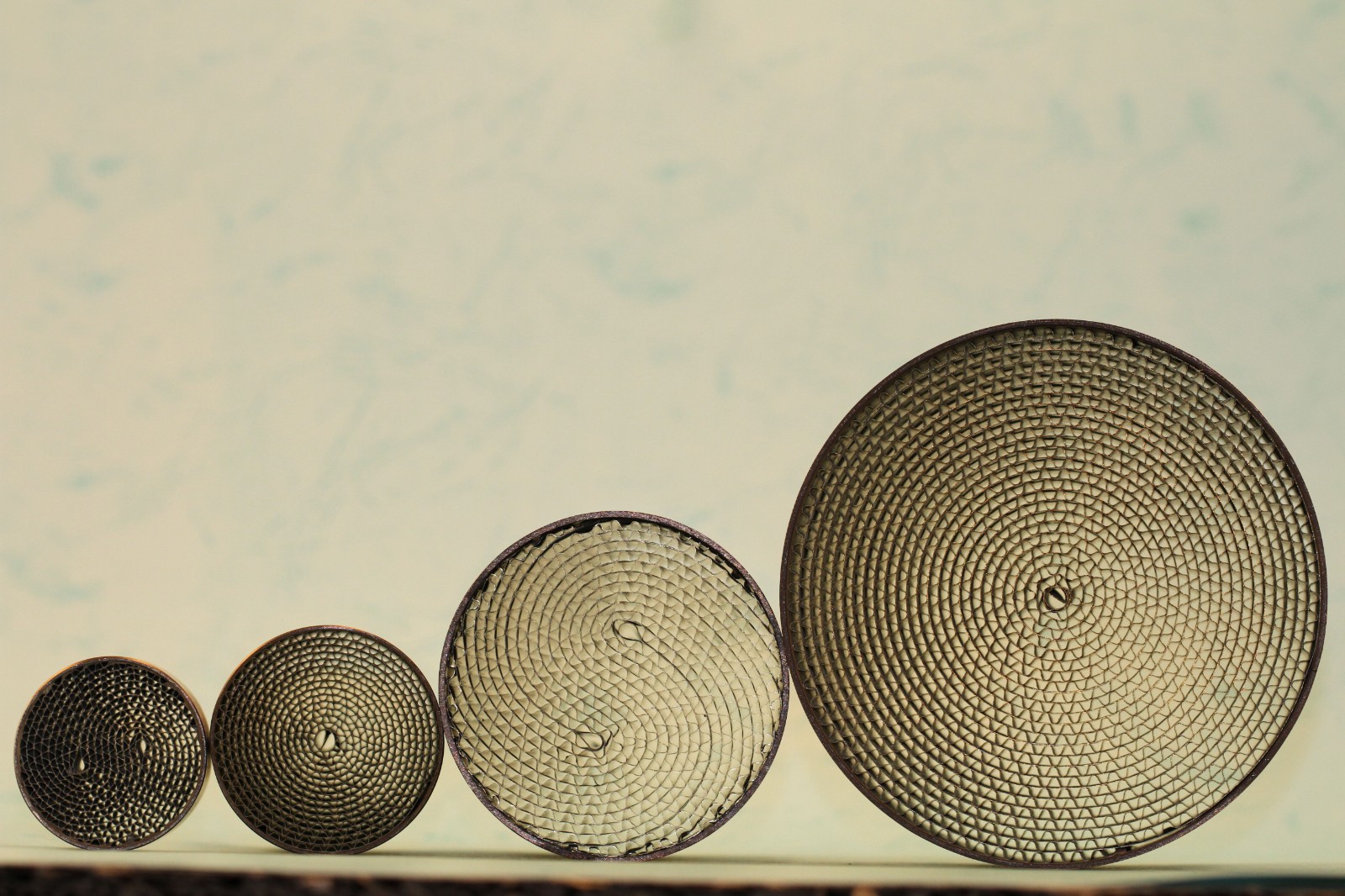
Catalytic Converters
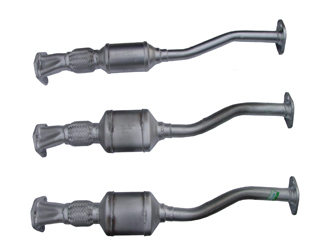
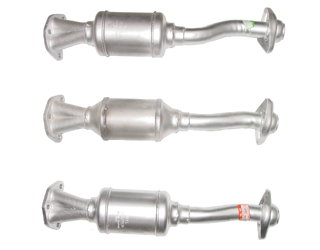
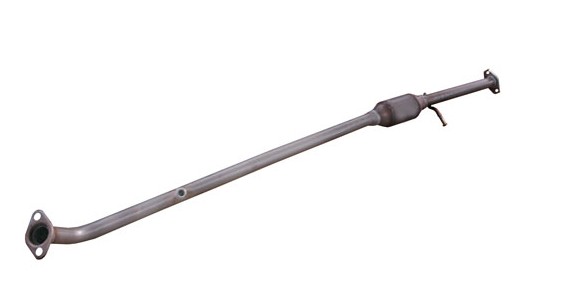
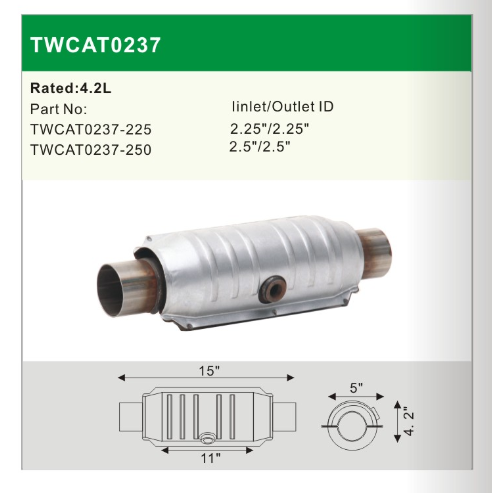
Source premium Catalytic Converters from vetted manufacturers and wholesale suppliers across Asia. Designed for automotive parts distributors, importers, and brands seeking reliable OEM production, our network delivers high-performance emission control solutions built to exact regulatory standards.
Sourcing catalytic converters at scale requires navigating a complex intersection of metallurgy, emissions regulations, and volatile commodity pricing. Because the core function relies on precise precious metal loading and durable substrate construction, factory selection is critical. A supplier's ability to consistently apply washcoats and securely can the substrate dictates whether the final product will pass emissions tests or fail prematurely in the field.
Core Specifications and Substrate Technology
When defining your requirements for a manufacturing partner, the internal architecture of the converter is the primary cost and performance driver. Buyers must specify the exact substrate material, cell density, and precious metal (PGM) loading based on the target market's emission standards.
| Specification | Ceramic Substrate (Cordierite) | Metallic Substrate |
|---|---|---|
| Typical Cell Density | 400 to 600 CPSI | 100 to 300 CPSI |
| Thermal Conductivity | Lower (retains heat for efficiency) | Higher (faster light-off times) |
| Backpressure | Standard | Lower (ideal for high-performance) |
| Durability | Susceptible to mechanical shock | Highly resistant to vibration and shock |
Precious Metal Loading (PGM)
The ratio and volume of Platinum (Pt), Palladium (Pd), and Rhodium (Rh) dictate the reduction of NOx and the oxidation of CO and unburnt hydrocarbons. PGM loading is typically measured in grams per cubic foot (g/ft³). Because PGM costs fluctuate daily on the commodities market, your factory contract must clearly define how material costs are calculated at the time of order placement.
Need to verify a supplier's PGM loading capabilities and compliance track record? Let us help you audit and secure the right manufacturing partner.
Talk to our teamManufacturing Quality and Common Defects
The difference between a premium converter and a high-failure aftermarket unit is often found in the washcoat application and the canning process.
Critical Factory-Floor Checks
- Washcoat Adhesion: Ensuring the alumina washcoat is evenly distributed without clogging cells, which causes excessive backpressure.
- Intumescent Matting: Verifying the correct density of the mounting mat used to secure the ceramic monolith inside the steel shell. Poor matting leads to substrate rattling and shattering.
- Welding Integrity: Checking automated TIG/MIG welding on the stainless steel housing (typically 409 or 304 grade) to prevent exhaust leaks.
- PGM Verification: Confirming the factory uses X-ray fluorescence (XRF) testing to verify the exact precious metal content before assembly.
Thorough Factory Audits are essential before committing to a new supplier. You must verify that the facility has the in-house testing equipment required to maintain consistency across large production runs.
Navigating Compliance and Certifications
Catalytic converters are heavily regulated. A product that meets Euro 4 standards will fail Euro 6 requirements, and a converter designed for standard EPA compliance cannot be legally sold in regions requiring CARB (California Air Resources Board) certification.
If you are developing a proprietary line of aftermarket converters, you will need rigorous Compliance & Testing to ensure the factory's prototypes meet the specific legislative requirements of your target market. Relying on a supplier's past certification documents is risky; independent batch testing is the only way to guarantee ongoing compliance.
Pricing, MOQs, and Lead Times
Because catalytic converters are material-intensive, pricing structures are heavily influenced by the daily spot price of precious metals and the grade of stainless steel used for the shell.
When negotiating terms, ensure that the PGM cost is separated from the manufacturing and assembly cost in the bill of materials (BOM). This transparency protects you from inflated margins when metal prices drop.
Struggling with volatile pricing and inconsistent supplier quality? We manage the end-to-end sourcing process for automotive components.
Get a free consultationFrequently Asked Questions
Sourcing catalytic converters demands a rigorous approach to supplier vetting, material verification, and compliance testing. By partnering with factories that maintain transparent PGM purchasing and strict in-house quality controls, you can build a reliable supply chain that balances competitive pricing with uncompromising performance.
Get Sourcing Help for Catalytic Converters
Tell us your requirements and our experts will connect you with verified manufacturers.