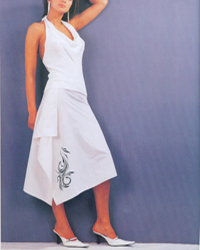
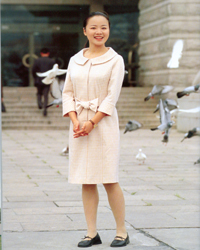
Casual Dresses
Source high-quality casual dresses from vetted manufacturers and suppliers across Asia. Designed for apparel importers, wholesalers, distributors, and fashion brands seeking reliable OEM and private-label production, our network delivers scalable manufacturing with stringent quality control and consistent sizing.
Sourcing casual dresses at scale requires balancing fabric performance, precise fit grading, and aggressive production timelines. The primary challenge in bulk apparel manufacturing lies in maintaining consistent sizing, drape, and colorfastness across multiple dye lots and extensive production runs. When transitioning from approved samples to mass production, strict adherence to technical specifications is what separates a successful collection from a costly write-off.
Fabric Selection and Manufacturing Tolerances
The foundation of any casual dress program is the fabric base. Specifications must go beyond simple composition percentages to include weight (GSM), yarn count, and finishing treatments. Without explicit tolerances in your tech pack, factories will default to locally available market fabrics, which often leads to inconsistent drape and varying shrinkage rates across different colors.
| Fabric Base | Typical GSM | Manufacturing Challenge | Shrinkage Tolerance |
|---|---|---|---|
| Cotton/Spandex Jersey | 160–220 | Spandex degradation during dyeing | Under 3 percent |
| Rayon/Viscose Woven | 110–140 | Seam slippage and high shrinkage | Up to 5 percent |
| Polyester Blends | 130–180 | Pilling and heat-setting issues | Under 2 percent |
Viscose and Rayon Shrinkage
When sourcing cellulose-based fabrics like rayon or viscose, always specify pre-shrinking treatments (like garment washing or fabric compacting) in your manufacturing agreement. Untreated viscose can shrink over 8 percent after the first wash, resulting in severe fit issues and consumer returns.
Executing OEM and Private Label Production
For brands developing custom silhouettes or exclusive prints, relying on comprehensive OEM/ODM Services is critical. A factory's ability to execute your design depends entirely on the clarity of your tech pack. Vague instructions lead to iterative sampling loops that destroy your lead times.
Critical Tech Pack Elements for Casual Dresses
- Detailed flat sketches with all construction callouts (e.g., stitch type, seam finishes).
- Comprehensive graded measurement charts across all sizes (allowing for specific tolerances).
- Bill of Materials (BOM) including fabric, lining, threads, zippers, and labels.
- Print strike-off or lab dip requirements with specific Pantone TCX/TPG references.
- Packaging instructions, including folding methods, polybag specs, and barcode placement.
Struggling with inconsistent sampling or delayed production? Let our sourcing experts manage your tech pack hand-off and factory communications.
Talk to our apparel teamQuality Control and Factory Compliance
Garment manufacturing remains highly labor-intensive, making in-line and pre-shipment inspections mandatory. Relying solely on a final random inspection often means discovering unfixable defects right before the shipping deadline. Implementing robust Quality Control & Inspection protocols early in the sewing phase catches issues before they multiply.
Common defects to monitor in casual dress production include:
- Puckered Seams: Often caused by incorrect thread tension or using the wrong needle size for lightweight fabrics.
- Shading Variations: Panel-to-panel color shading within the same garment, usually resulting from poor cutting room practices where different fabric rolls are mixed.
- Measurement Discrepancies: Out-of-tolerance dimensions, particularly in critical fit areas like the bust, armhole, and waist.
Furthermore, apparel buyers must prioritize ethical sourcing. Conducting thorough Factory Audits ensures your supplier adheres to social compliance standards (such as BSCI, Sedex, or WRAP) and possesses the actual production capacity they claim, rather than subcontracting your order to unvetted facilities.
Pricing, MOQs, and Production Lead Times
Apparel pricing is highly sensitive to order volume, fabric consumption, and construction complexity. While stock fabrics can lower minimums, custom dyeing or exclusive prints will significantly increase your MOQ requirements.
Need realistic costings and lead times for your next collection? We can match your specifications with vetted apparel manufacturers.
Get a sourcing assessmentFrequently Asked Questions
Successful apparel sourcing requires more than just finding a factory with the right machinery; it demands rigorous oversight of materials, clear technical communication, and proactive quality management on the factory floor. Managing these variables effectively protects your margins and ensures your product reaches the market on schedule.
Get Sourcing Help for Casual Dresses
Tell us your requirements and our experts will connect you with verified manufacturers.