Cassette Recorders & Players
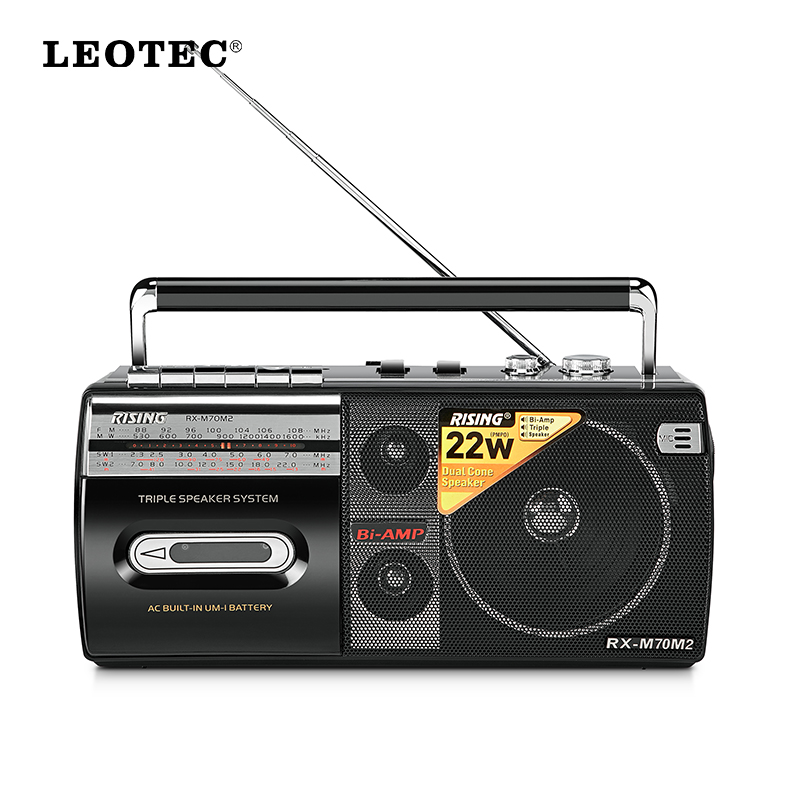
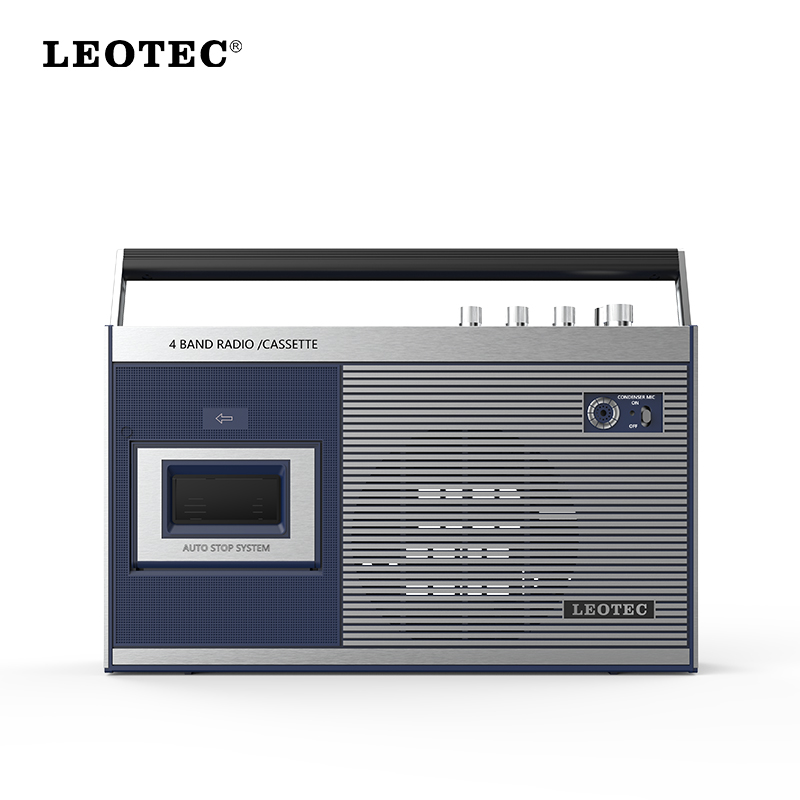
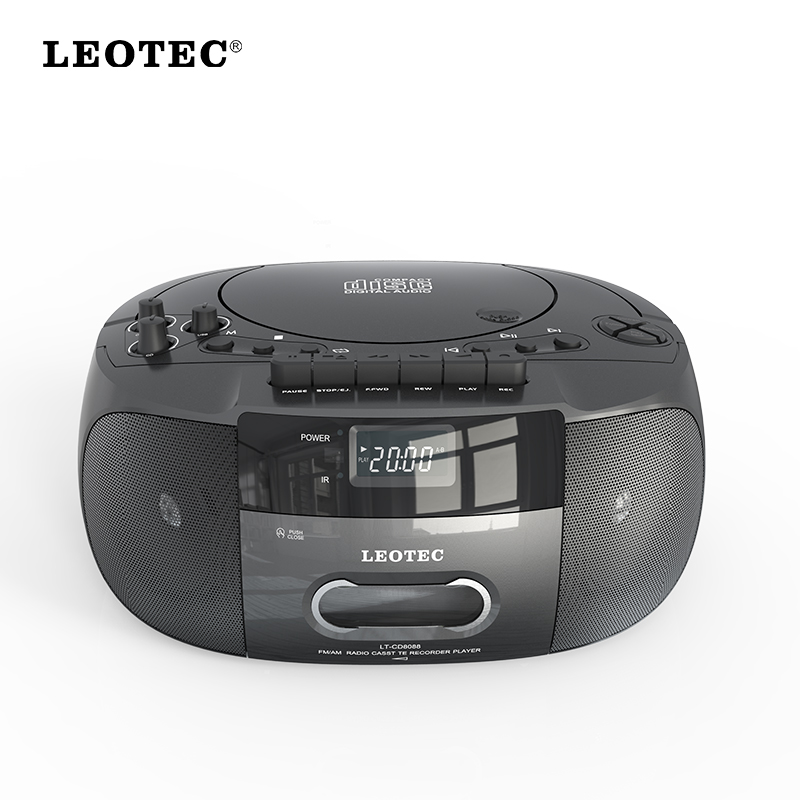
Source high-quality cassette recorders and players directly from vetted manufacturers. Designed for importers, electronics wholesalers, and audio brands seeking reliable bulk purchasing and OEM/private-label production capabilities. Find competitive pricing on modern and retro tape players.
The resurgence of analog audio has brought cassette recorders and players back into high demand, but sourcing them at scale presents unique mechanical challenges. Unlike solid-state electronics, tape players rely on complex moving parts—motors, belts, flywheels, and magnetic heads. Because legacy top-tier mechanisms (like those originally made by Sony or Panasonic) are no longer manufactured, modern production relies on generic clones. Success in this category requires strict component selection and rigorous mechanical quality oversight on the factory floor.
Navigating Modern Tape Mechanisms
The core of any cassette player is its tape transport mechanism. Today, nearly all factories in Shenzhen and Dongguan utilize variations of the "Tanashin-style" mechanism. While the basic architecture is standard, the component quality within that mechanism varies wildly between suppliers.
When specifying your product, you must drill down into the sub-components:
- Flywheels: Standard units use lightweight plastic flywheels, which are prone to speed fluctuations. Upgrading to a brass or weighted metal flywheel significantly stabilizes tape speed.
- Magnetic Heads: Ensure you specify true stereo magnetic heads if targeting the audiophile or music-listening market. Many low-cost suppliers default to mono heads wired to output audio to both channels, which ruins the listening experience.
- Motors: Look for DC motors with built-in speed governors to maintain a consistent 4.76 cm/s playback speed as battery voltage drops.
| Specification | Budget / Promotional | Premium Audio / OEM |
|---|---|---|
| Magnetic Head | Mono (bridged to 2 channels) | True Stereo (4-track) |
| Flywheel Material | Plastic | Brass / Weighted Alloy |
| Wow & Flutter | Often 0.4% or higher | Around 0.25% to 0.3% |
| Housing | Thin ABS | High-density ABS or Aluminum |
Struggling to find factories that meet your audio quality standards? We can source and vet manufacturers using premium mechanisms.
Talk to our teamCritical Quality Control Checkpoints
Because cassette players are mechanical, defect rates can spike if the factory lacks proper assembly line calibration. A standard visual inspection is insufficient; functional testing is mandatory.
When establishing your Quality Control & Inspection protocols, prioritize these mechanical checks:
Essential Mechanical Inspections
- Azimuth Alignment: Ensure the magnetic head is perfectly perpendicular to the tape path to prevent muffled high frequencies.
- Wow and Flutter Testing: Measure speed stability using a calibrated test tape. Target a variance of under 0.3% for acceptable consumer audio.
- Belt Tension: Belts must be tight enough to prevent slipping but loose enough to avoid straining the motor bearings.
- Pinch Roller Pressure: Verify the rubber pinch roller applies even pressure against the capstan to prevent tape chewing.
Running an independent Factory Audit before production begins is highly recommended to verify that the supplier actually possesses the necessary audio testing equipment (like oscilloscopes and wow/flutter meters), rather than just assembling parts blindly.
Modernizing the Cassette Player
To capture today's consumer, many brands are integrating modern digital features into retro housings. If you are developing a new product, OEM/ODM Services can help you integrate the following without compromising the analog core:
- Bluetooth Transmission: Allows the analog signal to be broadcast to modern wireless headphones. This requires careful shielding to prevent the Bluetooth IC from introducing digital noise into the sensitive magnetic head.
- USB Digitization: Built-in analog-to-digital converters (ADCs) let users rip tapes to MP3. The quality of the ADC chip will dictate the final digital audio quality.
- Lithium-Ion Batteries: Replacing standard AA battery compartments with rechargeable USB-C battery packs.
Production Realities: MOQs, Pricing, and Lead Times
Sourcing cassette players requires realistic expectations regarding volume and timelines. Because custom tooling for plastic injection molding is expensive, using existing factory molds with custom colors and branding is the most cost-effective route.
If you require entirely custom housing designs (ODM), expect MOQs to start at 5,000 units to justify the new tooling costs, adding 30 to 45 days to your initial lead time for mold creation and testing.
Need to lock in pricing and negotiate MOQs for your next audio product line? Let our sourcing experts handle the factory negotiations.
Get a free consultationFrequently Asked Questions
Sourcing cassette recorders requires balancing nostalgic appeal with modern quality expectations. Because the underlying technology relies on mechanical precision that many modern electronics factories have forgotten, partnering with suppliers who understand analog audio tolerances is the only way to protect your brand's reputation.
Get Sourcing Help for Cassette Recorders & Players
Tell us your requirements and our experts will connect you with verified manufacturers.