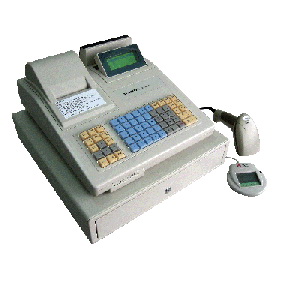
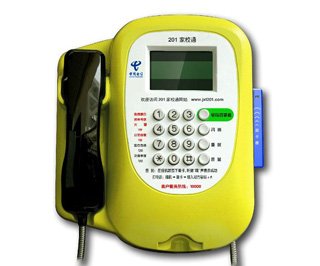
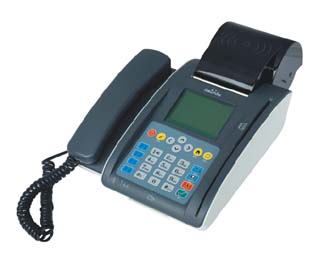
Cash Register POS Systems
Source reliable cash register POS systems from vetted manufacturers and wholesale suppliers across Asia. Built for importers, distributors, and brands seeking OEM/ODM production, our verified network delivers scalable retail technology solutions designed for high-volume deployment and seamless integration.
Sourcing commercial cash register POS systems requires navigating a complex hardware ecosystem. Today's retail environments demand more than basic transaction processing; they require durable, integrated terminals that can withstand continuous operation, spills, and heavy physical use. For volume buyers, the primary challenge lies in balancing motherboard stability, touchscreen durability, and peripheral integration while maintaining strict control over bill of materials (BOM) costs across production runs.
Core Hardware Specifications and Architecture
When evaluating POS manufacturers, the fundamental divide is between Android and Windows architectures. Your choice dictates the motherboard design, thermal management requirements, and component sourcing strategy.
| Specification | Android POS Systems | Windows POS Systems |
|---|---|---|
| Typical Processors | Rockchip RK3288, RK3568, Snapdragon | Intel Celeron J1900, Core i3/i5/i7 |
| Memory (RAM) | 2GB to 8GB DDR3/DDR4 | 4GB to 16GB DDR4 |
| Storage | 16GB to 128GB eMMC | 64GB to 512GB SSD (mSATA/NVMe) |
| Thermal Design | Fanless, low power consumption | Fanless (J1900) or Active Cooling (i5/i7) |
Display and Touch Panel Engineering
The display is the most critical failure point in a POS terminal. High-volume buyers must specify the exact type of touch panel bonding. Zero-bezel, true-flat capacitive touchscreens are standard, but the quality of the optical bonding dictates whether dust and moisture will penetrate the screen over time. Specify IP65 ratings for the front panel to ensure resilience in hospitality environments.
Integrated Peripherals
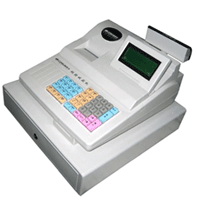
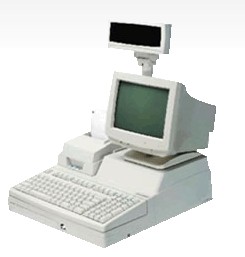
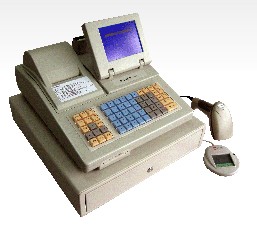
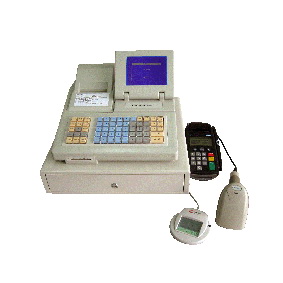
Many modern cash register POS systems feature built-in thermal printers. The critical metric here is the thermal print head (TPH) lifespan, typically rated in kilometers of printed paper. Standard commercial grades should offer a minimum lifespan of 100km to 150km. Additionally, ensure the motherboard includes standard RJ11 or RJ12 interfaces with adjustable voltage (12V/24V) to trigger external cash drawers.
Factory Floor Realities and Quality Control
Not all POS assembly lines are equal. The difference between a premium terminal and a high-failure unit often comes down to motherboard soldering quality, internal cable routing, and component mounting.
Critical Factory Inspection Points for POS Systems
- Motherboard conformal coating to protect against humidity and grease.
- Thermal stress testing protocols (burn-in testing for 24 to 48 hours at elevated temperatures).
- Cable harness routing to prevent interference with active cooling fans or housing stress.
- Touch panel calibration and ghost-touch testing under varying voltage conditions.
- Thermal printer auto-cutter lifecycle testing (minimum 1.5 million cuts).
To mitigate defect rates before shipping, implementing rigorous Quality Control & Inspection is essential. Catching a batch of poorly calibrated touchscreens or faulty RAM modules at the factory saves immense RMA costs downstream. Furthermore, verifying that a supplier actually manufactures their own motherboards rather than assembling off-the-shelf components requires comprehensive Factory Audits.
Need to verify a POS manufacturer's technical capabilities? Our engineering and sourcing teams can audit facilities and standardize your hardware specifications.
Discuss your sourcing requirementsCustomization, MOQs, and Pricing Mechanics
For brands looking to deploy proprietary hardware, engaging in OEM/ODM Services allows for custom housing designs, tailored I/O port configurations, and firmware modifications (like custom boot logos and locked OS environments).
Cost Drivers
Pricing for POS systems fluctuates based on three primary components: LCD panel market rates, memory/storage commodity pricing, and processor availability. When negotiating bulk orders, lock in the exact brand and model of the RAM and SSD, as factories may substitute these with lower-tier brands to increase their margin if left unspecified.
Additionally, factor in the cost of Compliance & Testing. Certifications like CE, FCC, and RoHS are non-negotiable for Western markets, and power adapters must carry UL or ETL listings for North American deployment.
Ready to negotiate better pricing and enforce stricter quality standards on your POS hardware orders? Let us manage the factory relationship for you.
Talk to our teamFrequently Asked Questions
Successful POS hardware sourcing is about lifecycle management, not just the initial unit cost. Securing a reliable supply chain means locking in BOM stability, enforcing strict thermal and durability testing, and ensuring long-term parts availability for field maintenance. When you are ready to scale your hardware procurement, professional oversight on the factory floor is your strongest asset.
Get Sourcing Help for Cash Register POS Systems
Tell us your requirements and our experts will connect you with verified manufacturers.