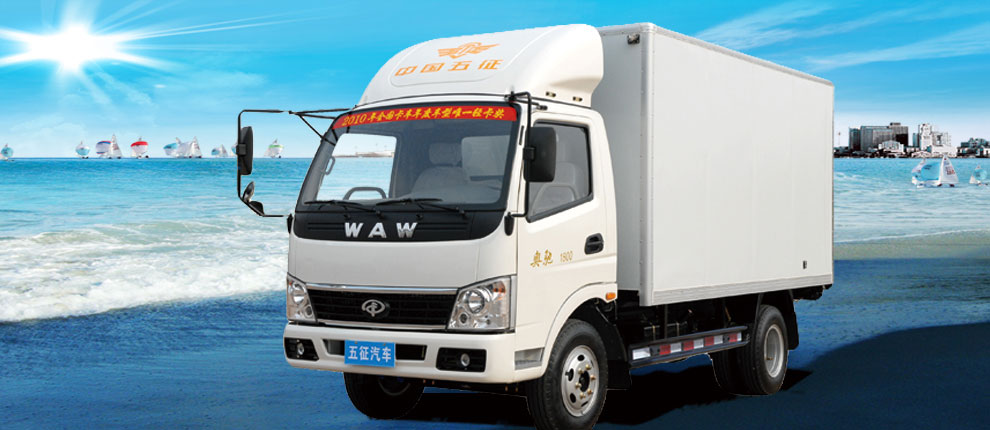
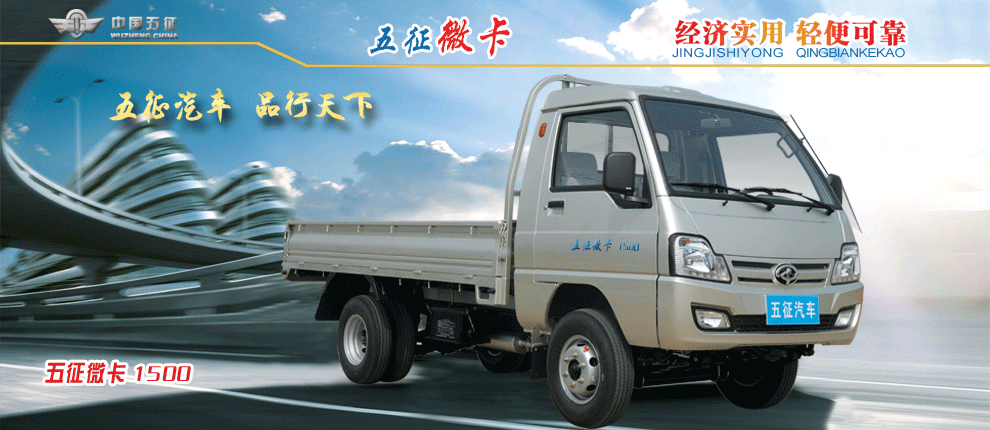
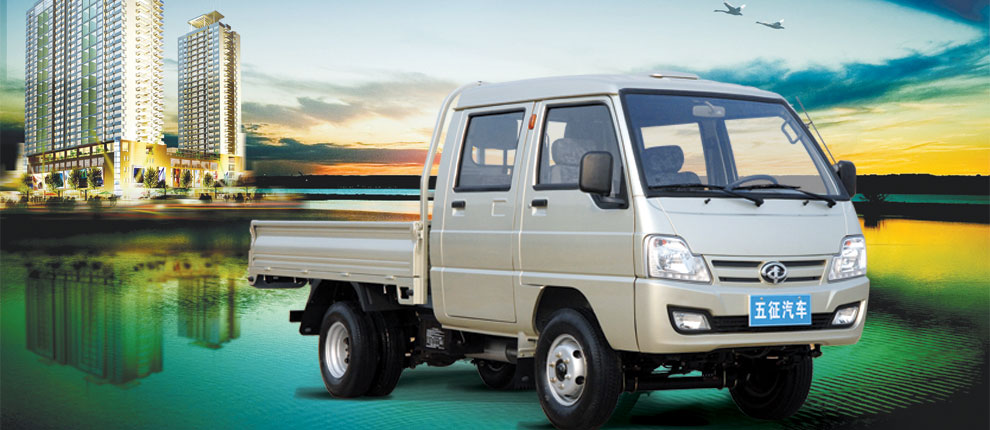
Cargo Trucks
Source commercial cargo trucks from vetted manufacturers and wholesale suppliers across Asia. Designed for fleet operators, automotive distributors, and heavy machinery importers, our network offers reliable bulk purchasing and OEM production. Secure competitive pricing and reliable lead times for your next fleet expansion.
Sourcing commercial cargo trucks in volume requires balancing payload efficiency with strict regional emissions and safety homologations. When importing heavy-duty or medium-duty transport vehicles directly from overseas manufacturers, the primary challenge is ensuring the factory's chassis engineering, drivetrain integration, and cab construction align perfectly with your market's regulatory landscape and operational demands.
Defining Core Specifications for Production
Procuring cargo trucks at scale means moving past off-the-shelf models and specifying the exact mechanical and structural requirements for your target application. Overseas manufacturers typically offer modular platforms that can be adapted to specific axle configurations and power requirements.
When negotiating with a factory, your technical specification sheet must explicitly define:
- Drivetrain and Powertrain: Specify the engine brand (often localized versions of global brands like Cummins or proprietary engines like Weichai), displacement, torque curve, and transmission type (manual or Automated Manual Transmission - AMT).
- Axle Configuration: Define the drive layout (4x2, 6x2, 6x4, or 8x4) based on the required Gross Vehicle Weight Rating (GVWR) and operating terrain.
- Emissions Standards: Ensure the engine management system and exhaust after-treatment (SCR/DPF) comply strictly with your destination market, whether that is Euro IV, V, or VI.
- Steering Orientation: Confirm Left-Hand Drive (LHD) or Right-Hand Drive (RHD) availability. RHD often requires re-engineering of the steering box, dashboard, and pedal assembly, which can impact lead times.
| Specification Area | Standard Logistics | Heavy-Duty / Construction |
|---|---|---|
| Typical Chassis Frame | Single-layer stamped steel | Double-layer reinforced steel |
| Suspension Type | Leaf spring or air suspension | Multi-leaf heavy-duty spring |
| Braking System | Air brakes with standard ABS | Dual-circuit air brakes with ABS/EBS |
Manufacturing Quality and Chassis Integrity
The longevity of a commercial truck is determined by the factory's fabrication standards. High-tier manufacturers utilize robotic welding for the cab and chassis, ensuring consistent penetration and structural integrity.
A critical area to evaluate during production is the anti-corrosion treatment. The entire cab and chassis should undergo cathodic dip painting (e-coating or electrophoresis) before final assembly. Facilities that skip this step or rely solely on manual spray painting will produce trucks highly susceptible to rust, drastically reducing their operational lifespan.
Need to verify a truck manufacturer's fabrication standards? Let our engineers handle the technical vetting and factory evaluation.
Talk to our teamTo mitigate risks, robust Quality Control & Inspection protocols must be implemented directly on the factory floor. This includes verifying weld seam integrity, testing the pneumatic braking systems under load, and ensuring the electrical harnesses are properly routed and shielded against chafing.
Homologation and Market Compliance
Importing road-legal vehicles is a heavily regulated process. Before committing to a supplier, you must confirm their ability to provide the necessary documentation for homologation in your target market.
Critical Compliance Verification
- Verify the factory holds a valid WMI (World Manufacturer Identifier) code.
- Confirm availability of complete homologation dossiers (e.g., WVTA for Europe, DOT/EPA for the US, GCC for the Middle East).
- Check safety glass certifications (ECE R43, DOT).
- Ensure lighting and signaling devices meet local photometric standards.
Do not rely on a supplier's verbal assurance of compliance. Engaging in independent Compliance & Testing is essential to verify that the physical vehicles match the homologation certificates provided. Furthermore, comprehensive Factory Audits should be conducted to ensure the supplier has the quality management systems (like IATF 16949) required to maintain compliance across production batches.
Pricing, MOQs, and Logistics Realities
Unlike consumer goods, the Minimum Order Quantity (MOQ) for cargo trucks can be quite low. Standard models can often be ordered in quantities of 1 to 5 units. However, if you require OEM modifications—such as custom wheelbase lengths, specialized PTO (Power Take-Off) integrations, or bespoke cab designs—MOQs typically rise to 20 to 50 units to absorb the engineering and retooling costs.
Lead times for standard configurations generally range from 45 to 60 days, while custom OEM production runs can take 90 to 120 days.
Planning a fleet import or SKD assembly project? We can manage the factory negotiations and international logistics to keep your costs under control.
Get a free consultationShipping Methods: CBU vs. SKD/CKD
The logistics of moving heavy vehicles dictate a significant portion of your landed cost.
- CBU (Completely Built Up): The truck is shipped fully assembled. This typically requires RoRo (Roll-on/Roll-off) vessels or Flat Rack containers. It is the easiest method but incurs the highest freight costs and often higher import duties.
- SKD/CKD (Semi-Knocked Down / Completely Knocked Down): The truck is shipped in parts (e.g., cab, chassis, engine separated) and assembled at the destination. This allows standard container shipping and frequently benefits from significantly lower import tariffs, making it the preferred method for high-volume distributors.
Managing the transition from CBU to SKD/CKD requires meticulous Shipping & Freight coordination to ensure no components are damaged or missing upon arrival at the local assembly facility.
Frequently Asked Questions
Sourcing cargo trucks at scale is an exercise in meticulous technical alignment and regulatory foresight. Success relies on looking past the sticker price to evaluate the factory's structural engineering, component sourcing, and ability to deliver consistent, compliant vehicles that minimize your total cost of ownership.
Get Sourcing Help for Cargo Trucks
Tell us your requirements and our experts will connect you with verified manufacturers.