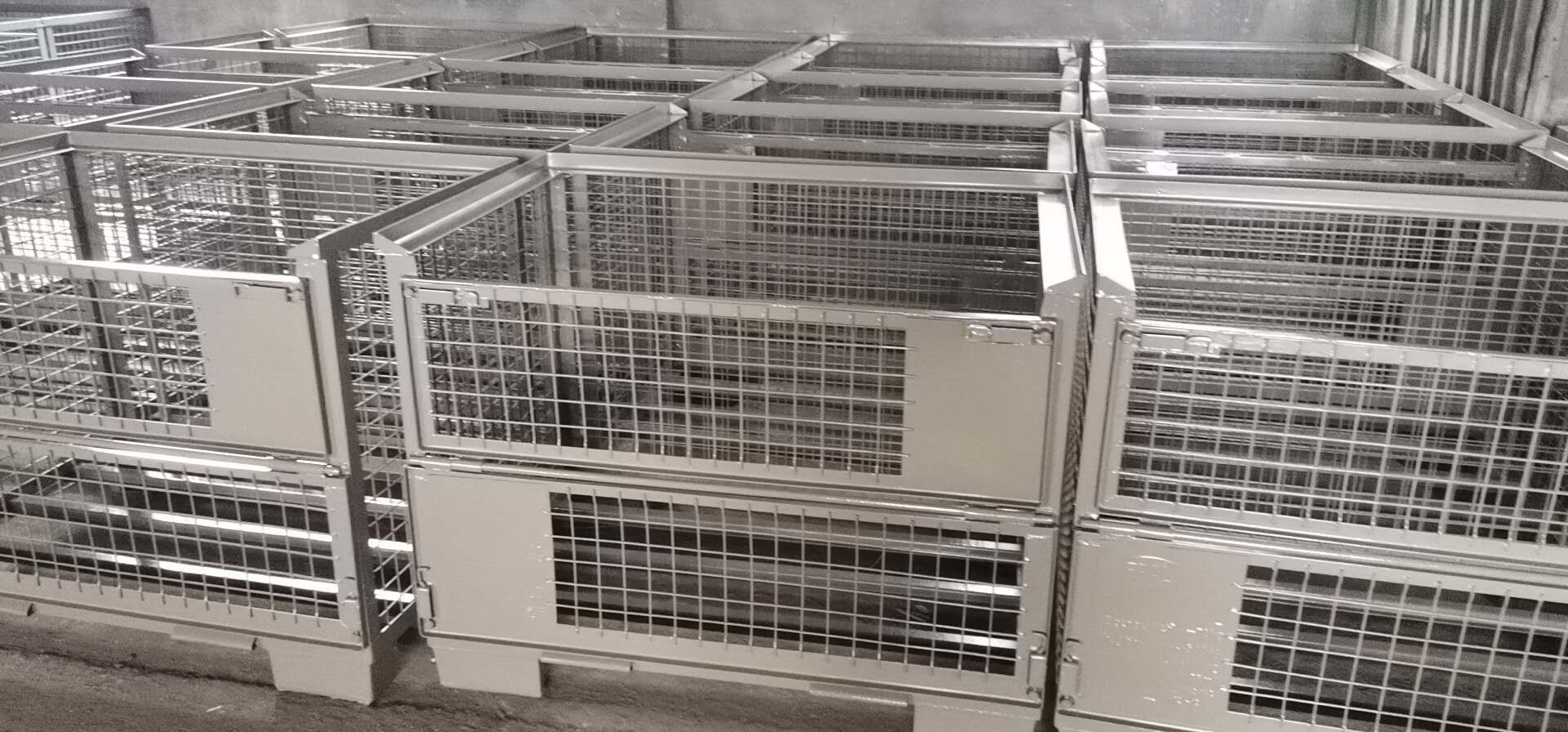
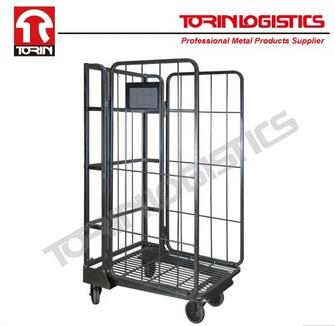
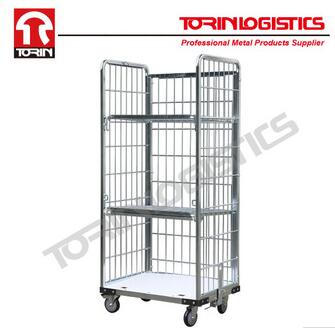
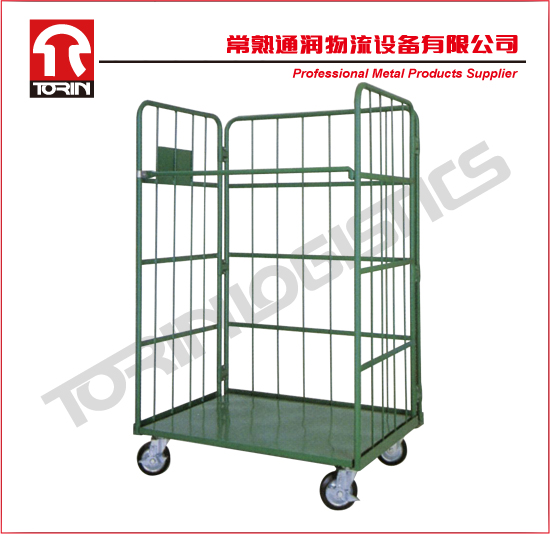
Cargo & Storage Equipment
Source commercial-grade Cargo & Storage Equipment from vetted suppliers and manufacturers across Asia. Designed for importers, industrial distributors, and brands requiring reliable OEM production, our network delivers heavy-duty racking, pallets, and storage solutions built to international load and safety standards.
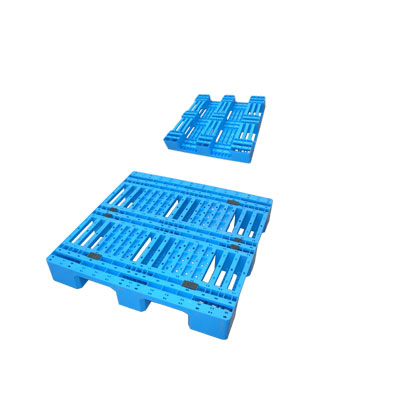
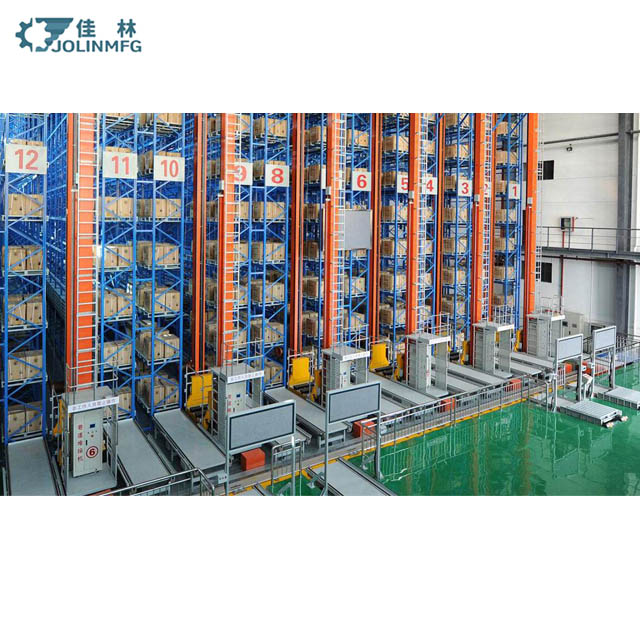
Sourcing industrial cargo and storage equipment at scale requires strict adherence to load ratings, material specifications, and structural integrity. Whether you are importing heavy-duty racking systems, structural steel shelving, or high-density plastic pallets, securing reliable factory partners is critical to avoiding equipment failure and managing your total landed costs.
In this category, the margin for error is zero. Buyers must accurately specify materials, verify manufacturing tolerances, and optimize product design for international freight.
Critical Specifications & Material Selection
The foundation of any storage equipment is its raw material. Specifying the wrong steel grade or plastic composition will drastically reduce load capacity and lifespan, especially in extreme environments like cold storage or outdoor yards.
Steel Grades for Racking and Shelving
Most industrial racking manufactured in China utilizes standard carbon steel, but the specific grade dictates the yield strength.
- Q235 Steel: The industry standard for general-purpose racking and shelving. It offers a good balance of strength, formability, and cost.
- Q345 (or Q355) Steel: A high-strength, low-alloy steel used for heavy-duty applications, high-bay racking, and drive-in systems where higher structural rigidity is required.
| Material Grade | Min. Yield Strength | Primary Application | Cost Profile |
|---|---|---|---|
| Q235 Steel | 235 MPa | Standard warehouse shelving & light-to-medium racking | Baseline |
| Q345 Steel | 345 MPa | Heavy-duty pallet racking & high-bay systems | Premium (approx. 10-15% higher) |
| Virgin HDPE | High impact resistance | Heavy-duty plastic pallets & cold storage bins | Premium |
| Recycled PP/HDPE | Moderate | One-way export pallets & light storage | Economical |
Surface Treatments
For steel equipment, surface treatment is not just cosmetic; it prevents structural degradation from rust.
- Powder Coating: The standard for indoor warehouse environments. Ensure the factory uses proper pre-treatment (acid washing and phosphating) so the coating adheres correctly and resists chipping.
- Hot-Dip Galvanizing: Essential for outdoor storage or corrosive environments (like chemical storage). It provides a thick zinc coating that withstands harsh conditions, though it adds significant cost and lead time.
Ensure your storage equipment meets strict load ratings with on-site factory audits and vetted manufacturers.
Talk to our teamManufacturing Tolerances & Quality Control
The structural integrity of cargo equipment relies heavily on the precision of the manufacturing process. Roll forming and welding are the two most critical stages on the factory floor.
In roll forming, steel coils are continuously bent into complex profiles (like uprights and beams). If the factory's tooling is worn or improperly calibrated, the resulting profiles will have dimensional inconsistencies, making assembly difficult and compromising the load-bearing capacity.
Welding quality is equally critical, particularly for base plates and beam connectors. Look for factories that utilize robotic welding for consistent penetration and seam quality. Manual welding is common but requires strict oversight to prevent porosity, undercut, or incomplete fusion.
To mitigate these risks, implementing rigorous Quality Control & Inspection is non-negotiable.
Key QC Checkpoints for Storage Equipment
- Dimensional accuracy of roll-formed uprights and beams (pitch and hole alignment).
- Weld penetration and visual inspection for robotic and manual welds.
- Coating thickness verification (using a coating thickness gauge) and cross-hatch adhesion testing.
- Static and dynamic load testing to verify stated weight capacities.
- Assembly testing to ensure beams lock securely into uprights without excessive force.
Before committing to a large order, conducting comprehensive Factory Audits helps verify that the supplier actually has the in-house roll forming lines, automated welding capabilities, and testing equipment they claim, rather than just assembling outsourced components.
Buying Mechanics: MOQs, Pricing, and Logistics
When sourcing cargo and storage equipment, logistics often dictate the purchasing strategy. Because these products are bulky and heavy, optimizing how they pack into a shipping container is just as important as the FOB price.
Container Optimization
Shipping "air" will destroy your margins. Storage equipment must be designed as Knock-Down (KD) structures whenever possible. Uprights should be bolted rather than welded, and plastic pallets should be nestable if they are not rackable. Working closely with your factory or a partner handling Shipping & Freight ensures that the packaging and palletization are engineered to maximize the cubic volume and weight limits of 40HQ containers.
Optimize your container loads and streamline your logistics with our end-to-end supply chain solutions.
Get a free consultationFrequently Asked Questions
Successful procurement in the cargo and storage equipment sector requires balancing structural safety with logistical efficiency. By specifying the exact material grades, enforcing strict manufacturing tolerances, and optimizing your container loads, you can secure high-quality equipment that delivers long-term value and safety for your end users.
Get Sourcing Help for Cargo & Storage Equipment
Tell us your requirements and our experts will connect you with verified manufacturers.