Cargo Bikes
Source commercial-grade cargo bikes from vetted manufacturers and suppliers across Asia. This catalog is built for importers, wholesalers, and mobility brands seeking reliable OEM and private-label production. Find partners capable of delivering high-load frames and compliant electric-assist systems at scale.
Sourcing cargo bikes at scale requires balancing heavy-duty frame engineering with reliable electric-assist integration. When gross vehicle weight ratings push past 200kg, standard bicycle manufacturing tolerances no longer apply. A successful import program hinges on vetting factories that understand structural rigidity, high-torque drivetrain integration, and stringent international safety standards.
Frame Engineering and Structural Specifications
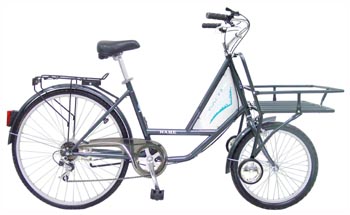
The core of any cargo bike—whether a front-loading "Long John" or a long-tail rear-loader—is its frame. Because these bikes endure significant torsional stress, the choice of material and welding quality directly dictates the product's lifespan and safety.
| Material | Characteristics | Typical Application |
|---|---|---|
| Aluminum Alloy (6061/7005) | Lightweight, rust-resistant, requires heat treatment (T6) after welding. | Premium consumer models, urban delivery. |
| Chromoly Steel (4130) | High tensile strength, excellent vibration damping, heavier. | Heavy-duty commercial fleets, rugged terrain. |
| Hi-Ten Steel | Low cost, very heavy, susceptible to rust if poorly coated. | Budget entry-level models (rarely recommended for high payload). |
Drivetrain and Motor Integration
For electric cargo bikes (e-cargo), motor selection is critical. Mid-drive motors (such as those from Bafang, Shimano, or Bosch) are the industry standard for heavy loads. Because they leverage the bike's gearing, they provide superior torque (often 80Nm to 120Nm) and efficiency at lower speeds, which is essential for moving dead weight from a standstill. Hub motors are more affordable but frequently overheat or struggle with high payloads on inclines.
Need help matching motor specifications to your target payload and market requirements?
Talk to our technical teamManufacturing Oversight and Quality Control
Cargo bikes face strict regulatory scrutiny. In Europe, electric-assist models must comply with EN 15194, and increasingly, specific cargo bike standards like DIN 79010. Verifying these certifications requires rigorous compliance & testing before mass production begins.
Relying solely on a factory's internal QC is a massive risk for high-liability products. Implementing independent quality control & inspection at the frame-welding and final-assembly stages is critical to catching misalignment before bikes are boxed.
Critical Factory-Level Inspections
- Weld Penetration: X-ray or destructive testing on sample frames to ensure joint integrity.
- Steering Linkage (Front-Loaders): Verification of rod ends and bearings for zero-play movement.
- Brake Bedding & Bleeding: Testing hydraulic disc brakes under simulated max-load conditions.
- Battery BMS Testing: Ensuring the Battery Management System properly regulates high-draw current to the motor.
- Frame Alignment: Checking long-wheelbase frames on specialized jigs to prevent tracking issues.
OEM Customization vs. Off-the-Shelf Sourcing
Most buyers utilize OEM/ODM services to customize an existing factory design. Modifying a factory's proven frame geometry (ODM) requires lower minimum orders and shorter lead times than opening new molds and jigs for a fully custom frame.
If you are developing a custom frame, ensure the supplier has the actual in-house capability to weld and align long-wheelbase frames. Standard bicycle jigs cannot accommodate cargo bikes. Comprehensive factory audits are essential to verify their specific production lines, jig setups, and heat-treatment facilities.
Production Realities: MOQs, Lead Times, and Assembly
Component sourcing is the primary bottleneck in cargo bike manufacturing. High-end drivetrains, hydraulic brakes, and premium battery cells often dictate the production schedule.
Optimize your supply chain and negotiate better terms with vetted cargo bike manufacturers.
Get a free consultationFrequently Asked Questions
Ultimately, succeeding in the cargo bike market requires a supply chain built on technical precision and rigorous oversight. By partnering with manufacturers who understand high-load engineering and strictly managing the QC process, you can deliver a product that stands up to daily commercial or heavy family use.
Get Sourcing Help for Cargo Bikes
Tell us your requirements and our experts will connect you with verified manufacturers.