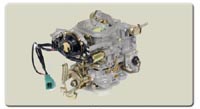
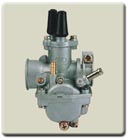
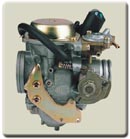
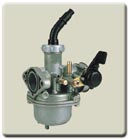
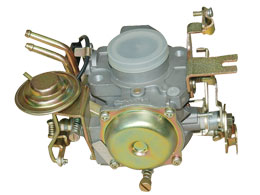
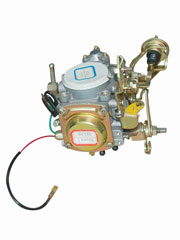
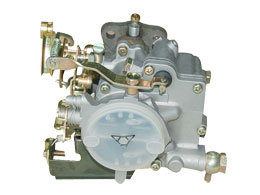
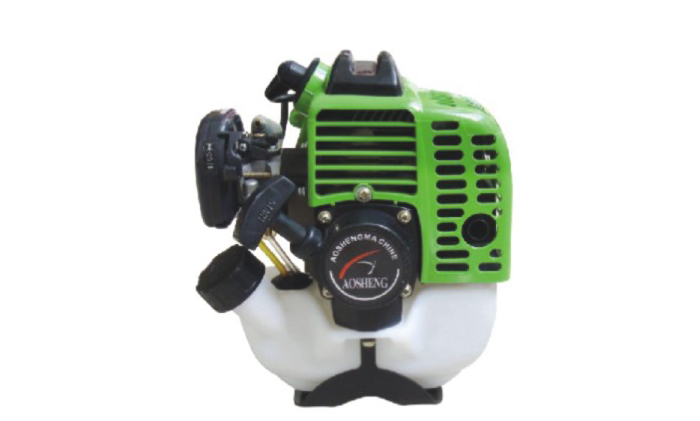
Carburetors
Source high-quality carburetors from vetted suppliers and manufacturers across Asia. Designed for automotive parts distributors, wholesalers, and aftermarket brands, our network supports bulk wholesale orders and custom OEM production. Partner with us for reliable engine system components built to exact specifications.
Sourcing reliable carburetors for the automotive aftermarket, power sports, or small engine applications requires strict adherence to dimensional tolerances and fluid dynamics. A poorly cast body, improper surface treatment, or inaccurately calibrated jetting leads directly to engine performance issues, fuel leaks, and high return rates. For volume buyers, selecting a manufacturing partner with in-house precision machining and rigorous flow testing is critical to protecting your brand's reputation.
Critical Specifications for Bulk Carburetor Sourcing
When engaging a factory for aftermarket replacements or custom performance carburetors, your technical data pack must be exhaustive. Factories producing these components rely heavily on the exact specifications provided to calibrate their tooling and assembly lines.
Key parameters you must define include:
- Bore and Venturi Dimensions: Specified in millimeters, dictating the airflow capacity (CFM rating).
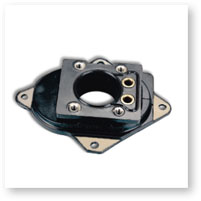
- Mounting Flange Type: Bolt spacing and orientation to ensure drop-in compatibility with target intake manifolds.
- Jetting Specifications: Main jet, pilot jet, and air bleed sizes, which must be calibrated for the intended altitude and application.
- Choke Mechanism: Manual, electric, or water-choke configurations.
| Material Characteristic | Zinc Alloy (Die-Cast) | Aluminum (Billet or Cast) |
|---|---|---|
| Weight | Heavier, traditional feel | Significantly lighter |
| Corrosion Resistance | Requires chromate conversion coating | Naturally resistant, often anodized |
| Manufacturing Cost | Lower material and casting costs | Higher material and machining costs |
| Common Applications | Standard aftermarket replacements | High-performance and racing applications |
Need to verify a supplier's precision machining and die-casting capabilities before placing a volume order?
Talk to our teamManufacturing Quality and Defect Prevention
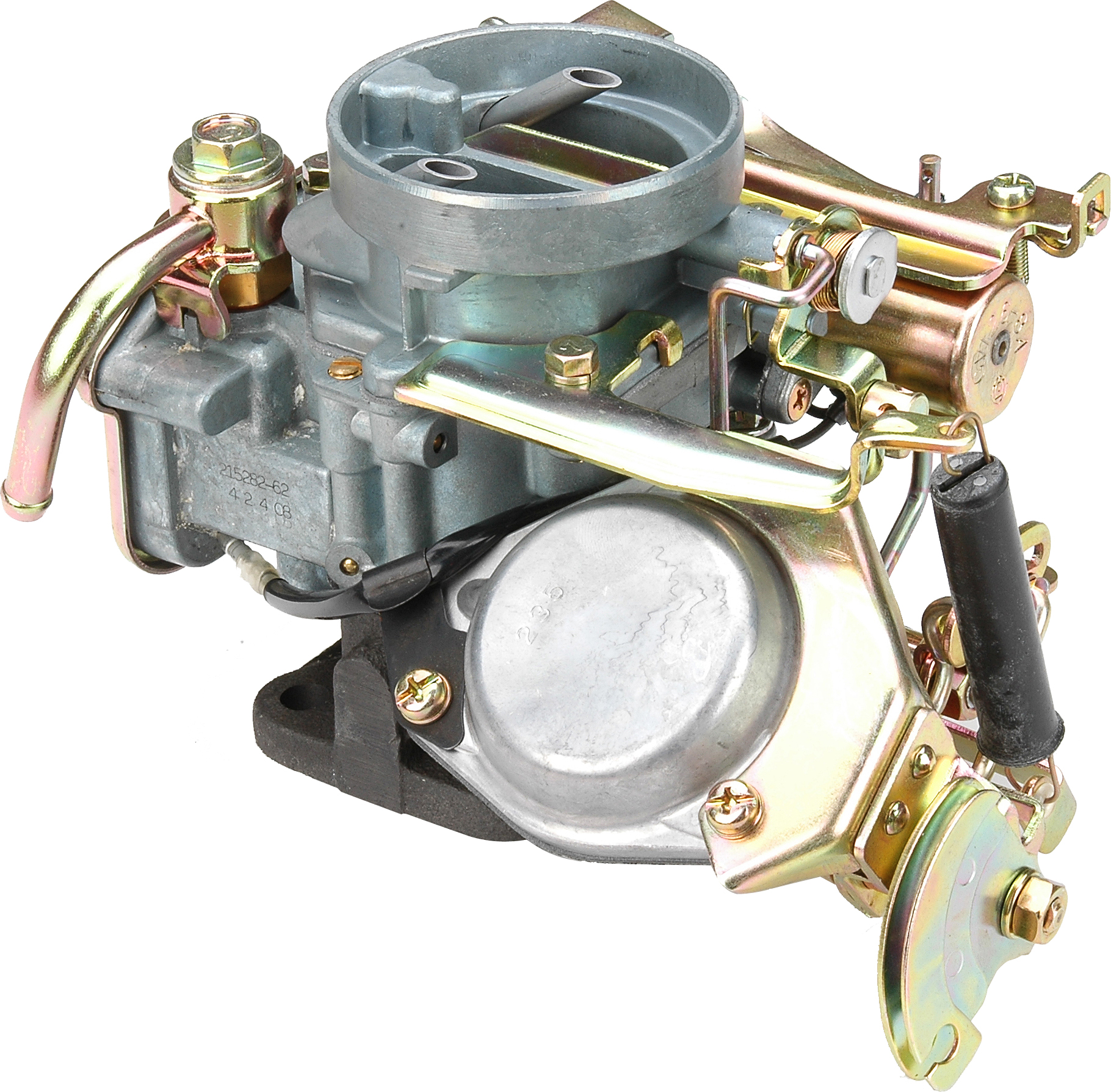
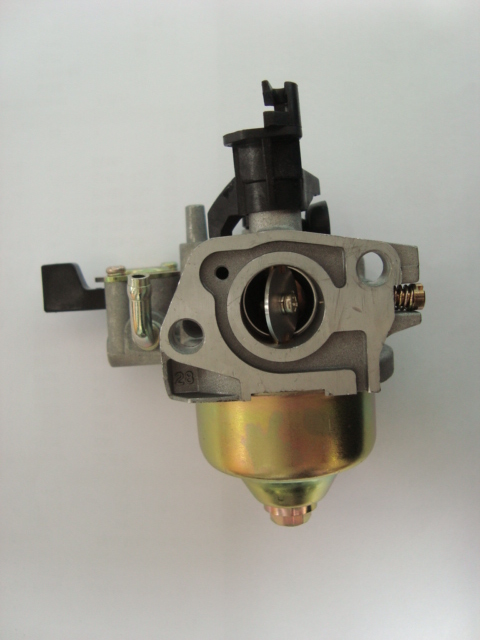
The core of a carburetor is its main body, typically produced via high-pressure die casting. Quality is won or lost on the factory floor during the casting and subsequent CNC machining phases. Porosity in the casting can lead to internal fuel leaks between circuits, a defect that is notoriously difficult to diagnose after assembly.
To mitigate these risks, professional buyers rely on factory audits to verify that a supplier maintains strict control over their die-casting parameters, such as mold temperature and injection pressure.
Die Casting & Machining
High-pressure casting of the main body, followed by CNC machining of the venturi, throttle shaft bores, and jet threads to tight tolerances.
Surface Treatment
Application of anti-corrosion finishes, such as zinc dichromate plating, to protect internal fuel passages from modern ethanol-blended fuels.
Assembly & Calibration
Installation of the throttle plate, float assembly, and jets. The float height must be set precisely to ensure proper fuel bowl levels.
Flow Bench Testing
Verification of air and fuel flow rates across various throttle positions to ensure performance matches the target specification.
Implementing rigorous quality control & inspection protocols is essential. Pre-shipment inspections should always include leak-down testing of the needle and seat assembly, as well as vacuum testing of the throttle shaft to check for air leaks.
Sourcing Realities: Pricing, MOQs, and Lead Times
The carburetor manufacturing sector in Asia is highly segmented. Some factories specialize in small-displacement engines (lawn and garden, motorcycles), while others focus on automotive and marine applications.
If you are leveraging OEM/ODM services to develop a custom performance carburetor, expect higher upfront tooling costs for the casting molds. For standard aftermarket replacements utilizing existing factory molds, costs and MOQs are significantly lower.
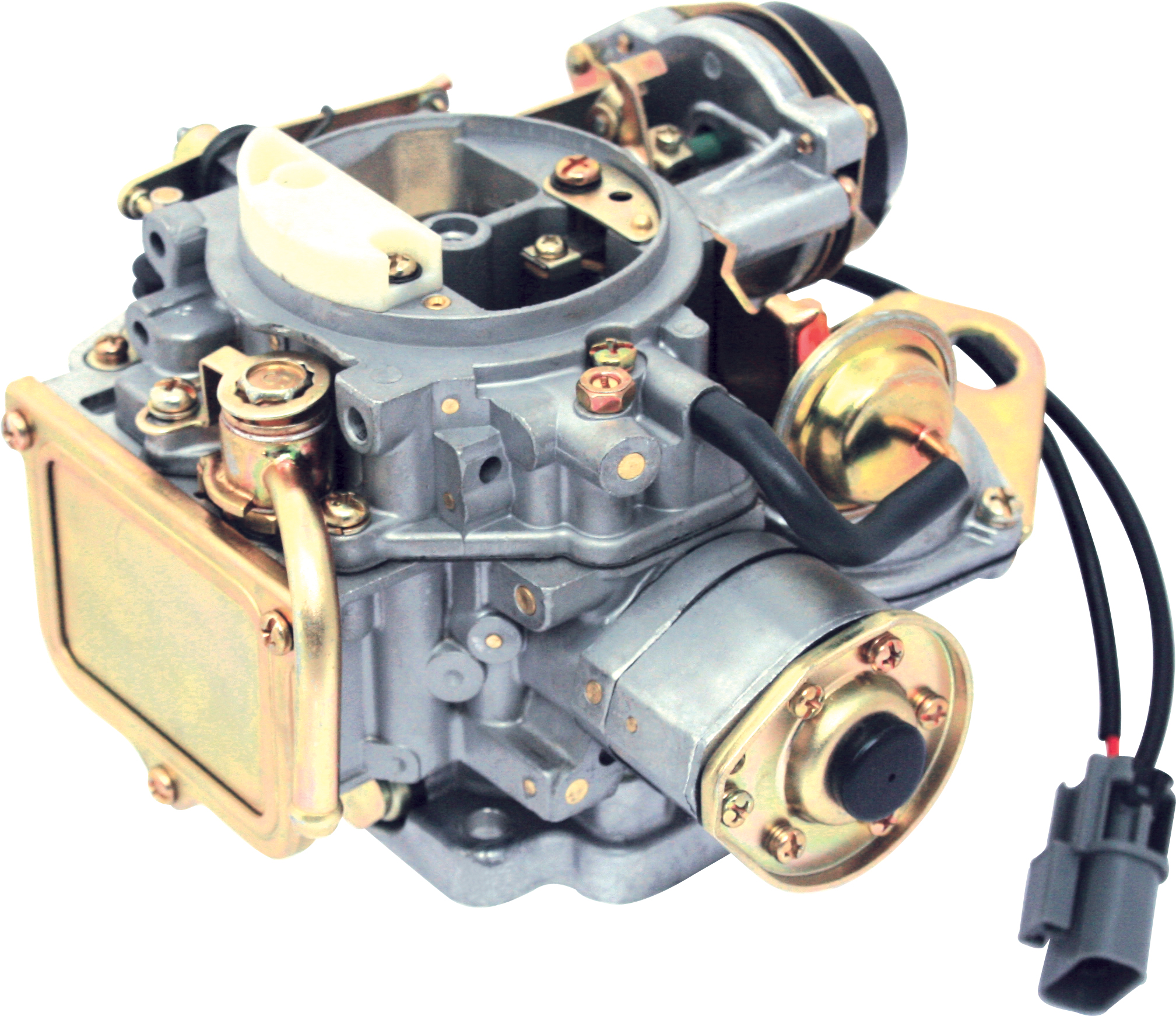
Pricing is heavily influenced by raw material markets (zinc and aluminum) and the complexity of the internal circuitry. Multi-barrel automotive carburetors command a significant premium over single-barrel motorcycle units due to the increased assembly time and calibration requirements.
Looking to optimize your engine parts supply chain and negotiate better terms with reliable factories?
Get a free consultationFrequently Asked Questions
Successfully sourcing carburetors at scale means looking past the surface finish and focusing on the factory's engineering fundamentals. A supplier's ability to maintain tight CNC tolerances and consistently execute flow-bench testing is what ultimately determines the performance of the product in the field.
Get Sourcing Help for Carburetors
Tell us your requirements and our experts will connect you with verified manufacturers.