Carbon Analyzers
Source high-precision Carbon Analyzers from vetted manufacturers and suppliers in China and Asia. Designed for scientific distributors, industrial procurement managers, and brands seeking OEM production, our wholesale catalog offers reliable analytical instruments for metallurgy, environmental testing, and laboratory applications.
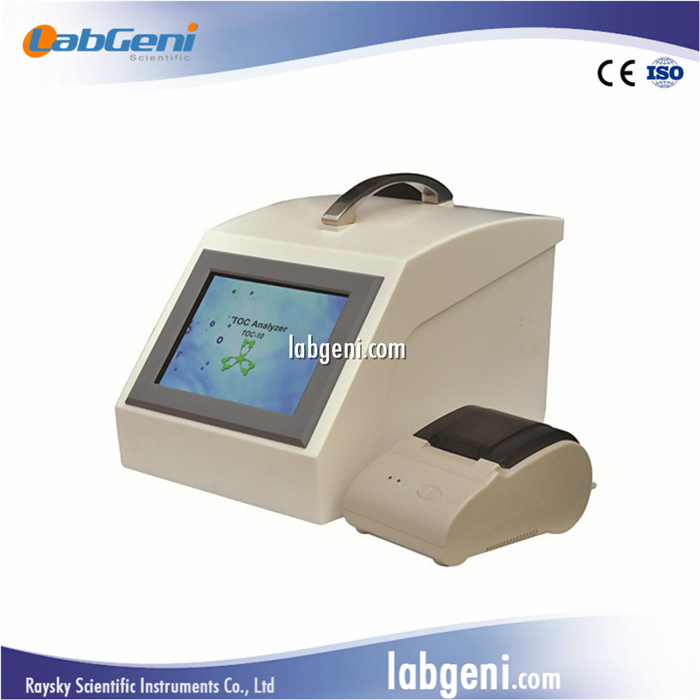
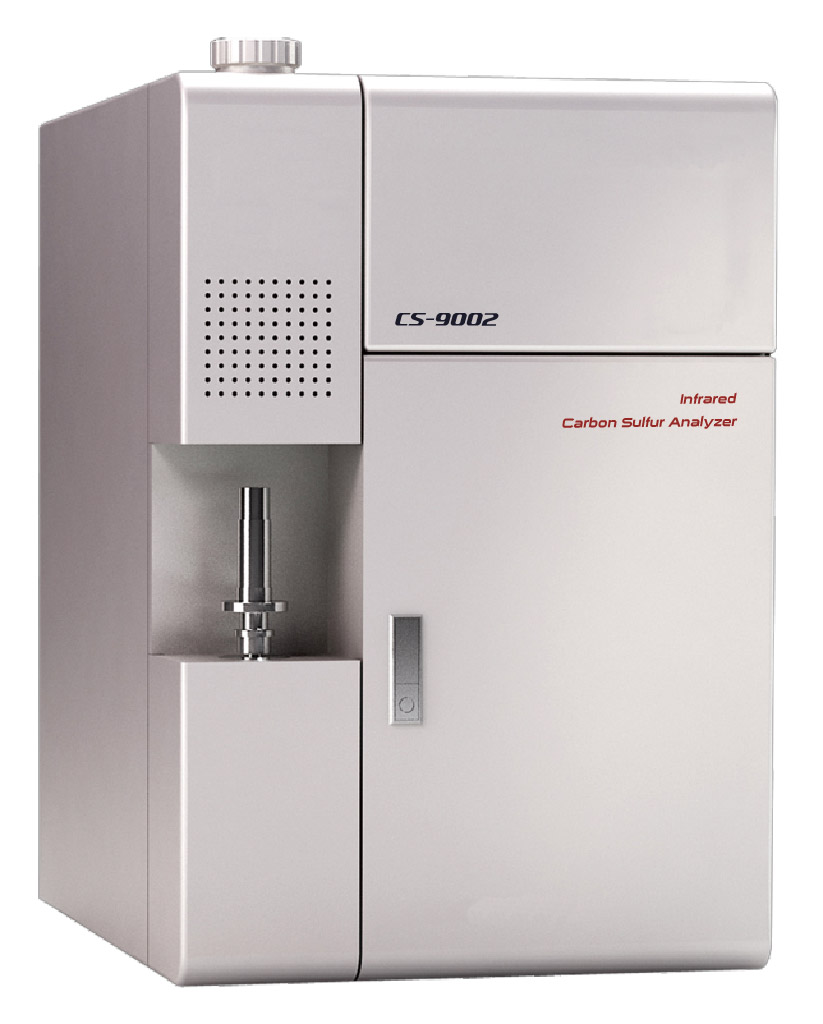
Procuring carbon analyzers in bulk or setting up an OEM manufacturing line requires navigating a highly specialized supply chain. Whether you are sourcing combustion-type analyzers for metallurgical applications (often paired with sulfur detection) or Total Organic Carbon (TOC) analyzers for environmental monitoring, the primary sourcing challenge remains the same: ensuring long-term sensor stability and reliable gas flow control. The difference between a premium analytical instrument and a high-maintenance liability usually comes down to the quality of the infrared detectors, the precision of the mass flow controllers, and the robustness of the localized software.
Critical Specifications to Define with Manufacturers
When negotiating with analytical instrument manufacturers, vague specifications lead to inconsistent performance. Professional buyers must dictate the exact hardware components and performance metrics expected from the factory.
| Specification | Standard Industrial Grade | High-Precision Laboratory Grade |
|---|---|---|
| Detector Type | Standard NDIR (Non-Dispersive Infrared) | High-sensitivity gold-plated NDIR with solid-state IR source |
| Relative Standard Deviation (RSD) | Less than 1.0% | Less than or equal to 0.4% |
| Gas Flow Control | Analog rotameters | Electronic Mass Flow Controllers (MFC) |
| Analysis Time | 45 to 60 seconds | 20 to 40 seconds |
Detector and Optical Chamber Requirements
The heart of any carbon analyzer is the NDIR detector. Lower-tier manufacturers often cut costs by using cheaper, non-sealed optical chambers or low-grade infrared emitters that degrade quickly, leading to baseline drift. Specify that detectors must feature gold-plated absorption cells to prevent oxidation and require solid-state pyroelectric sensors for long-term stability.
Struggling to verify the internal components of your analytical instruments? Let us vet the factory's supply chain to ensure they use certified, high-grade sensors.
Talk to our teamWhere Quality is Won or Lost on the Factory Floor
Producing reliable analytical equipment requires strict environmental controls and rigorous calibration procedures. If a factory lacks a dedicated, climate-controlled calibration laboratory, the instruments will not perform accurately in the field.
Conducting thorough Factory Audits is essential before committing to a supplier. You must verify that the manufacturer has the capability to test instruments against certified reference materials (CRMs) and that their assembly lines prevent dust contamination in the optical pathways.
Pre-Shipment Inspection Focus Areas
- Verify baseline stability over a continuous 8-hour operation cycle.
- Test calibration linearity using at least three certified reference materials (low, medium, high carbon content).
- Inspect the high-frequency combustion furnace for proper induction coil alignment and cooling efficiency.
- Ensure all software interfaces and error logs are fully localized into the target market's language.
Implementing rigorous Quality Control & Inspection protocols at the factory level prevents defective or poorly calibrated units from ever leaving the facility.
Software Localization and OEM/ODM Integration
For brands looking to private-label or develop custom instruments, the hardware is only half the battle. Software is frequently the weakest link in imported analytical equipment. Standard factory software may lack Laboratory Information Management System (LIMS) integration, feature poor UI/UX, or contain translation errors.
When engaging in OEM/ODM Services, clearly outline your software requirements. Demand open communication protocols (like RS232, TCP/IP, or USB data export capabilities) and require the factory to provide the software framework for your own engineers to review or localize.
Typical MOQs, Pricing, and Lead Times
Because carbon analyzers are high-value, complex instruments, the purchasing dynamics differ significantly from standard consumer electronics.
When forecasting your budget, remember to account for the cost of consumable parts (crucibles, accelerators, reagents) and spare parts (O-rings, quartz tubes). Negotiating a comprehensive spare parts package alongside your bulk order is highly recommended to support your after-sales service.
Need help negotiating favorable terms, spare parts packages, and strict quality control protocols with instrument manufacturers? We can manage the process end-to-end.
Get a free consultationFrequently Asked Questions
Successfully sourcing carbon analyzers requires a meticulous approach to component verification and factory capability. By controlling the specifications of the detectors, mandating strict calibration protocols, and securing reliable after-sales parts, you can build a highly profitable and dependable product line. If you need experienced boots on the ground to manage technical negotiations and quality assurance, our team is ready to assist.
Get Sourcing Help for Carbon Analyzers
Tell us your requirements and our experts will connect you with verified manufacturers.