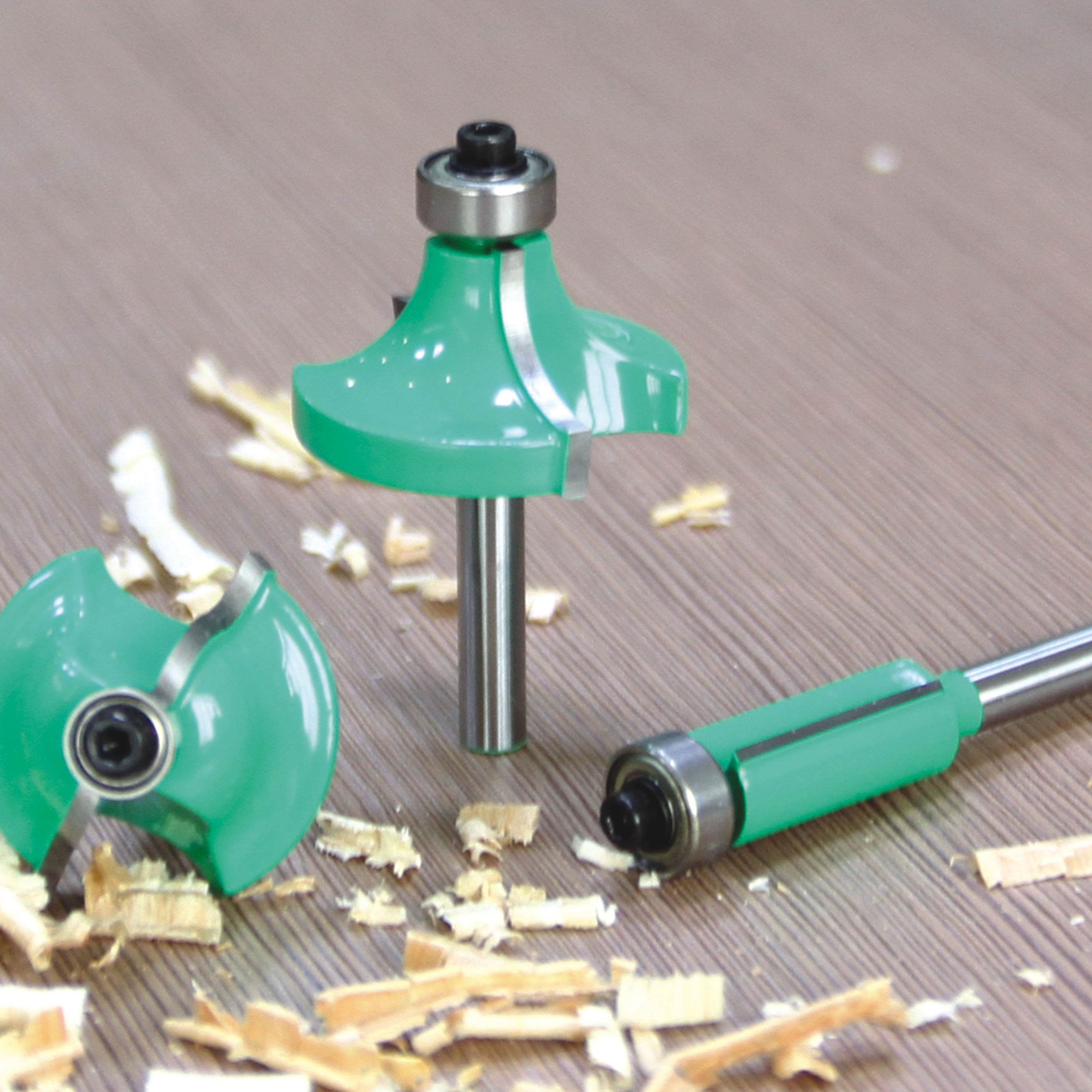
Carbide-Tipped Router Bits
Source premium carbide-tipped router bits directly from vetted manufacturers and suppliers. Designed for importers, tool distributors, and hardware brands seeking reliable wholesale purchasing and custom OEM/ODM production. Secure competitive pricing, strict quality control, and scalable volume manufacturing for your tool catalog.
Sourcing carbide-tipped router bits at scale requires balancing unit cost with the uncompromising safety and performance demands of high-RPM cutting tools. The core sourcing challenge is rarely finding a factory capable of brazing carbide to steel. Rather, it is identifying a manufacturer with the CNC grinding capabilities, precise induction brazing controls, and rigorous dynamic balancing processes necessary to deliver consistent runout tolerances across thousands of units.
Critical Specifications & Material Selection
The performance of a router bit is dictated by the synergy between the steel body, the carbide tip, and the braze joint. Specifying "tungsten carbide" on a purchase order is insufficient for professional-grade tools; buyers must dictate the exact material parameters.
- Carbide Grades: Professional and industrial bits require micro-grain or sub-micro-grain tungsten carbide (WC) formulated with a specific cobalt binder ratio. Finer grains offer superior edge retention and sharper cutting angles, though they are inherently more brittle and require precise machining.
- Body Steel: The shank and body must resist immense torsion and fatigue. 42CrMo alloy steel or high-strength 45# carbon steel are standard requirements for the tool body.
- Braze Alloy: Silver-copper-zinc alloys are the industry standard for brazing the carbide to the steel. A higher silver content (often up to 49 percent) provides better shock absorption, reducing the risk of carbide fracture during heavy, intermittent cuts.
| Market Segment | Typical Carbide Grade | Body Material | Primary Application |
|---|---|---|---|
| DIY / Consumer | Standard Grain (K20) | 45# Carbon Steel | Occasional softwood routing |
| Professional | Micro-Grain (K10/K05) | 42CrMo Alloy Steel | Hardwoods, heavy daily use |
| Industrial / CNC | Sub-Micro-Grain | Hardened Alloy Steel | MDF, composites, continuous feed |
Need help verifying supplier material specifications? We can audit factory raw material supply chains to ensure you get exactly what you specify.
Talk to our teamManufacturing Tolerances & Quality Control
A factory's equipment list tells you more about their capabilities than their product catalog. High-quality production relies heavily on multi-axis CNC tool and cutter grinders to achieve exact shear angles, hook angles, and relief clearances. Manual grinding cannot achieve the consistency required for wholesale distribution.
Brazing is another common failure point. Uneven heating during high-frequency induction brazing causes residual stress in the carbide, leading to tip failure under load. Furthermore, any bit spinning at 20,000 RPM must be dynamically balanced. Poor balancing causes vibration (chatter), which results in a poor surface finish on the workpiece and premature wear on the user's router bearings.
Implementing robust Quality Control & Inspection protocols is essential before shipment to catch these invisible defects.
Factory Floor QC Priorities
- Runout tolerance verification (must be strictly under 0.05mm at the shank).
- Braze joint ultrasound or visual dye penetrant inspection to detect dangerous voids.
- Dynamic balancing checks, especially on bits larger than 1 inch in cutting diameter.
- Optical comparator measurement of the cutting profile against original CAD data.
OEM Customization & Branding
For hardware brands developing their own tool lines, OEM/ODM Services allow for significant product differentiation. Beyond custom profiles for specific architectural moldings, buyers can specify proprietary non-stick coatings (such as industrial PTFE) to reduce pitch and resin buildup. Laser-etched branding, maximum RPM warnings, and exact insertion depth marks on the shank elevate the perceived value and safety of the product.
Pricing Drivers, MOQs, and Lead Times
Volume pricing is highly dependent on the complexity of the profile, the volume of carbide used, and the required CNC grinding time. Complex panel-raising bits or multi-profile architectural bits will inherently cost more and require longer setup times than standard straight or flush-trim bits. Consolidating your purchasing through professional Product Sourcing can help optimize these costs across a broad catalog.
Looking to consolidate your tool sourcing? Let us negotiate MOQs and manage production schedules across multiple specialized manufacturers.
Get a free consultationFrequently Asked Questions
Ultimately, the reliability of your router bit supply chain comes down to the operational maturity of the factory. Verifying a supplier's machinery, raw material sourcing, and internal testing protocols through comprehensive Factory Audits is the most effective way to mitigate risk before committing to a volume order.
Get Sourcing Help for Carbide-Tipped Router Bits
Tell us your requirements and our experts will connect you with verified manufacturers.