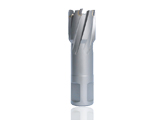
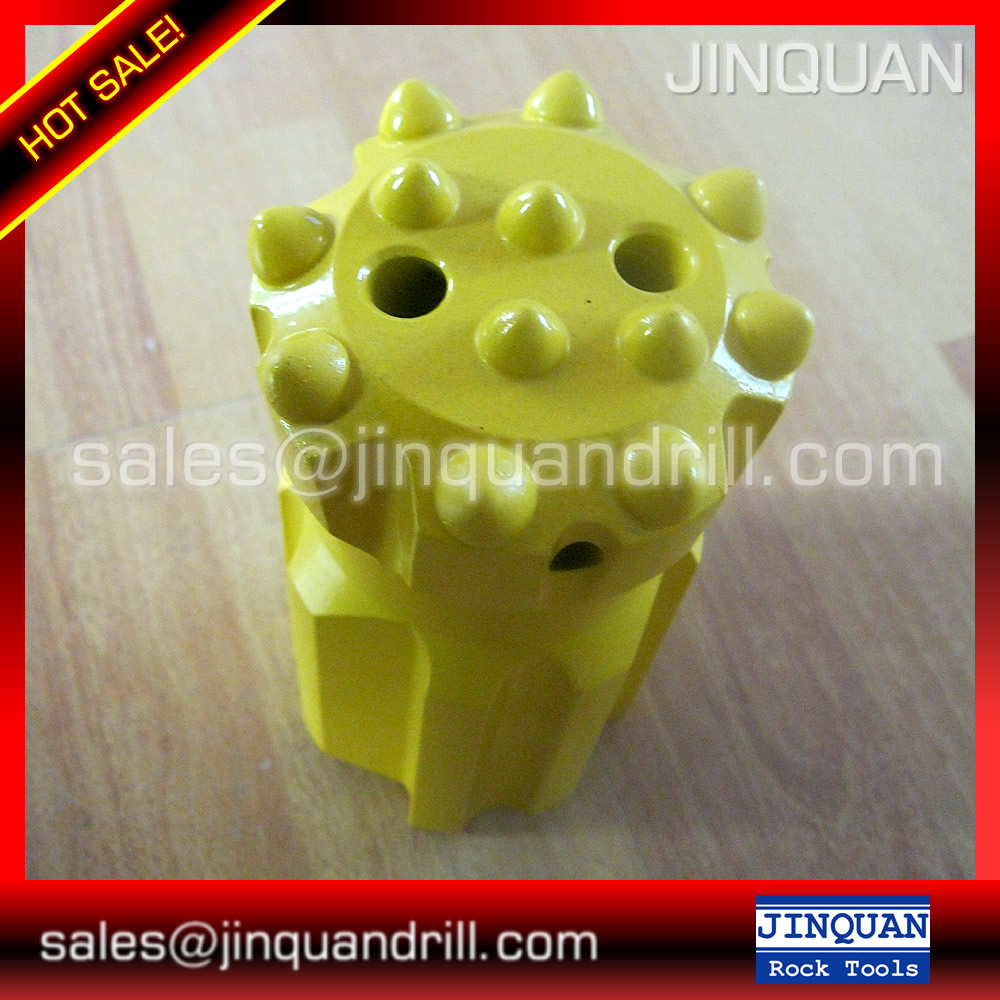
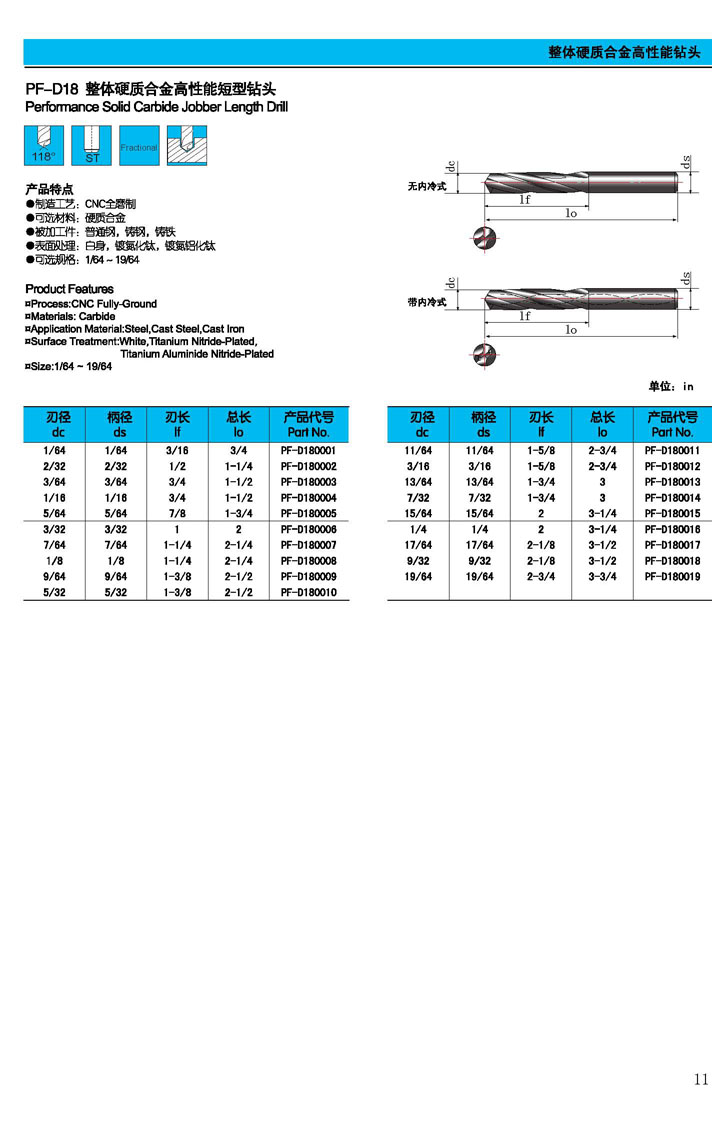
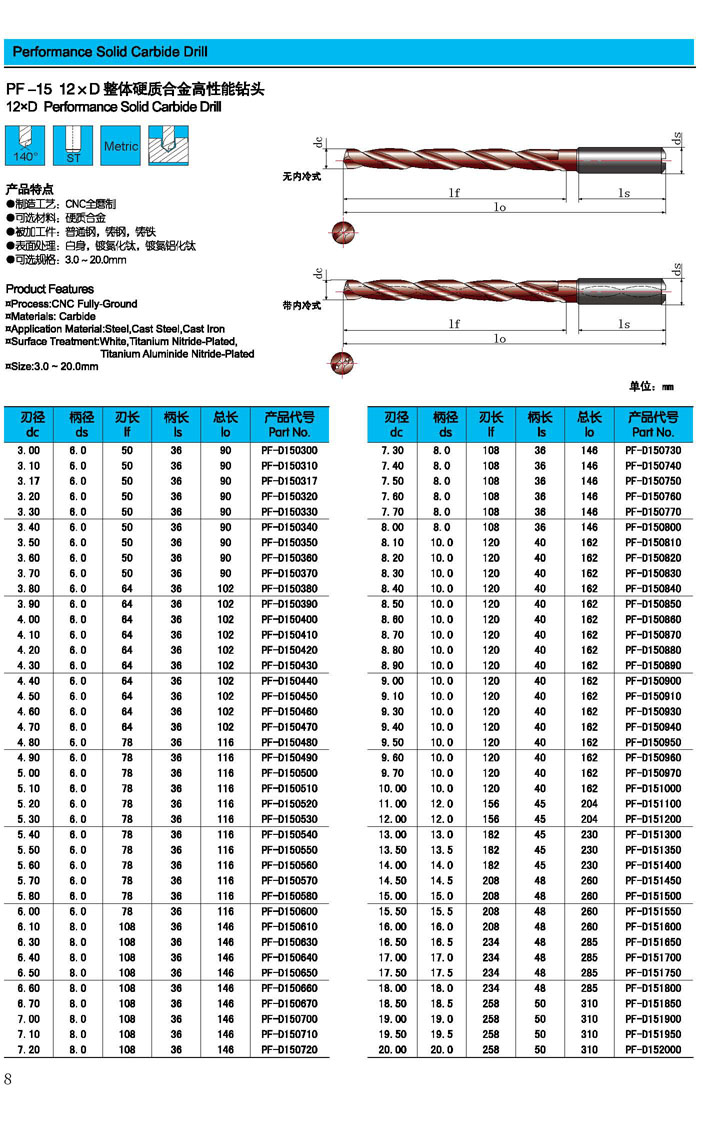
Carbide Drill Bits for Machine Tools
Source premium Carbide Drill Bits for Machine Tools from vetted suppliers and manufacturers. Designed for importers, industrial tool distributors, and brands requiring reliable OEM and private-label production. Secure bulk pricing on high-performance solid carbide and tipped tooling engineered for precision CNC machining.
Sourcing carbide drill bits for industrial machine tools requires strict oversight of raw material composition and grinding precision. For CNC applications, tool failure is catastrophic, leading to scrapped workpieces and expensive machine downtime. When purchasing in bulk, verifying that a manufacturer uses genuine sub-micron carbide rods and maintains strict runout tolerances is the difference between a high-performance tool and a liability.
Specifying Raw Material: Carbide Grades and Grain Size
The foundation of any solid carbide drill bit is the tungsten carbide (WC) rod and its cobalt (Co) binder. Factories often cut costs by substituting premium ultra-fine grain carbide with cheaper, coarse-grain alternatives, which compromises the tool's hardness and wear resistance at high cutting speeds.
When negotiating with a factory, you must specify the grain size and the origin of the carbide blanks. Top-tier manufacturers utilize imported rods from Germany or Japan, or high-grade domestic rods from hubs like Zhuzhou.
| Carbide Grade | Grain Size | Cobalt Content | Primary Application |
|---|---|---|---|
| Standard Micro-Grain | 0.8 to 1.0 micron | 10% to 12% | General purpose steel, cast iron |
| Ultra-Fine Grain | 0.4 to 0.6 micron | 8% to 10% | Hardened steels, titanium, high-speed CNC |
| Sub-Micron (High Co) | 0.5 to 0.8 micron | 12% to 15% | Stainless steel, high-shock applications |
Ensure your carbide tooling meets strict material and tolerance requirements before leaving the factory.
Talk to our teamGeometry, Grinding, and Coating Specifications
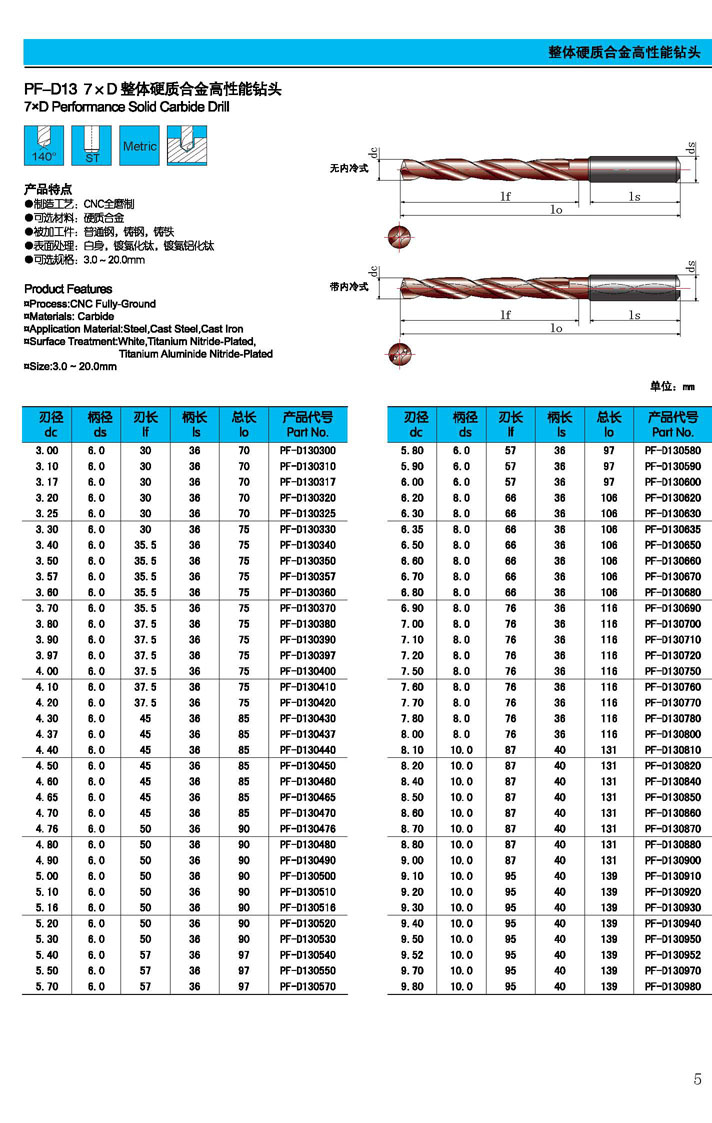
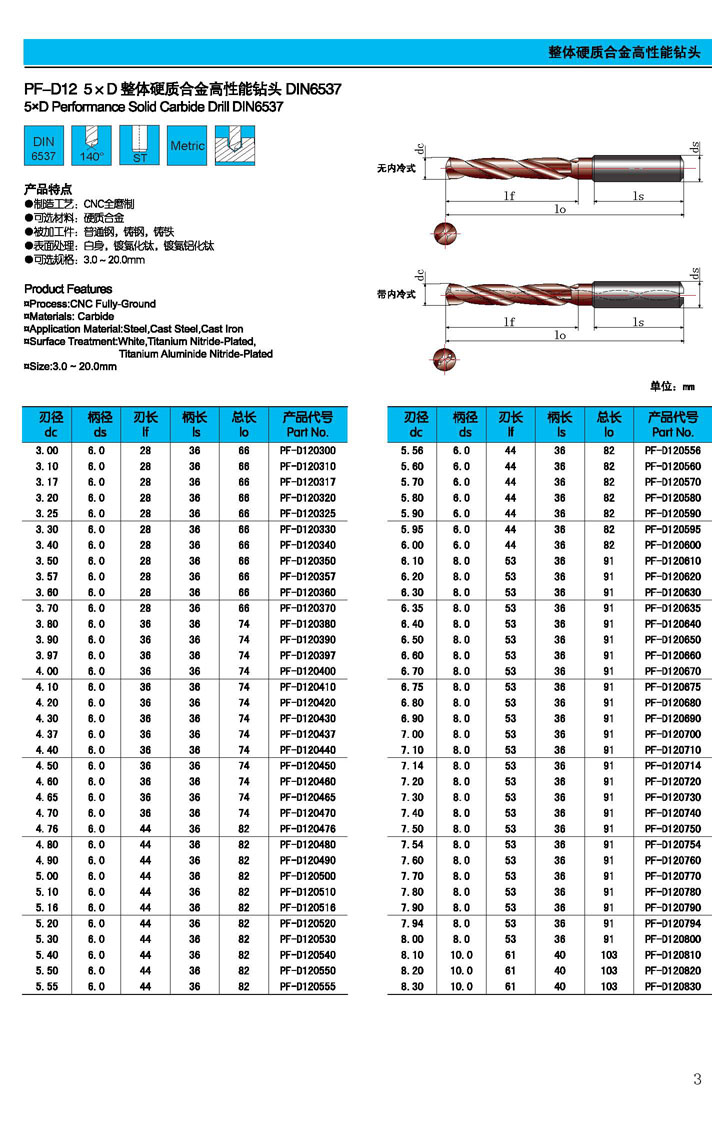
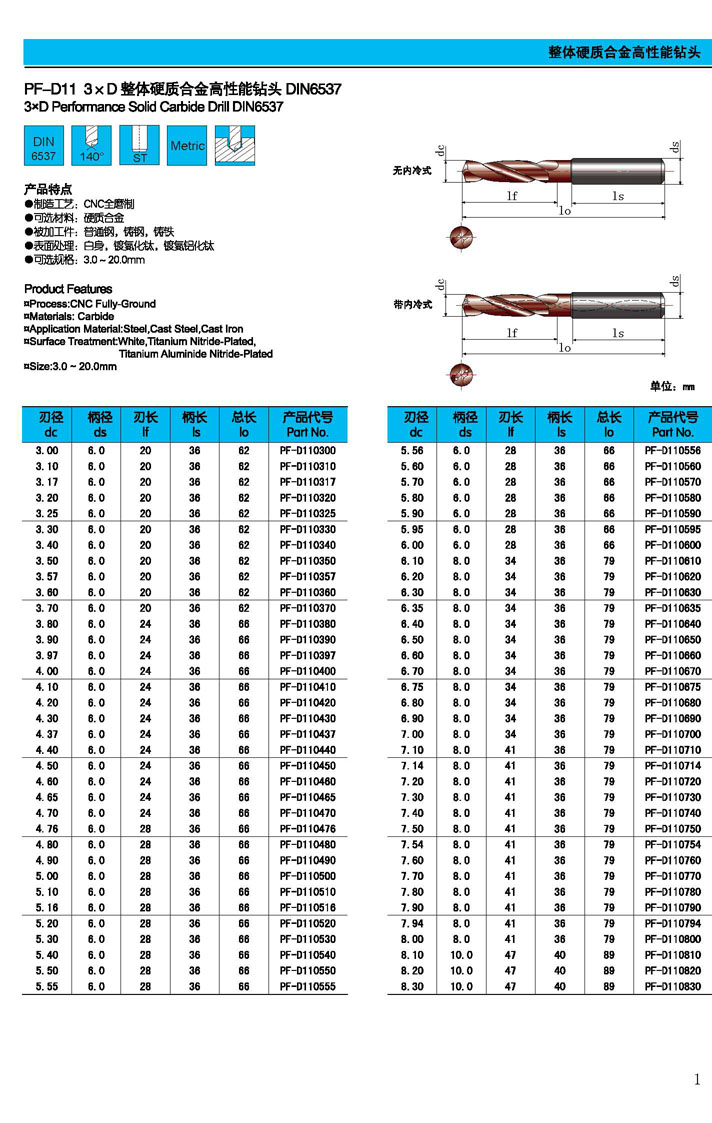
The performance of a machine tool drill bit is dictated by its geometry and surface treatment. High-end factories utilize advanced 5-axis CNC grinding centers (such as Rollomatic or Anca) to ensure perfect symmetry.
- Point Angle: Standard 118-degree points are common, but high-performance CNC drilling typically requires 135-degree or 140-degree split points for self-centering and reduced thrust force.
- Coolant-Through Holes: For deep-hole drilling (over 3xD), internal coolant channels are essential. This requires specialized extruded carbide rods, which increases raw material costs and lead times.
- PVD Coatings: Uncoated carbide degrades rapidly. Specify Titanium Aluminum Nitride (TiAlN) or Aluminum Titanium Nitride (AlTiN) for high-heat resistance. Ensure the factory has in-house PVD coating capabilities or partners with a reputable coating center (like Oerlikon Balzers).
Quality Control and Tolerance Verification
A drill bit is only as good as its shank tolerance and concentricity. If the shank is out of tolerance, it will not seat correctly in a shrink-fit or hydraulic chuck, causing runout (wobble) that destroys the tool and the workpiece.
Critical Factory Inspection Points
- Shank Tolerance: Must strictly adhere to h6 tolerance standards for CNC tool holders.
- Total Indicator Runout (TIR): Should be under 0.005 mm to ensure tool life and hole accuracy.
- Cutting Edge Prep: Verify hone or chamfer size under high magnification to prevent edge chipping.
- Coating Adhesion: Test for flaking or uneven deposition along the flutes.
Implementing rigorous Quality Control & Inspection prior to shipment is vital. Do not rely solely on the factory's internal inspection reports; independent verification of TIR and edge geometry prevents defective batches from entering your supply chain.
Sourcing Realities: MOQs, Lead Times, and Customization
Buying wholesale carbide drill bits directly from manufacturers allows for significant margin improvement, but it requires navigating production minimums and setup costs.
If you are developing custom step drills or proprietary flute profiles, leverage OEM/ODM Services to protect your intellectual property. Before committing to custom tooling, conducting thorough Factory Audits is essential to confirm the supplier actually owns the necessary 5-axis grinding equipment and isn't outsourcing your production to a lower-tier workshop.
Streamline your tooling procurement and secure reliable, high-precision production capacity.
Get a free consultationFrequently Asked Questions
Successful sourcing of machine tool drill bits goes beyond negotiating the lowest unit price. By strictly defining your carbide grade, verifying grinding tolerances, and auditing the factory's actual equipment, you secure tooling that delivers reliable performance on the spindle. Consistent quality control is the only way to protect your brand and your margins.
Get Sourcing Help for Carbide Drill Bits for Machine Tools
Tell us your requirements and our experts will connect you with verified manufacturers.