Car Washers
Source high-performance car washers from vetted suppliers and manufacturers across Asia's top industrial hubs. Designed for automotive distributors, hardware wholesalers, and brands seeking reliable OEM and private-label production, our network delivers bulk pricing, stringent quality control, and scalable manufacturing capabilities.
Sourcing high-pressure car washers at scale requires navigating a market flooded with inflated specifications and inconsistent component quality. For importers and brands, the difference between a reliable unit that builds customer loyalty and a high-return-rate liability lies entirely in motor selection, pump architecture, and strict assembly tolerances on the factory floor.
Successfully importing these units means looking past the outer plastic housing and auditing the internal mechanics that dictate product lifespan.
Core Specifications and Component Selection
When specifying car washers for bulk production, buyer-provided bills of materials (BOM) must dictate the exact internal components. Relying on a factory's default "off-the-shelf" configuration often results in cost-cutting on critical internals.
Motor Technologies
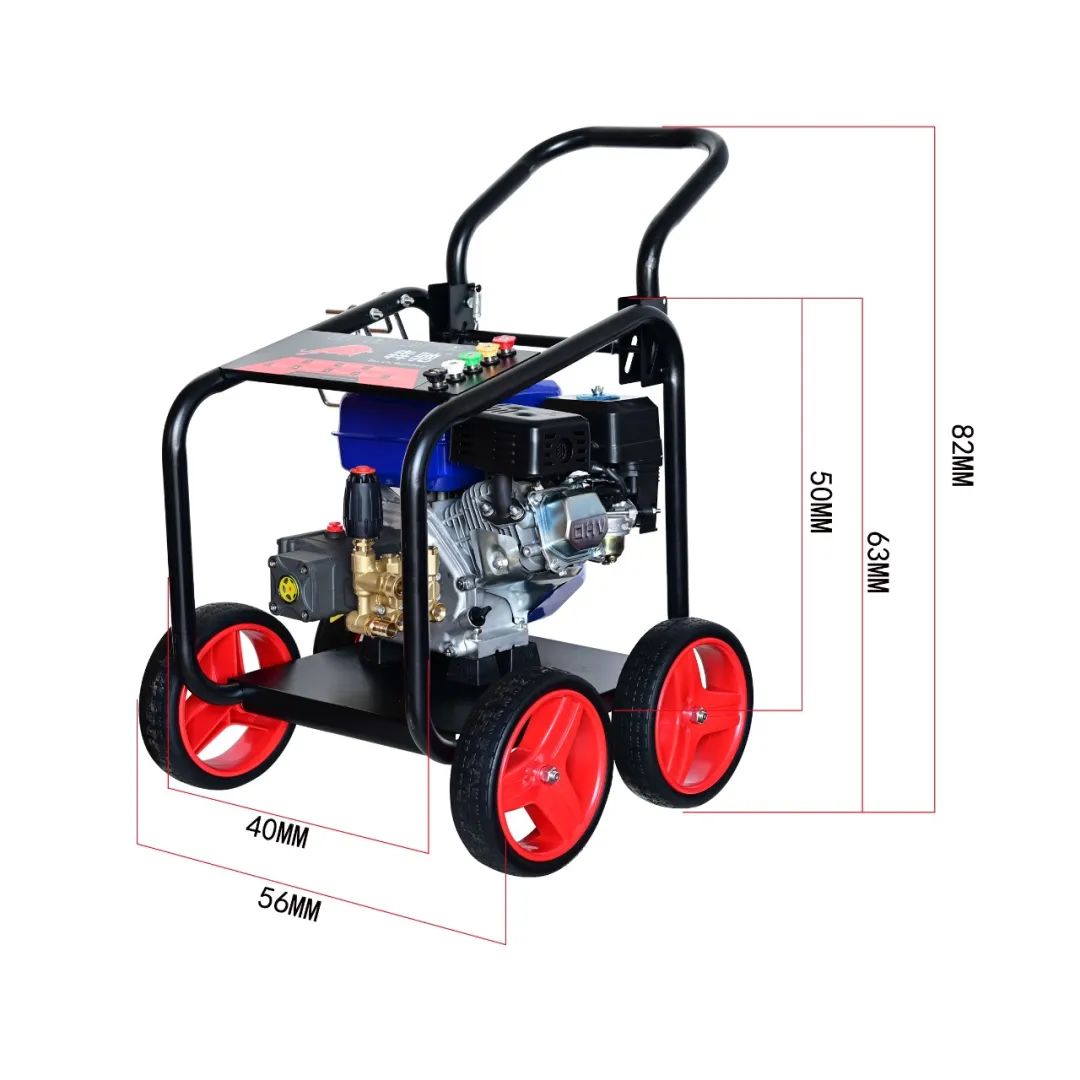
The motor is the heaviest and most expensive component of any corded car washer. Manufacturers typically offer two variants:
- Universal (Brushed) Motors: Lower cost and lighter weight, but inherently louder with a shorter operational lifespan (typically 200 to 300 hours). Factories often use aluminum windings instead of copper to cut costs, which drastically increases operating temperatures and burnout rates. Always specify 100 percent copper windings.
- Induction (Brushless) Motors: Considerably heavier and more expensive, but they run quieter, cooler, and easily exceed 1,000 hours of operation. These are mandatory for premium or commercial-grade product lines.
Pump Architecture
The pump dictates the actual water pressure and flow rate. The architecture you choose directly impacts the unit's retail price point and durability.
| Pump Architecture | Typical Lifespan | Target Market Segment |
|---|---|---|
| Wobble Plate | 200 to 300 hours | Entry-level consumer |
| Axial Cam | 500 to 800 hours | Prosumer / Mid-tier |
| Triplex Plunger | 3,000+ hours | Commercial / Heavy-duty |
Struggling to verify supplier specifications? Let us audit the factory's engineering capabilities and component sourcing.
Talk to our teamManufacturing Quality and Inspection Points
A common trap in sourcing car washers is accepting "Max PSI" (peak pressure at initial startup) as the operational standard. Serious buyers must specify and test for "Rated PSI" (working pressure) and continuous flow rate (LPM or GPM).
Failures in car washers rarely happen in the motor first; they happen in the seals. Micro-leaks in the high-pressure hose connections, degraded O-rings, or poorly molded plastic water inlets are the leading causes of warranty claims. Implementing rigorous Quality Control & Inspection protocols before shipment is non-negotiable.
Critical Pre-Shipment Inspection Points
- Continuous duty-cycle testing (running the unit for 2+ hours to monitor thermal cutoff sensors).
- Pressure drop testing to verify the rated PSI matches the specified flow rate.
- Tear-down inspections to verify copper motor windings and specified pump materials (e.g., brass heads over aluminum).
- Water ingress testing to ensure IPX5 or IPX6 compliance on all electrical housings.
Furthermore, electrical safety is paramount. Units destined for North America or Europe require strict adherence to UL, ETL, or CE standards. Partnering with a team that manages Compliance & Testing ensures your shipments won't be held up at customs or face retail recalls due to uncertified electrical components.
MOQs, Lead Times, and Pricing Drivers
Pricing for car washers is highly volatile and tied directly to the global cost of copper, aluminum, and (for cordless models) lithium-ion battery cells.
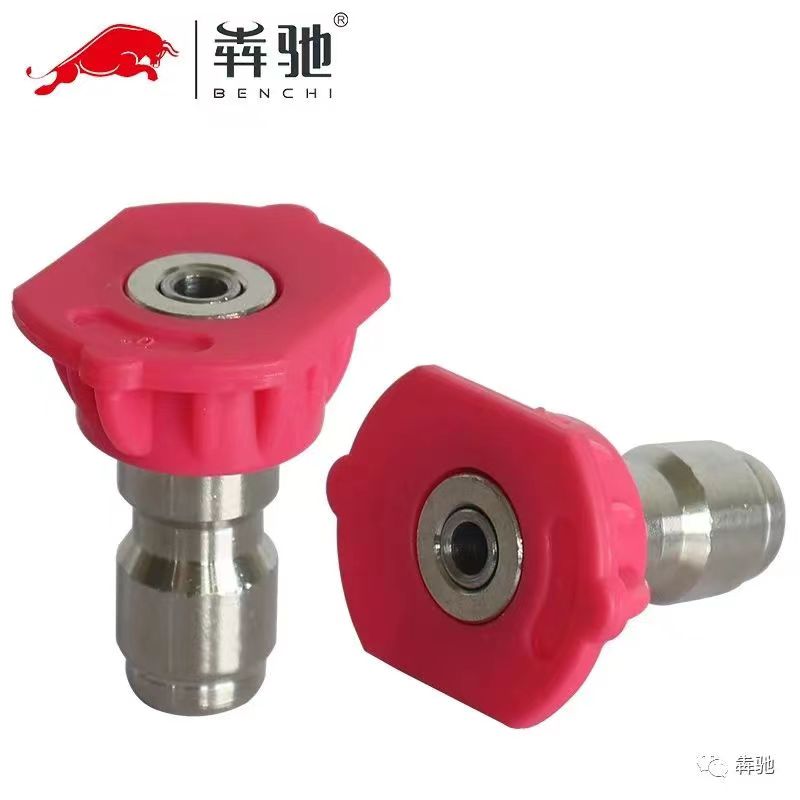
If you are leveraging OEM/ODM Services for custom housing colors, molded logos, or bespoke nozzle configurations, expect higher minimum order quantities. Standard white-label units can often be secured at lower volumes, provided you accept the factory's existing molds.
Ready to negotiate better terms and secure reliable production capacity for your next order?
Get a free consultationBuyer FAQ
Sourcing car washers profitably requires looking past the factory floor price and calculating the total cost of ownership—including the cost of returns for blown seals and burnt motors. By tightly controlling your component BOM and enforcing strict in-line inspections, you can build a highly profitable product line that stands up to real-world use.
Get Sourcing Help for Car Washers
Tell us your requirements and our experts will connect you with verified manufacturers.